How to Get to Doi Suthep: Chiang Mai’s Sacred Mountain Temple Guide
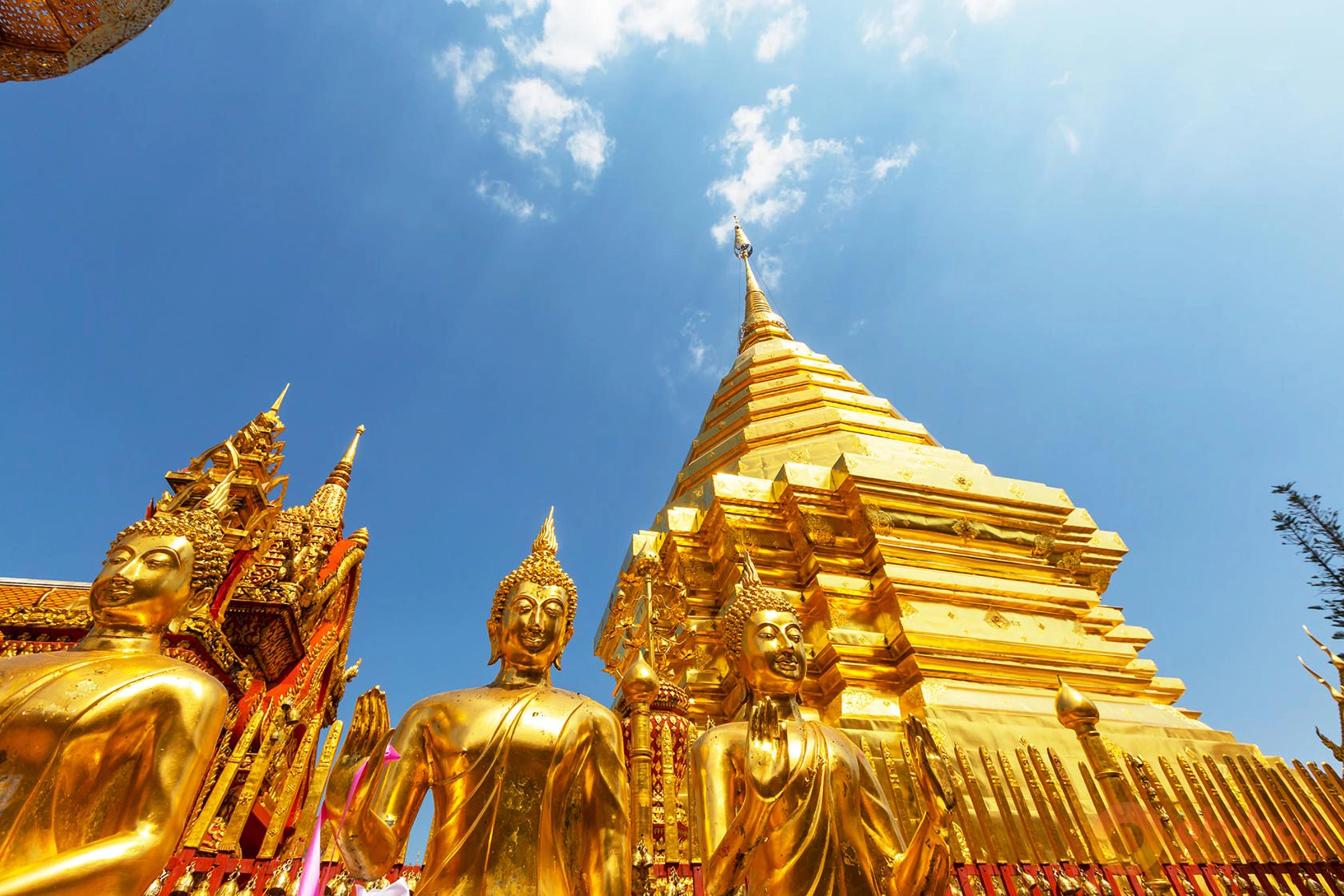
Doi Suthep is more than just Chiang Mai’s most famous mountain. It is the cultural and spiritual heart of Northern Thailand. Rising over 1,000 meters above sea level within Doi Suthep-Pui National Park, this lush peak is home to scenic viewpoints, hidden jungle temples, and the magnificent Wat Phra That Doi Suthep, whose shimmering golden chedi has dominated the city’s skyline for over 600 years.
However, treating Doi Suthep as just a quick “checklist” photo stop misses the true magic of the mountain. From a hidden jungle sanctuary nestled halfway up the peak to the dramatic transformation between daylight vistas and nocturnal tranquility, here is your insider guide to making the most of Chiang Mai’s most iconic drive.
While traveling on your own via public transport is popular, many travelers prefer to join a Doi Suthep tour to skip the winding drive, include nearby spots like Wat Pha Lat, and enjoy expert local insights.
The Secret Hidden Gem: Wat Pha Lat (The Temple in the Jungle)
What turns a simple trip up the mountain into a truly unforgettable journey is stopping halfway at Wat Pha Lat (Wat Palad).
Hidden inside the lush rainforest near a natural waterfall, Wat Pha Lat was originally built as a resting spot for pilgrims walking up to Doi Suthep on foot. Unlike the grand, gilded grandeur of the summit, Wat Pha Lat feels otherworldly:
- Moss-covered stone dragons and ancient stupas emerging from the jungle greenery.
- Streams cascading past wooden meditation halls.
- A peaceful, uncrowded atmosphere with sweeping, framed views of the valley below through the trees.
Stopping here bridges the gap between raw nature and Northern Thai spirituality, making the route up Doi Suthep feel infinitely more rewarding than just driving straight to the top.
Day vs. Night: Choosing Your Ideal Doi Suthep Experience
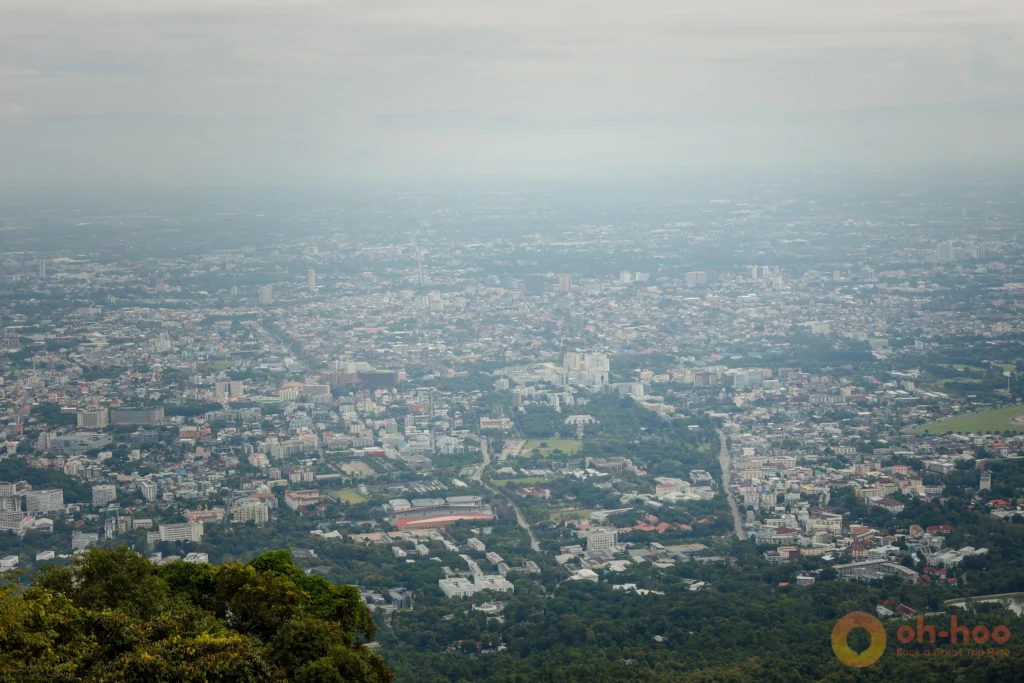
One of the biggest dilemmas for travelers is deciding when to make the ascent. The mountain offers two completely distinct atmospheres depending on the hour:
The Daytime Experience (Panoramas & Golden Glow)
- The View: Sunlight reveals the vast blue grid of Chiang Mai city, the Ping River valley, and the surrounding mountain contours stretching to the horizon.
- The Atmosphere: Energetic and vibrant. Monk chants resonate around the courtyard, and sunlight reflects off the intricate gold foliage of the central chedi.
- Best For: Photography, combining with nearby hilltop communities, and traditional daytime temple visits.
The Nighttime Experience (City Lights & Sacred Silence)
- The View: As dusk falls, Chiang Mai transforms into a glowing blanket of golden city lights far below.
- The Atmosphere: Quiet, serene, and magical. Day-trip crowds vanish by 6:00 PM, leaving the cool mountain air filled only with the sound of evening prayers and night insects.
- Best For: Couples, night photography, escaping the tropical daytime heat, and spiritual reflection.
Pro-Tip: If you want the ultimate evening experience that pairs Doi Suthep’s nighttime views with Chiang Mai’s famous subterranean forest temple, look into the Wat Umong and Doi Suthep At Night Tour From Chiang Mai.

Navigating the Mountain: The “Rod Daeng” (Red Truck) Experience
Chiang Mai’s iconic red open-air pickup trucks, known locally as Rod Daeng (รถแดง), are the primary mode of public transit up the mountain.
What You Need to Know Before Catching One:
- Boarding Hubs: Shared Red Trucks wait for passengers near the Chiang Mai Zoo entrance or the Huay Kaew Road intersection. They typically depart once filled (8–10 passengers).
- Mountain Curves & Motion Sickness: The road to Doi Suthep features over 300 winding curves and steep inclines. If you are prone to motion sickness, sit near the open back of the truck for fresh air or opt for an air-conditioned private vehicle.
- Pricing Nuances: Fixed public rates apply for shared trucks, but always negotiate and agree on the fare before getting on, especially if you plan to hire a private truck or add extra stops like Wat Pha Lat and nearby hill-tribe villages.
Tip: If navigating 300+ sharp curves on a shared truck sounds stressful, joining a guided Doi Suthep tour with private transfers is often the most comfortable option.
Reaching the Summit: Staircase vs. Cable Car
Once you arrive at the base of Wat Phra That Doi Suthep, you have two choices for making the final vertical climb to the temple courtyard:
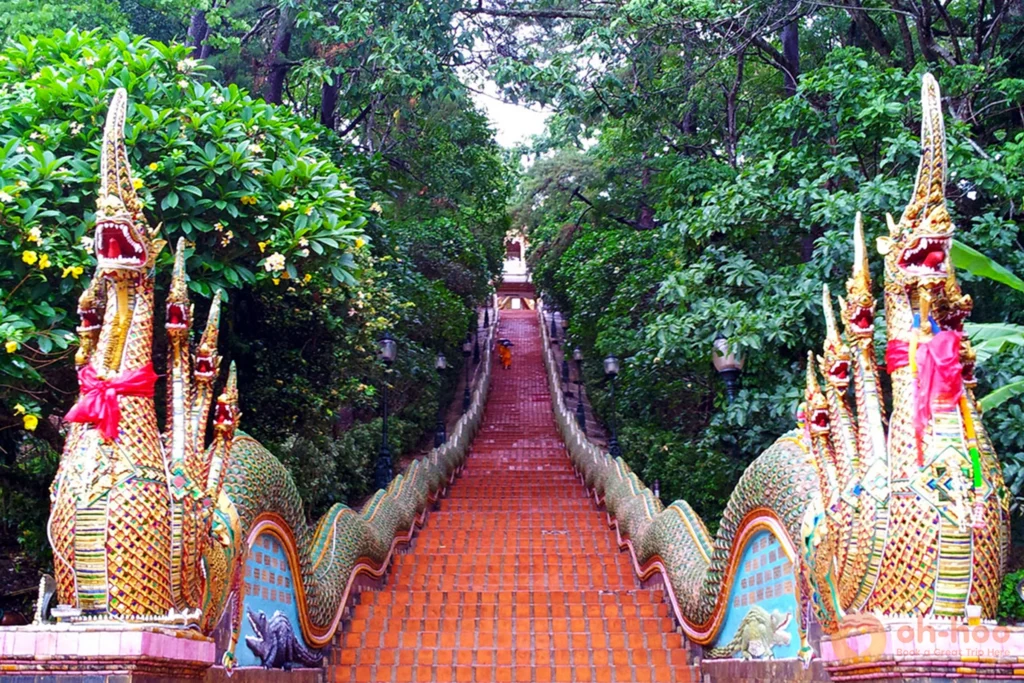
- The Naga Serpent Staircase: A famous 306-step climb flanked by mosaic-tiled dragon bodies stretching all the way to the top. It is a scenic, rewarding walk under the shade of massive pine trees.
- The Funicular Cable Car: For visitors traveling with elderly family members or young children, an enclosed funicular elevator operates near the entrance, whisking guests to the top in under two minutes for a nominal fee.
FAQ
To reach the upper temple terrace, you can climb the iconic 306-step Naga Serpent Staircase. For visitors with mobility concerns, a cable car / funicular elevator is available near the entrance for a small fee.
Dress Code: Shoulders and knees must be covered for both men and women.
Footwear: Wear slip-on shoes for easy removal before entering the main sanctuary courtyards.
Extending Your Mountain Itinerary
Combine your Doi Suthep trip with a visit to the Hmong village deeper in the mountains.
Book the Doi Suthep Temple Tour with Hmong Village – Experience seamless round-trip transport from the city, guided access to Wat Phra That Doi Suthep, and an authentic look into traditional hill-tribe agriculture and coffee culture at Baan Hmong Doi Pui.
(Looking for another high-altitude mountain escape in Northern Thailand? Read our complete field guide on the Doi Inthanon National Park Tour: Best Day Trip to Thailand’s Highest Peak from Chiang Mai to plan your ultimate alpine day trip).