Is Chiang Mai Worth Visiting? Best Things to Do in 3 Days

Yes – and the question of whether Chiang Mai is worth visiting usually resolves itself the moment you know what the city is for. It is Thailand’s cultural and mountain capital: three hundred temples inside a square moat, jungle and waterfalls half an hour from the centre, the best food in the north, and prices noticeably below Bangkok or the islands.
What it is not is a beach. If your ideal Thailand is sand, boats and late nights, three days here will feel like a detour. If you want temples, mountains, markets and a city you can actually walk across, it is the best-value stop in the country.
What Makes Chiang Mai Different from Bangkok and the Islands
All three are Thailand, and they share almost nothing else.
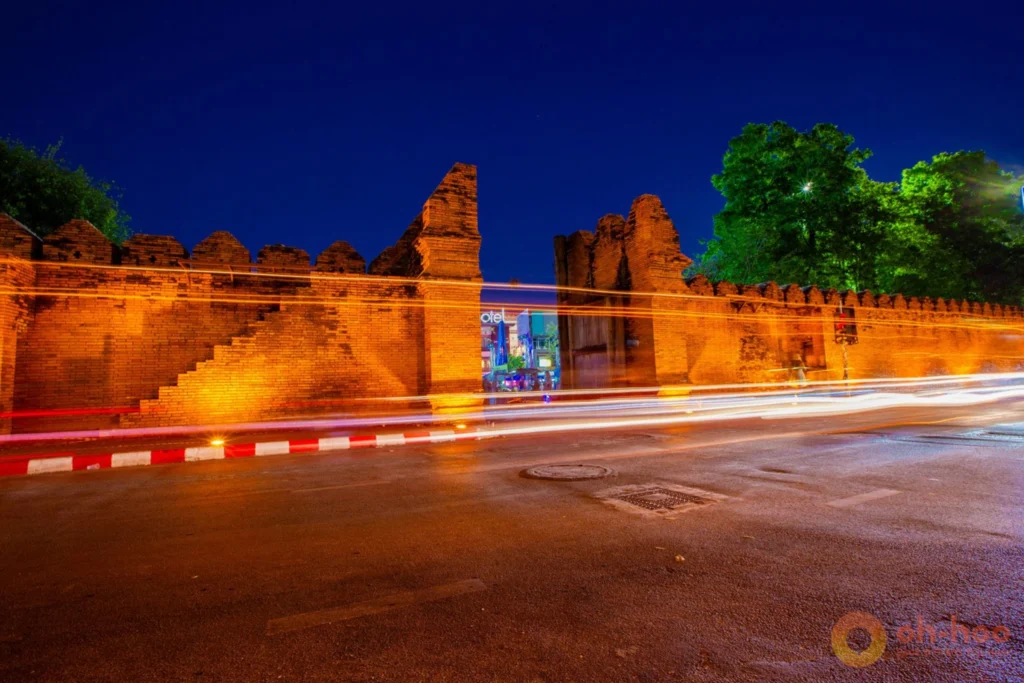
- Distance & Scale: Chiang Mai is compact and easy to navigate—the old city is a walkable square, and the airport is just 10 minutes away, unlike Bangkok, where traveling across town can take an hour or more.
- Pace: Life here moves at a slower rhythm, centered around relaxed cafes, local markets, and quiet evenings rather than late-night party scenes or high-energy nightlife.
- Atmosphere & Weather: Located in the northern mountains, it enjoys cooler, drier weather, with pleasant, crisp evenings from November through February.
- Nature: Instead of beaches or islands, the city is surrounded by mountains, waterfalls, national parks, and lush forests—all within easy day-trip distance.
Who Chiang Mai Suits (and Who It Doesn’t)
This is the part most guides skip, and it is the part that actually answers the question.
You Will Like It If
- You are interested in temples, history and craft. Nowhere else in Thailand concentrates this much of it in a walkable area.
- You want mountains, waterfalls and forests without a long journey to reach them.
- You are travelling with children. It is calm, compact, cheap, and full of things to do that are not a beach.
- Your budget matters. Chiang Mai stretches money further than anywhere else on a standard Thailand itinerary.
- You like eating. Northern Thai food is its own cuisine, and the night markets are the reason many people extend their stay.
You Might Prefer Elsewhere If
- You came to the sea. Chiang Mai is roughly 700 kilometres from the nearest coast, and no day trip fixes that.
- You want island nightlife. There are good bars and live music, but the city is asleep well before Patong gets going.
- You only have a week in Thailand. Adding Chiang Mai means a flight and two travel days, which is a lot from seven.
- You are travelling in the burning season. More on this below – it is a real consideration, not a minor one.
Day 1 – Old City Temples and the Tuk Tuk Route
Start inside the walls. The old city is where Chiang Mai makes its case, and one well-planned half day covers more of it than two days of wandering.
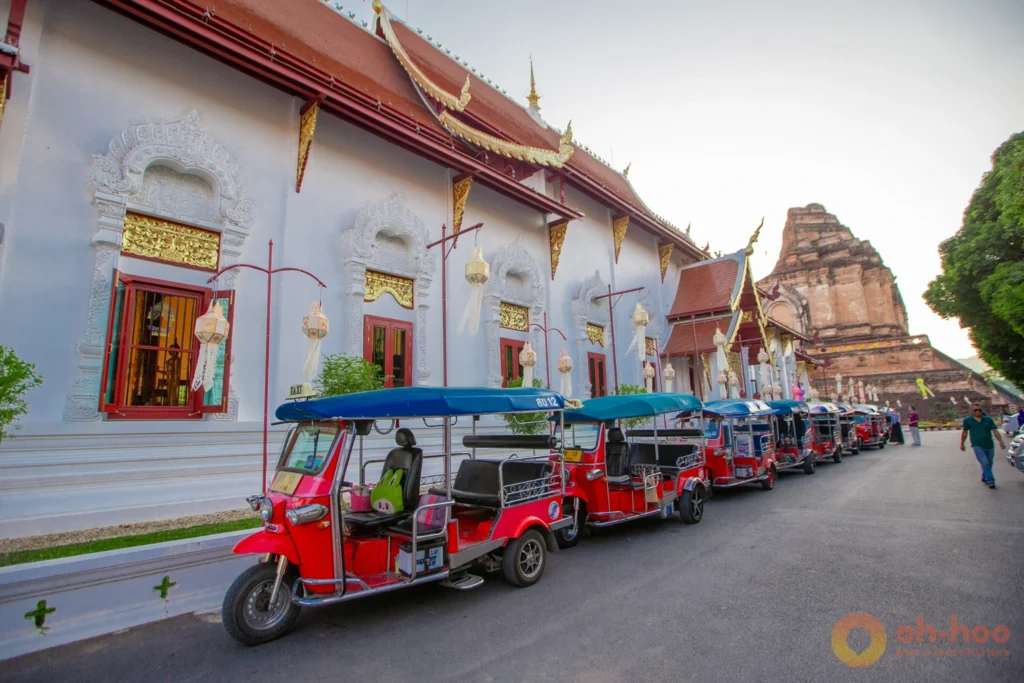
The classic circuit runs from Tha Phae Gate – the restored eastern gate on the moat, and the city’s natural starting point – to Wat Chedi Luang, whose enormous ruined pagoda is the most striking structure in the old city and was once the tallest building in the kingdom. From there it is a short hop to the Three Kings Monument and the museums around it, then to Wat Sri Suphan, the silver temple, whose exterior is worked entirely in embossed metal and is best seen in bright sun. Wat Phra Singh, at the western end, is the one most people photograph.
You could walk it. Most people should not, at least not in April. The stops are spread across the full width of the walls, the middle of the day is hot, and walking turns a comfortable half day into an endurance exercise with two temples cut from the end.
Why the Tuk Tuk Version Works
A tuk tuk solves the specific problem of this itinerary: the distances between stops are too long to walk comfortably and too short to be worth arranging taxis for. You cover the same route in half the time, arrive at each temple with energy left, and get the open-sided ride between them that is half the pleasure of the thing.
The half-day private tour covers 7 key spots, including iconic temples, the Three Kings Monument, and Warorot Market, with temple fees and private hotel pickup included.
The Chiang Mai Private Tuk Tuk Tour – Half Day Old City Adventure is ideal for first-timers, though our day-by-day guide makes it easy to explore independently.
One thing to sort out before you set off: every temple on this route has a dress code, and it is enforced politely but consistently. Shoulders and knees covered for everyone, shoes off at the entrance to the main halls, and a sarong to borrow or buy at the gate if you turn up in shorts. Wearing something light with sleeves from the start saves you queueing for a wrap at every stop in the heat.
Whatever you choose, keep the evening free. The Sunday Walking Street on Ratchadamnoen Road, if your dates line up, is the best market in the city and closes the road through the middle of the old town.
Day 2 – Mountains: Doi Suthep or Doi Inthanon
Day two goes up. Two mountains dominate the options, and they are not interchangeable.
Doi Suthep – The Half Day
Wat Phra That Doi Suthep sits on the mountain directly above the city, about forty minutes up a winding road, and it is the single most recognisable sight in northern Thailand: a golden chedi at the top of a 300-step naga staircase, with the whole Chiang Mai valley spread out below.
It is a half-day trip, which means you can pair it with something else, and it works even on a tight schedule. Our guide to reaching the temple covers the transport options, and the usual afternoon pairing is the Sticky Waterfall, a limestone cascade an hour north that you can climb up barefoot.
Doi Inthanon – The Full Day
Thailand’s highest mountain is a national park about two and a half hours southwest, and it is a completely different day: cloud forest, waterfalls, the twin royal pagodas, a nature trail along the summit ridge, and temperatures that can drop into single figures in winter. It takes the whole day, and it is worth the whole day. The Doi Inthanon guide goes into the park in detail, including how to cover the five hours of driving the day involves.
Pack for cooler weather and uneven steps bring a light layer, closed shoes, and covered shoulders. On a first visit or a 3-day trip, choose Doi Suthep to save the afternoon for other activities; for a longer stay or if you have already seen Doi Suthep, pick Doi Inthanon for a full day.
Day 3 – Adventure and Markets
The last day splits neatly into daylight and dark.
In the morning: Experience Chiang Mai’s canopy parks with a zipline tour through the jungle. It’s an unexpected highlight for many check our Chiang Mai zipline guide to compare parks, course lengths, and inclusions.
Elephant Sanctuaries: Another popular day-3 option. Choose observation-only sanctuaries over ride providers, and research the operator’s actual animal welfare practices beforehand.
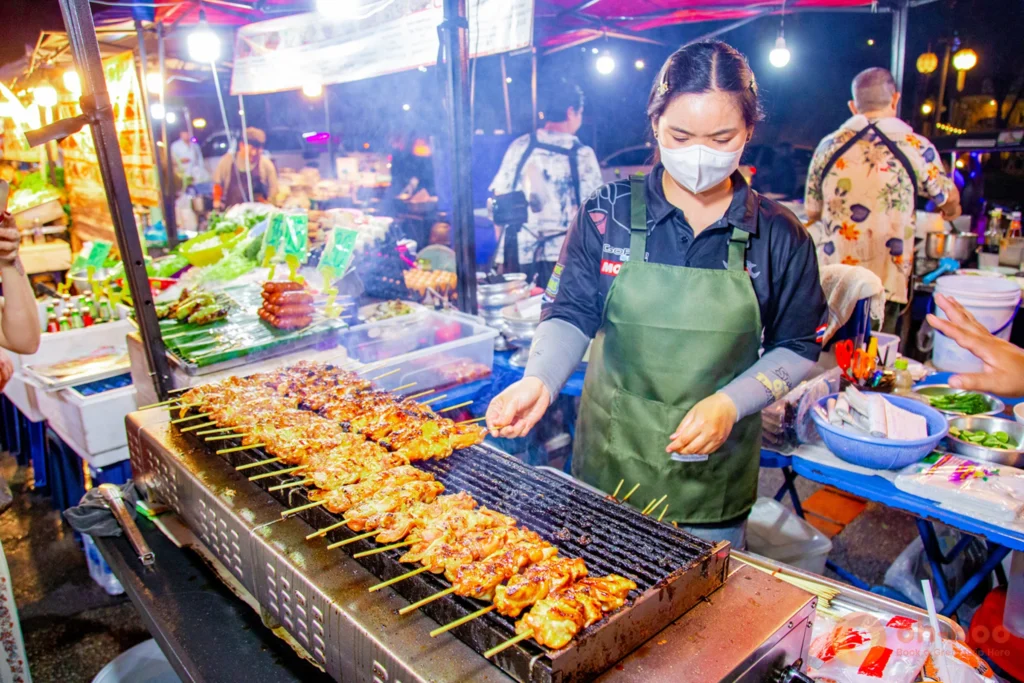
In the evening: Explore the night markets. The Night Bazaar on Chang Klan Road runs daily and is the largest. The Saturday (Wua Lai Rd) and Sunday (Old City) Walking Streets offer a livelier, more local feel. Pro tip: Treat them as dinner first, shopping second—the food stalls are the main event.
Best Time to Visit
Chiang Mai has three seasons, and they are not equal. Being honest about this matters more here than in most Thai destinations.
- November to February – the best months. Dry, clear, warm days and cool evenings, and the mountains at their most comfortable. This is also when the city is busiest, and rooms cost the most. Late November brings the Yi Peng lantern festival, when thousands of paper lanterns are released, and the old city fills – worth planning a trip around, and worth booking early if you do.
- March to April – the burning season. Agricultural burning across the north fills the valley with smoke, and air quality in Chiang Mai regularly ranks among the worst in the world during these weeks. Views disappear, the mountains are hazy, and anyone with asthma or young children should think carefully. It is the one period we would steer people away from.
- May to October – the green season. Rain comes in heavy afternoon bursts rather than all day, the countryside turns spectacular, waterfalls actually flow, and prices drop. Mornings are usually clear. For value and scenery, this is an underrated window.
If your dates are fixed and they fall in March or April, the trip is still doable – the temples, markets, and food are unaffected. It is the mountain views that suffer, so weight the itinerary towards the city.
How Many Days Is Enough?
- Three days is the right answer for most first visits, and the itinerary above is built for exactly that: one day in the old city, one in the mountains, one split between adventure and markets. It covers the things people come for without any day feeling rushed.
- Five days changes what is possible rather than just adding more of the same. With five, you can do both mountains instead of choosing, add a cooking class or an elephant sanctuary, take the day trip north to Chiang Rai, and still keep an afternoon free to do nothing in a cafe – which is, for a lot of people, the most Chiang Mai thing available.
- Two days is tight but not pointless. Do the old city and Doi Suthep, skip the rest, and accept that you are sampling rather than visiting.
FAQ
Yes, and three days is the length this city is best suited to. It is enough for the old city temples, one mountain, and a night market without rushing, which covers what almost everyone comes for.
They are not competing. Bangkok is the bigger, faster city for nightlife, shopping, and river life; Chiang Mai is smaller, cheaper, and greener, with temples and mountains close together. Most itineraries are better for having both.
November to February, for dry days and cool evenings. Avoid March and April if you can – agricultural burning fills the valley with smoke and the mountain views disappear.
The old city is easy to do independently, and plenty of people do. Where a tour earns its keep is the distance between temples in the heat and the mountain trips, where driving is the hard part of the day.
The City That Changes Itineraries
Chiang Mai is the stop people add reluctantly and leave planning to return to. It rarely wins the argument in advance – it is not the beach, it is a flight from Bangkok, it costs a day of travel each way – and it almost always wins it afterwards, because three days of temples, mountains, markets and northern food turn out to be the part of the trip that felt like somewhere rather than everywhere.
If you are giving it three days, start inside the walls. The Chiang Mai Private Tuk Tuk Tour – Half Day Old City Adventure covers the old city’s temples and markets in a single morning with the fees and transfers handled, and leaves the rest of your first day free to work out how much longer you want to stay.