Is Ziplining in Phuket Safe? What First-Timers Should Know
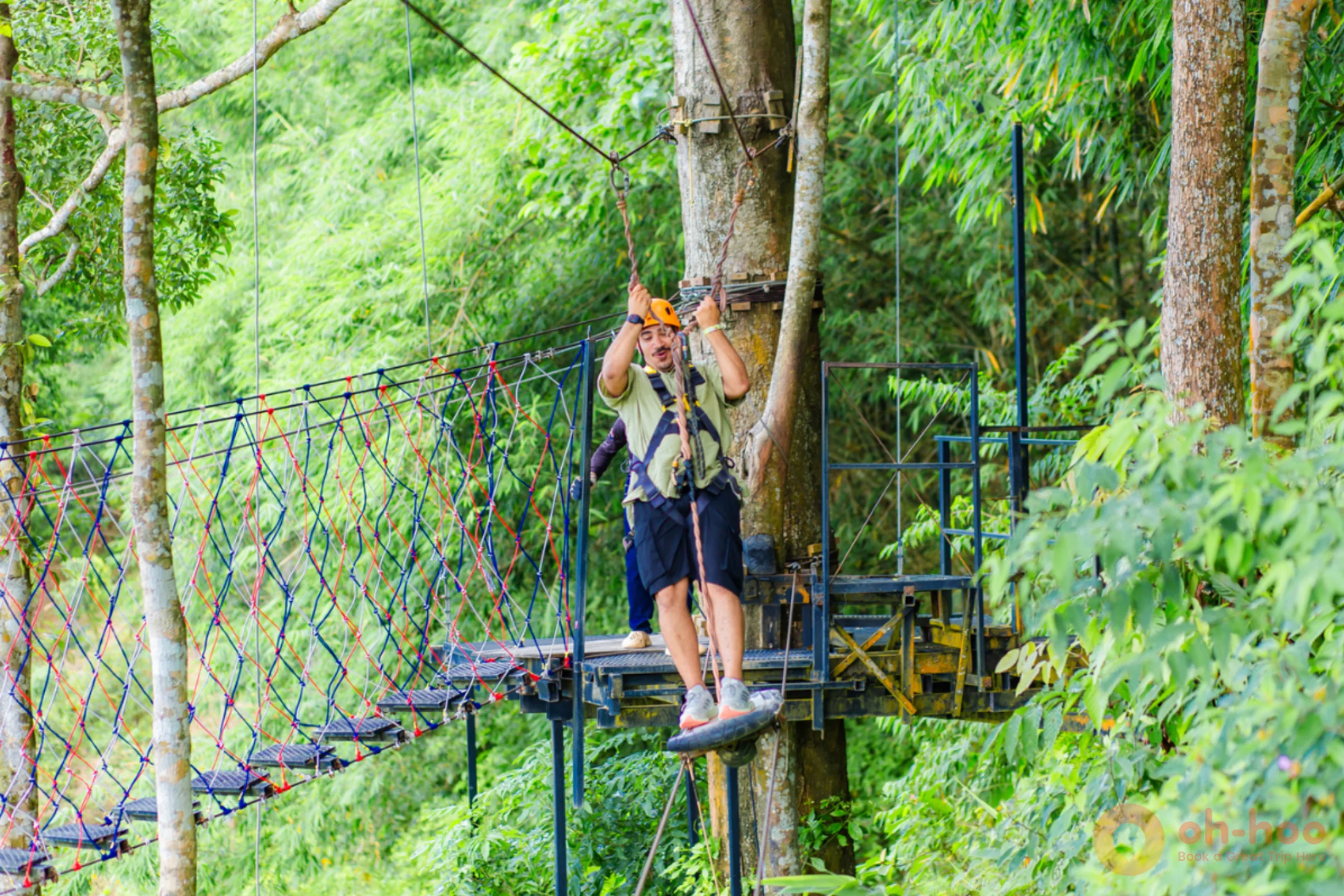
The question usually arrives the night before: you are about to step off a wooden platform thirty metres up, attached to a steel cable, in a country where you cannot read the safety signage. Wanting reassurance about that is not nerves. It is reasonable.
The honest answer has two halves. Ziplining as an activity is engineered so that no single failure can drop you – the redundancy is the whole design, and it is why the sport has the safety record it has. But “ziplining is safe” is an engineering statement, not about the particular course you are about to book. The variable is the operator.
This guide covers what the standards require, what the equipment does while you are clipped in, how to read an operator before you pay, and who should sit this one out. For what a Phuket course is like to ride, our Phuket zipline guide covers that side.
Safety Standards & Equipment Checks
Commercial ziplining is a regulated engineering discipline with published standards, not an improvised jungle attraction. Knowing the vocabulary is most of what you need.
The Standards Worth Recognising
Three names cover almost everything. EN 15567 is the European standard for ropes courses and zip lines, covering construction, equipment and operation. ERCA, the European Ropes Course Association, certifies instructors and inspects courses against it. ACCT, the Association for Challenge Course Technology, is the North American equivalent and the source of the ANSI-recognised standard used widely elsewhere.
A course built or audited to any of these follows a documented ruleset rather than an owner’s judgement. An operator naming one is a meaningful signal, and nobody naming any is also information.
Beyond physical gear and course engineering, recognized standards also dictate operational group sizing. Reputable operators strictly cap the number of guests per time slot or guide. Limiting group sizes ensures staff isn’t stretched thin, allowing instructors to conduct thorough individual safety checks and supervise every rider attentively without rushing through the course.
The Equipment, and Why It Is Redundant
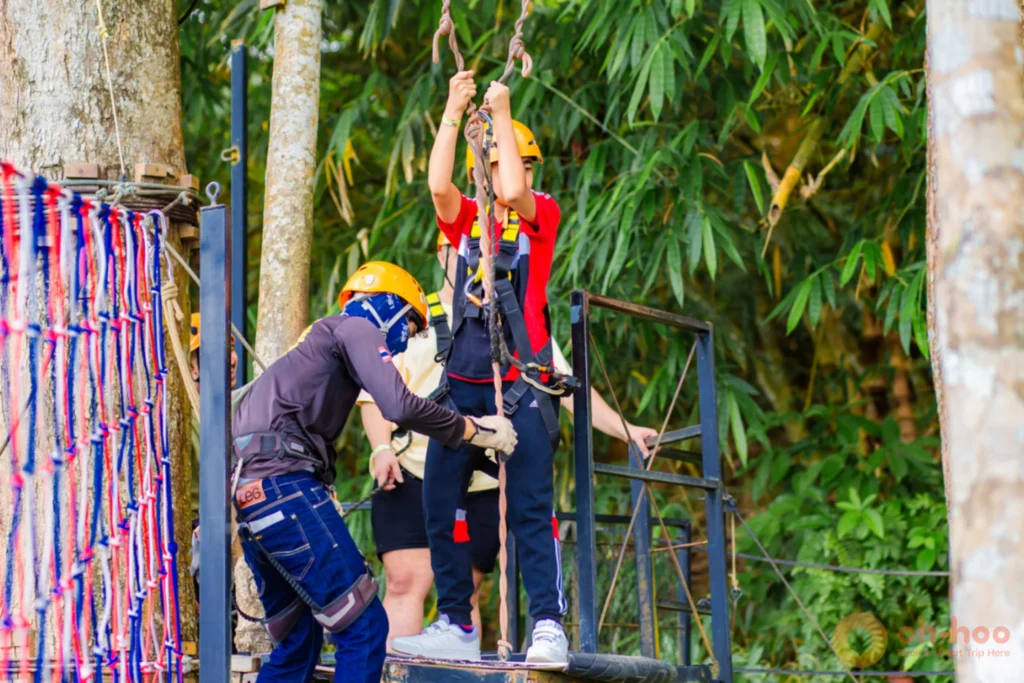
Every part of the system assumes another part might fail.
- A full-body harness rather than a waist belt, spreading load across torso, shoulders, and legs, and keeping you upright if you let go.
- Two attachment points at all times. Modern courses use a continuous or “smart” belay: paired carabiners magnetically interlocked so that opening one automatically locks the other. Physically disconnecting yourself from the course becomes impossible, which matters because the transfer between lines – not the flight itself – is where human error historically occurred.
- Auto-locking carabiners, which cannot be left half-closed by a distracted hand.
- A trolley running on steel cable rated far above any load a person can apply, with a backup attachment in case the trolley fails.
- A helmet, for the platforms and the trees rather than the cable.
Read that list as one idea rather than five: at no point in the circuit does your safety depend on a single component, a single carabiner, or a single person remembering something.
How the Course Gets Checked
- Daily, before the first guests: a visual inspection of cables, harnesses, trolleys, and platforms by staff, logged.
- Periodically through the season: deeper mechanical checks of hardware, anchors, and wear points.
- Annually: a full audit by a certified third-party inspector, independent of the operator.
Harnesses and hardware are consumables with retirement dates, not permanent fixtures. A well-run course keeps records of all of this, and there is nothing odd about asking to see when it was last inspected.
How You Stop
Braking is the part first-timers never think about and then think about a great deal at the halfway point. Two systems exist: guide-controlled braking, where staff manage your arrival, and automatic magnetic braking, which slows you smoothly whatever your weight or your hands are doing, usually with an impact bumper as a final backstop.
Neither is unsafe, but automatic braking takes the timing away from a human being – which makes it the better answer for nervous first-timers and for anyone riding with children. Worth asking before you book.
Never Touch the Moving Cable: Regardless of the braking system, never attempt to touch or grab the zipline cable with your bare hands while moving. Fast friction can cause severe injuries. Always hold onto the approved handles or harness equipment as instructed during your safety briefing.
What to Look For in a Reputable Operator
- A named standard or a stated annual inspection. Specific beats vague – “inspected annually to EN 15567” tells you more than a page of the word “safety”.
- A continuous or smart belay system. If the course still relies on riders manually moving their own carabiners between lines, the margin depends on attention rather than design.
- A proper briefing and a practice line. Good courses put everybody down a low, short line first. An operator that walks you straight onto the high circuit is saving fifteen minutes at your expense.
- Published age, weight, and height limits. A park that states its limits publicly is a park that intends to enforce them – and limits exist because equipment is certified within a range.
- Guides who check every clip, visibly. You should see a second pair of hands on your harness at every transfer, every time, including when the group is running late.
- A stated rescue capability. Someone on site should be trained and equipped to retrieve a rider stranded mid-line, and to give first aid. Ask; the answer comes quickly at a good operation.
- Accident insurance included in the ticket, stated on the listing rather than implied.
- A weather policy. Courses should close for lightning and high winds, and an operator that has never cancelled a session is not a lucky one.
- Enforced footwear. Closed shoes only, no flip-flops, no exceptions – a small rule that reliably indicates whether the bigger ones are enforced.
- Reviews that mention the briefing and the staff, not only the view. Guests notice a well-run operation even when they cannot name what they noticed.
Who Should Think Twice
Most restrictions are about physics and the harness, not fitness. You do not need strength or experience to zipline – the system carries you. But a harness applies real force across the body, and braking involves a firm, sudden deceleration.
- Pregnancy. Effectively always excluded, and not worth debating with the desk.
- Heart conditions, high blood pressure, or recent surgery. The adrenaline is genuine, and the exertion on stairs and platforms is more than it looks.
- Back, neck, shoulder, or serious joint problems. The harness pulls hard at the hips and shoulders, and the stop at the end is abrupt.
- Outside the stated weight range, typically somewhere around 20 to 120 kilograms. These are equipment certification limits, not suggestions – braking is calibrated for a range, and this is not a rule to talk your way around.
- A cast, a recent fracture, or a fresh injury. Wait for the next trip.
- Anyone who has been drinking. Reputable courses refuse alcohol before riding, and the ones that do not are telling you something about the rest of their operation.
- Very young children, below the course’s stated minimum age. A published minimum reflects harness sizing, not caution for its own sake.
One group that usually should not opt out: people who are simply afraid of heights. That is the normal condition of the average first-timer the first line is designed for exactly that person, and guides handle it daily. Genuine vertigo or panic attacks are different and worth being honest with yourself about.
FAQ
As an activity, yes – the system is built so that no single component or person is the last line of defence. The variable is the operator, so choose one that states a safety standard, uses a continuous belay, briefs properly, and includes insurance.
A guide comes and gets you, which is a routine part of the job rather than an emergency. It happens most often to very light riders on long lines, and any competent operation trains and equips staff for mid-line retrieval.
None. You sit into a harness and are clipped on by staff. There is no climbing and no upper-body strength involved – the course is designed around complete beginners.
Closed shoes, always, plus clothes you can move in and tie back long hair. Leave loose items behind – phones and sunglasses go into a zipped pocket or stay in the locker, not in your hand.
Booking With Confidence
The short version: ziplining is safe by design, and your job as a customer is simply to pick an operator whose design is intact – real briefing, continuous belay, checked gear, trained staff, insurance included, and rules they actually apply.
Phuket Zipline Adventure Tour – Jungle Canopy & ATV Combo includes all safety equipment, trained staff, accident insurance, and hotel transfers, with a choice of course lengths so first-timers can start short.
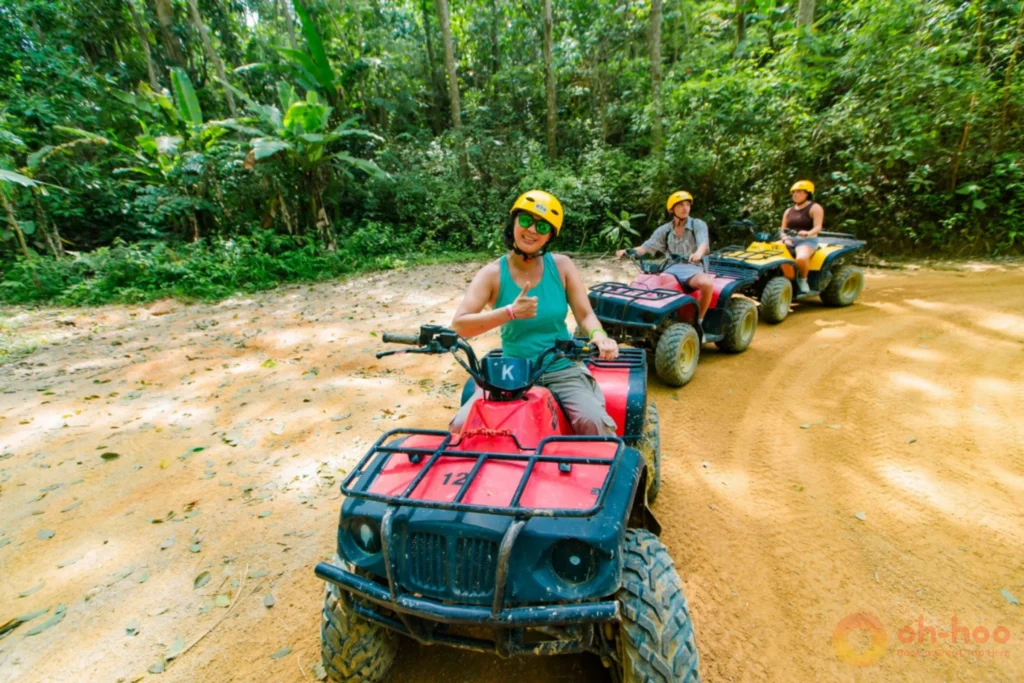
To split the day between the cable and the ground, ATV and Zipline by Phuket Paradise Trip pairs the two on the same terms. Either way: closed shoes, listen to the briefing, and let the first line do the convincing.