Best Thai Cooking Class in Phuket: Hands-On Culinary Experience & Market Tour
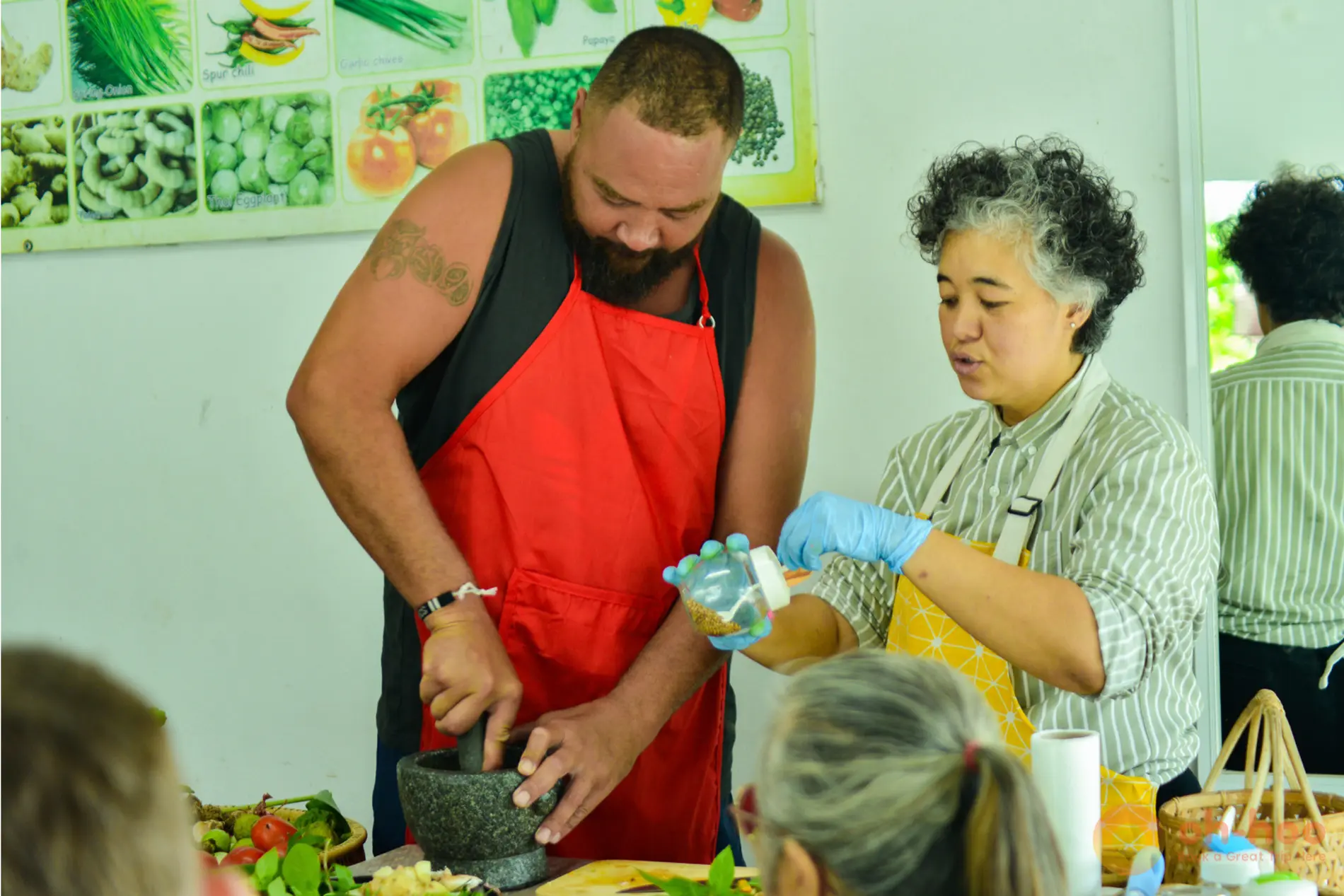
The best souvenir from Phuket doesn’t fit in a suitcase, it fits in a mortar and pestle, a wok, and the muscle memory of a chili paste you pounded yourself. A well-run Phuket cooking class starts before the stove, at a wet market where the day’s ingredients are picked out among galangal roots and Thai basil, and ends a few hours later with a plate of food you made from scratch and the confidence to cook it again at home. This guide covers what a hands-on class actually includes, who it works for, what to expect on the day, and how to pick the one that gives you the market visit, the part most travellers say they remember longest.
Thai food is globally celebrated for its unique identity, perfectly balancing sweet, sour, salty, and spicy flavors. A huge part of this culinary fame comes from Thai street food, which has earned a massive worldwide reputation, meaning you can always count on iconic staple dishes to absolutely blow your mind. What makes exploring Thai cuisine so exciting is that each region features an entirely different flavor profile and cooking base. If you travel from the north to the south, you will experience a whole new world of tastes. Speaking of intensity, Southern Thai cuisine stands out with its fiercely unique identity, driven by its legendary Southern curry paste. Rich in fresh turmeric, fiery chilies, and finely pounded local herbs, it delivers a sharp, aromatic, and unapologetically bold flavor that you simply cannot find anywhere else in the world.
Why Take a Cooking Class
Instead of just eating out, you can eat brilliantly in Phuket without ever holding a knife. So why book a cooking class in Phuket instead of another dinner? Three reasons keep coming back.
- The skills come home with you. Once you understand how a green curry paste actually gets built, the ratio of galangal to lemongrass, the depth of shrimp paste, and why the chilies go last, you can rebuild it in any kitchen in the world. That’s the difference between a memory and a habit.
- The cultural connection runs deeper. A market walk with a Thai chef teaches you why Thai food tastes the way it does: the balance of hot, sour, salty, and sweet is a philosophy, not a recipe. You start reading menus differently by the end of the day.
- It’s the perfect rainy-day plan. Phuket’s monsoon months (roughly May to October) can knock beach days off the schedule with an afternoon of downpour. A cooking class runs indoors, doesn’t care about the weather, and turns a lost afternoon into one of the trip’s highlights.
- Deep dive into the healing power of Thai herbs. Thai cuisine is famous not just for its taste but for its medicinal benefits. In a cooking class, you won’t just throw ingredients into a wok you will learn how daily herbs like lemongrass, galangal, turmeric, and kaffir lime leaves act as natural immunity boosters and digestive aids. You’ll leave with a wealth of knowledge on how to cook delicious meals that also support your well-being.
What a Typical Class Includes
Good classes follow a consistent rhythm: market, prep, cook, eat, but the quality of each stage is where operators separate themselves.
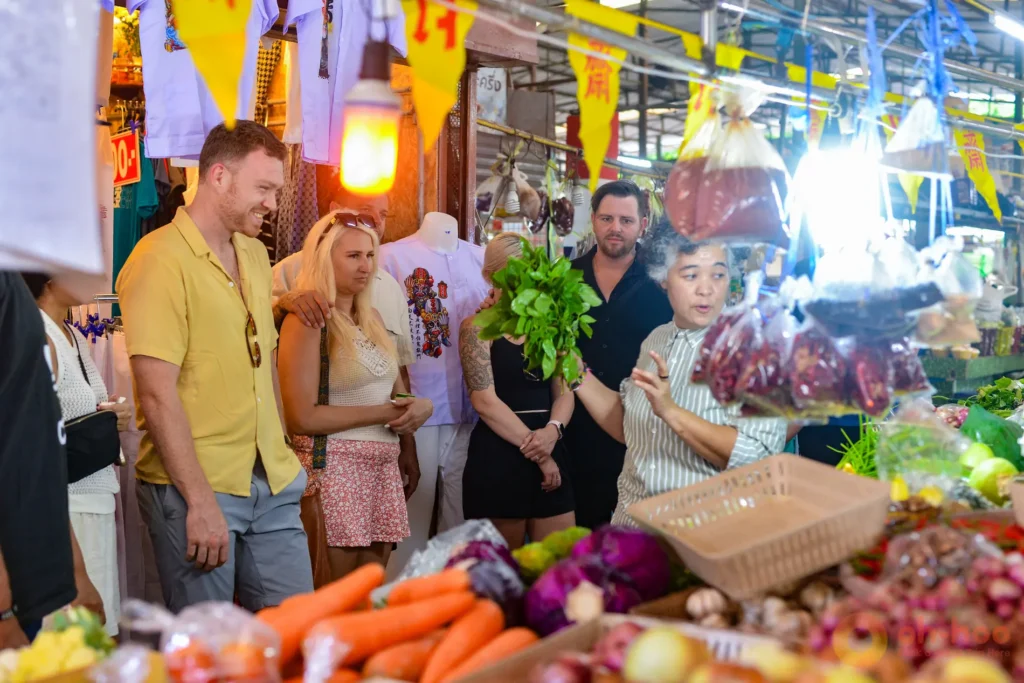
Local Market Visit
This is the part travellers underestimate on the booking page and rave about afterwards. A chef walks you through a working Phuket wet market, not a tourist stop, and introduces the ingredients most Thai kitchens can’t function without: kaffir lime leaves, holy basil versus Thai sweet basil, three kinds of galangal, palm sugar sold in discs the colour of caramel, tiny shrimp paste blocks wrapped in banana leaf. You smell, taste, and pick what you’ll cook with. By the time you leave, the shopping list you’d otherwise stare at in a foreign supermarket makes sense.
Dishes Usually Taught
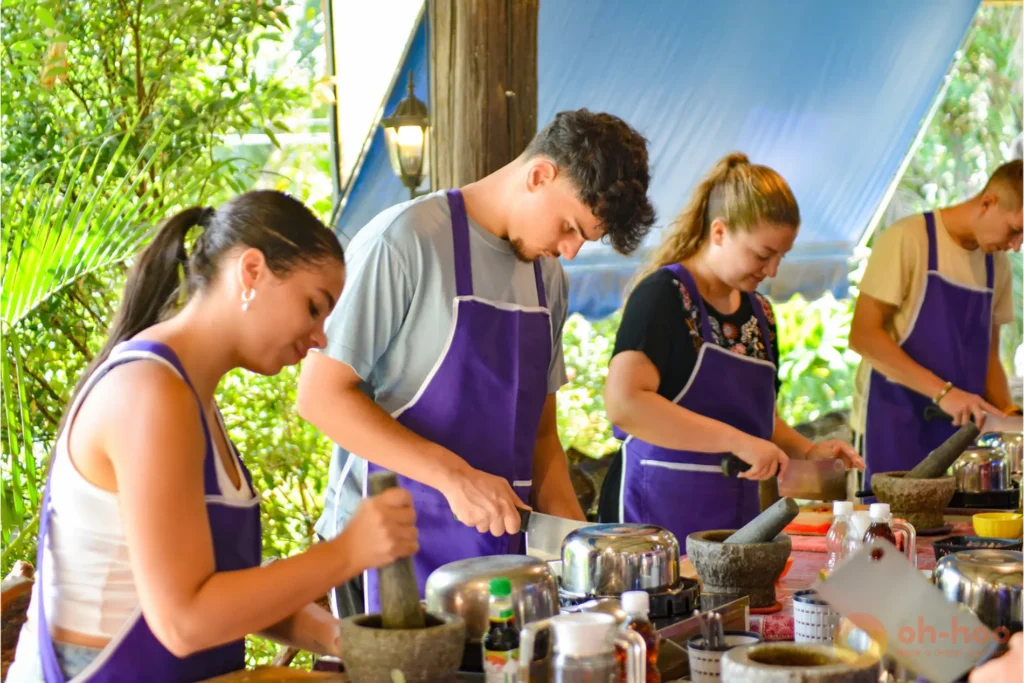
A typical menu covers three to five dishes across the course; the exact list varies by operator and by the day. Standard highlights include Pad Thai (with the tamarind sauce made from scratch, not squeezed from a bottle), Tom Yum Goong, a Thai green or red curry with a paste you’ll pound yourself in a granite mortar, and something sweet to close the class, usually mango sticky rice or coconut pancakes. Better classes let you swap one dish based on dietary needs or curiosity and ask about Massaman curry or a southern-Thai specialty if the standard menu skips them.
Hands-On vs. Demonstration-Style Classes
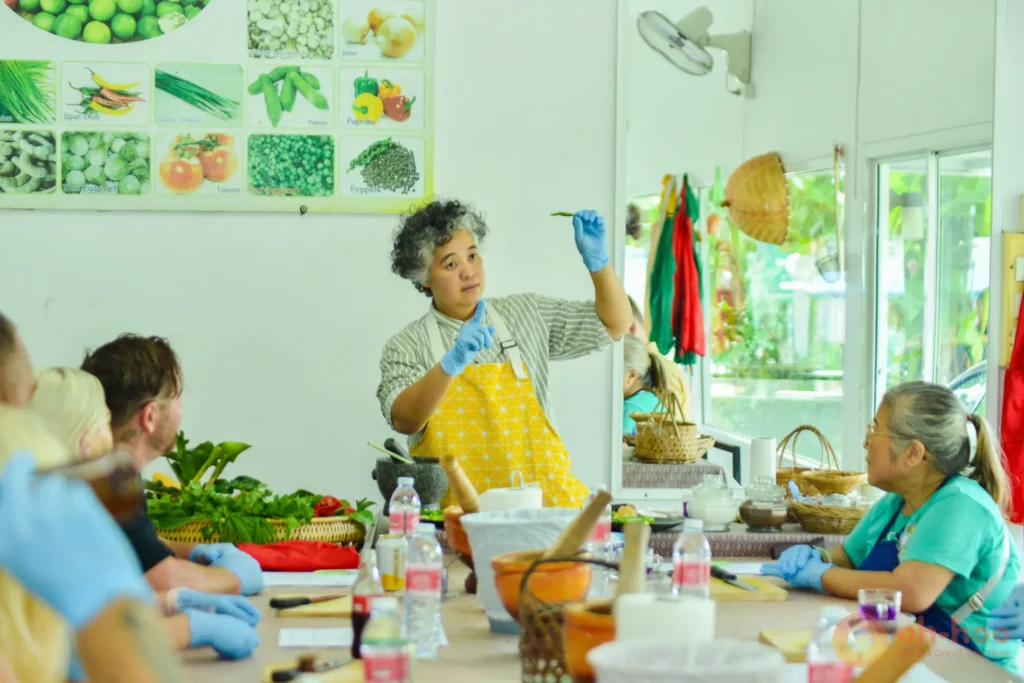
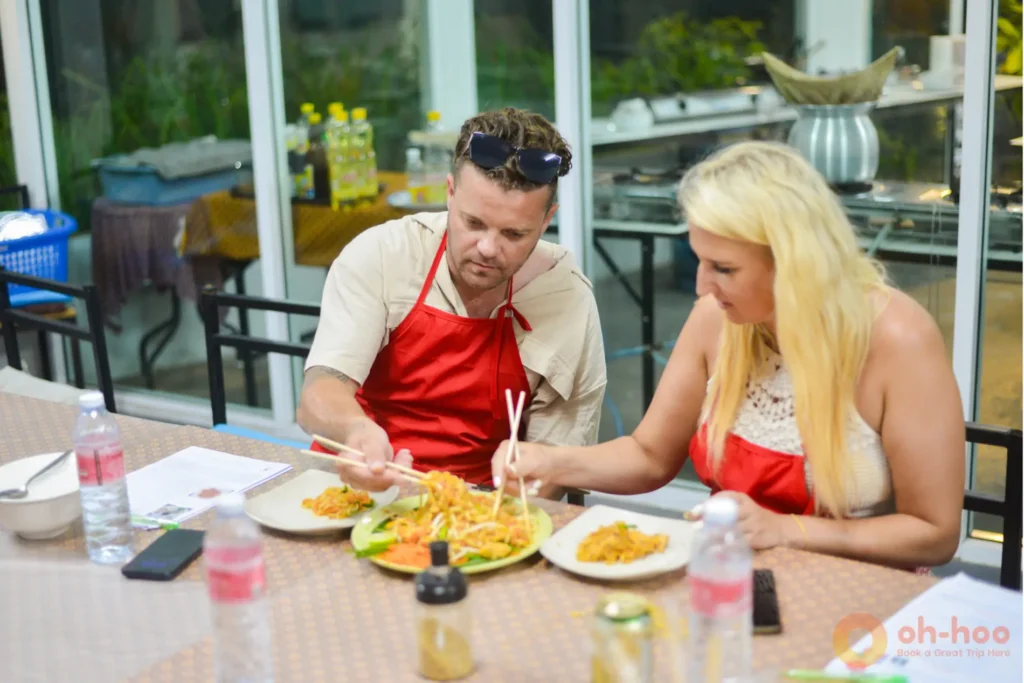
Not all Thai cooking classes Phuket operators offer are actually hands-on. Some run demonstration classes where you and the chef cook, watch, then eat. Fine for a night out, but you won’t leave with skills. A proper hands-on class gives every guest their own wok, burner, and prep station. You chop, pound, stir-fry, and plate everything yourself. If you’re going for the experience, this is the format worth booking.
Who It’s Good For
Cooking classes work for almost everyone, but the vibe varies with the group.
- Couples get a shared activity that’s genuinely different from another beach club, a small win for date-night variety.
- Solo travellers find it one of the easier ways to meet other travellers in Phuket, since small class sizes force natural conversation around the prep table.
- Families with older kids (roughly 10+) get hands-on activity that keeps teenagers off their phones for four hours, which is arguably the real value.
Dietary needs are usually easy to accommodate if you flag them at booking. Vegetarian and vegan menus swap fish sauce for soy or mushroom sauce and skip shrimp paste in curry pastes. Halal classes use halal-certified proteins and stock a real option in Phuket, given the island’s large Muslim community. Gluten-free and nut allergies are also manageable with advance notice. Always confirm when you book, not on the day.
What to Expect on the Day
A quality Phuket cooking class runs about 4.5 hours end to end, usually including round-trip hotel transfer, the market visit, and the cooking session itself. Morning classes typically start with a pickup around 9:00, hit the market first while the produce is freshest, then move to the kitchen; afternoon classes flip the sequence.
Group size matters more than most travellers realise. The best classes cap at around 12 guests so the chef can actually walk between stations and correct technique in real time. Larger groups drift toward demonstration territory even when they advertise as hands-on.
What you take home: a printed or digital recipe booklet with the exact dishes you cooked, notes on ingredient substitutions for your home country (most classes cover this at the end), and whatever leftovers you can’t finish on-site, usually packed to go. Wear something you don’t mind splashing curry paste onto, closed shoes for the market walk, and come genuinely hungry. You’ll eat everything you cook.
FAQ
For most food-curious travellers, yes. It’s typically the highest-rated non-beach activity in Phuket trip reviews, largely because the market visit turns it into a cultural experience rather than just a meal.
No. Classes are designed for complete beginners. If you can chop vegetables and follow instructions, you’ll finish the day with restaurant-quality dishes you made yourself. Experienced cooks still get value from the paste-pounding and market-selection knowledge.
Yes to both. Vegetarian, vegan, and halal menus are widely available if you flag them at booking. Phuket’s mixed Buddhist-Muslim population means most operators are used to accommodating dietary requirements, just don’t leave it to the day itself.
About 4.5 hours from hotel pickup to drop-off, including the market visit, the cooking session, and eating what you’ve made. Shorter demo-only classes exist, but skip the parts worth booking for.
Ready to Cook?
A Phuket cooking class is one of the few things you can do on the island that comes home with you: a real skill, a deeper feel for Thai food, and a story better than another sunset photo. If you’re ready to lock in a date, book the Phuket Easy Thai Cooking Class and Market Tour with Oh-hoo Travel. Small groups of no more than 12, a real wet-market walk with a Thai chef, hands-on wok time for every guest, round-trip hotel transfer, and vegetarian and halal menus available on request. Come hungry, you’ll leave full, with a recipe book in one hand and a new favourite dish in your head.