What Is Songkran? A Traditional Introduction to Songkran Festival Thailand
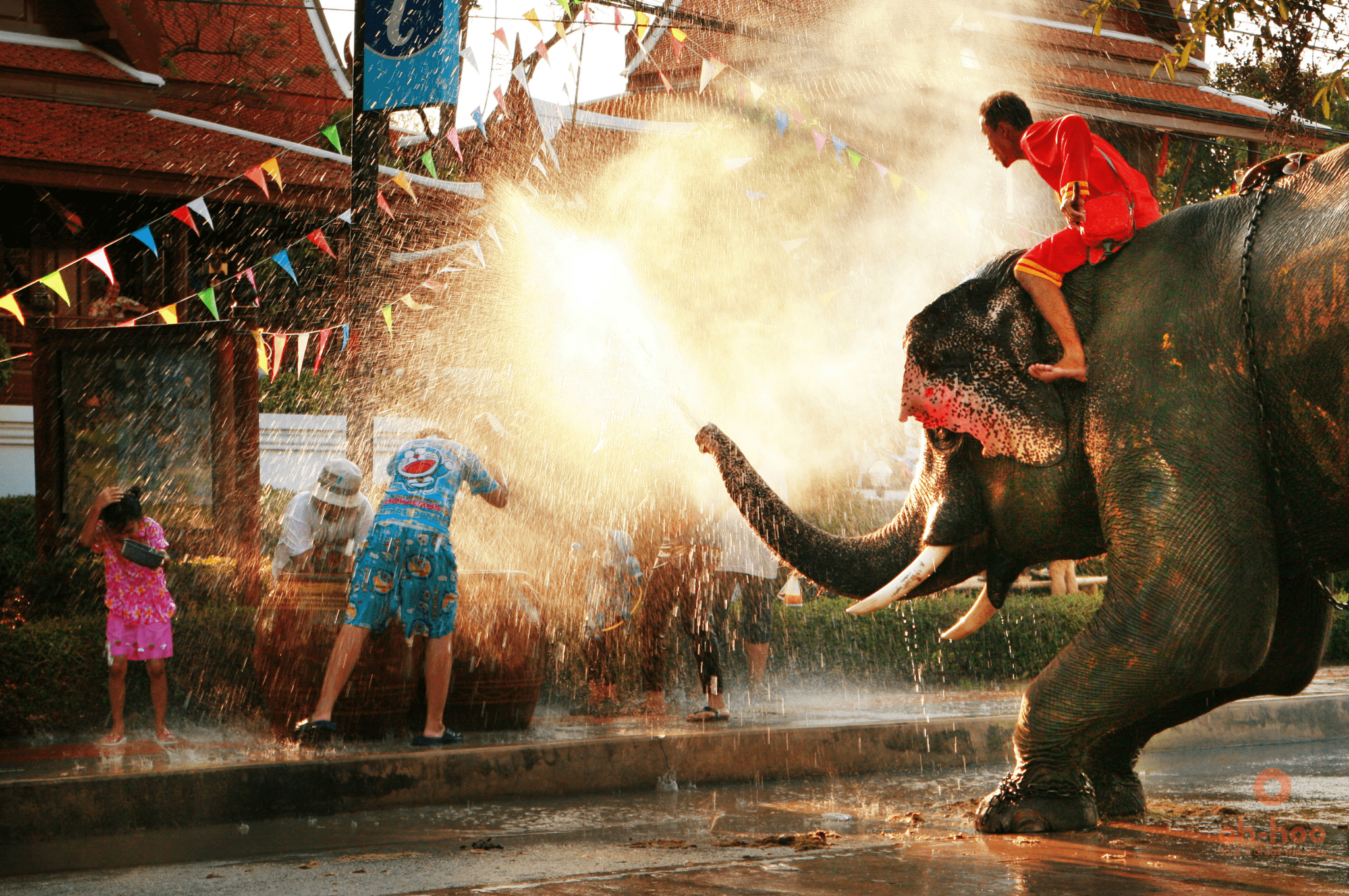
Songkran Festival Thailand is one of the most meaningful cultural celebrations in the country. While many people recognize it for its water splashing, the traditional heart of Songkran is about renewal, respect, and spiritual reflection.
Celebrated in mid-April, Songkran marks the traditional Thai New Year. It is a time when families come together, visit temples, honor elders, and begin a new cycle with positive intentions.
For first-time readers, Songkran should be understood as more than a fun festival. It is a meaningful tradition that reflects Thai values, community bonds, and a strong sense of cultural identity. As the Thai New Year water festival, Songkran Thailand is often recognized around the world for joyful street celebrations. Yet the deeper meaning of this Water festival Thailand lies in purification, gratitude, and the symbolic renewal of life at the beginning of a new year.
What Is Songkran Festival Thailand?
Songkran is the traditional Thai New Year festival and one of the most important annual celebrations in Thailand. It marks a cultural transition into a new year and a fresh beginning.
The festival is closely connected with ideas of renewal, gratitude, and cleansing. These values shape both the religious and family-centered rituals that define Songkran.
Traditionally, Songkran is a time to reconnect with loved ones, visit sacred places, and reflect on the year ahead. It is not simply a celebration of fun, but a season of meaning and intention.
Although modern versions of Songkran are often associated with public water fights, the original spirit of the festival remains grounded in respect, blessing, and community.
The meaning behind the word Songkran
The word “Songkran” comes from Sanskrit and refers to movement or transition. In cultural terms, it represents stepping into a new cycle and leaving the old year behind.
Why Songkran marks the Thai New Year
Songkran is celebrated as the Thai New Year because it symbolizes a new beginning. The festival encourages people to clear away negativity, reset their intentions, and welcome the year with hope and harmony.
Why Water Matters in Songkran Traditions
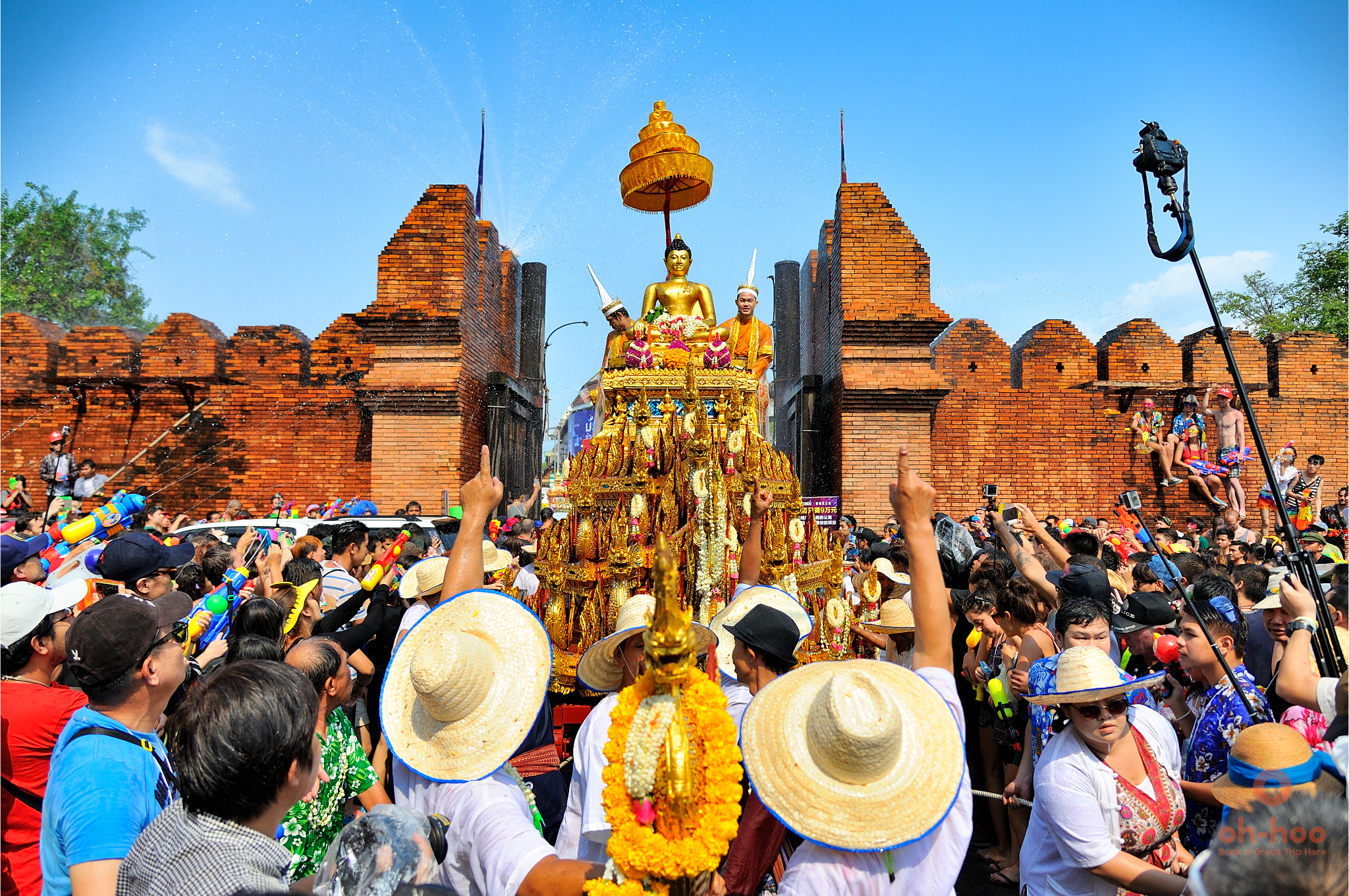
Water is the most recognizable symbol of Songkran, but its traditional meaning is much deeper than simple celebration. In Thai culture, water represents cleansing, purification, and blessing.
During Songkran, water is used to wash away the bad luck and difficulties of the old year. This makes it a powerful symbol of renewal and emotional reset.
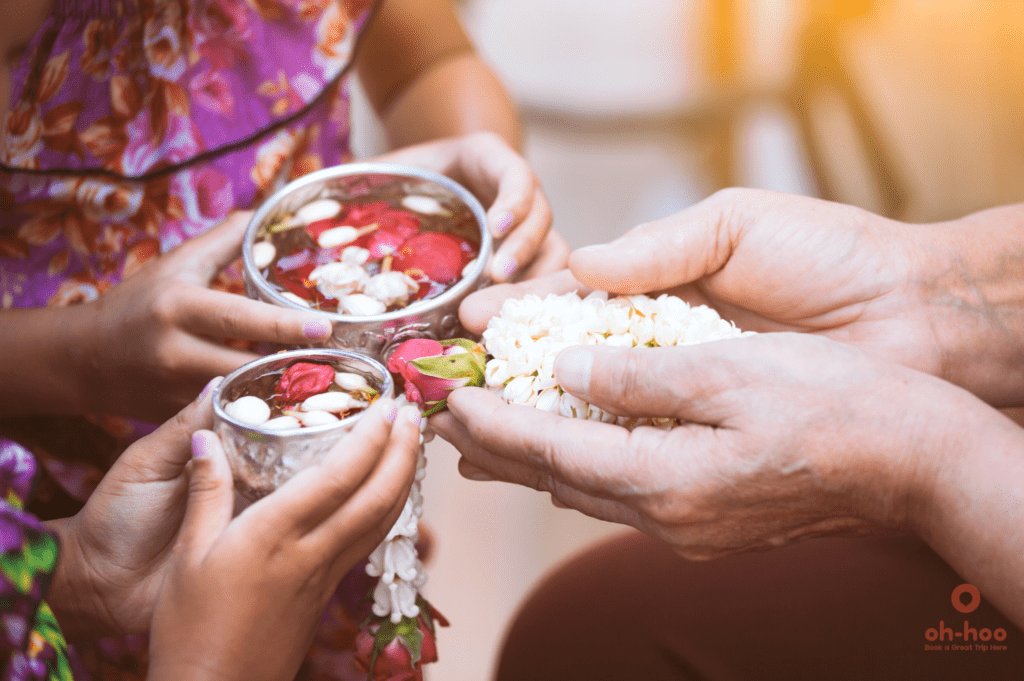
Traditional water rituals are calm and respectful rather than chaotic. The act of gently pouring water reflects care, reverence, and a wish for good fortune.
This symbolism explains why water remains central to Songkran, even as the festival has evolved into a more public and energetic celebration in modern times.
Bathing Buddha images
One important Songkran ritual is the gentle pouring of scented water over Buddha images. This act expresses reverence and is believed to invite blessings, peace, and spiritual cleansing for the year ahead.
Rod Nam Dam Hua and elder blessings
Rod Nam Dam Hua is the custom of pouring water over the hands of elders to show respect. In return, younger family members receive blessings, encouragement, and good wishes for the new year.
Traditional Songkran Customs Beyond the Water Fight
Songkran is often described as a water festival, but its traditional customs reveal a much richer cultural meaning. Many of its most important practices take place in homes, temples, and family spaces.
Before the celebration, families may clean their homes to symbolically remove misfortune and prepare for a fresh start. This physical cleansing reflects the emotional and spiritual renewal of the festival.
Temple visits are another important part of Songkran. People make merit, pray, and take part in rituals that connect them to faith, gratitude, and community values.
These customs show that Songkran is not only about public celebration. It is also about devotion, family connection, and preserving traditions across generations.
Merit-making at temples
Many people begin Songkran by visiting temples to offer food, pray, and make merit. This tradition helps create a meaningful start to the new year and highlights the spiritual side of the festival. These Songkran Buddhist rituals remind people that the festival is not only social but also spiritual. For many Thai families, temple merit- making reflects the deeper Songkran cultural meaning of beginning the year with humility, mindfulness, and good intentions.
Sand pagodas, home cleansing, and family reunion
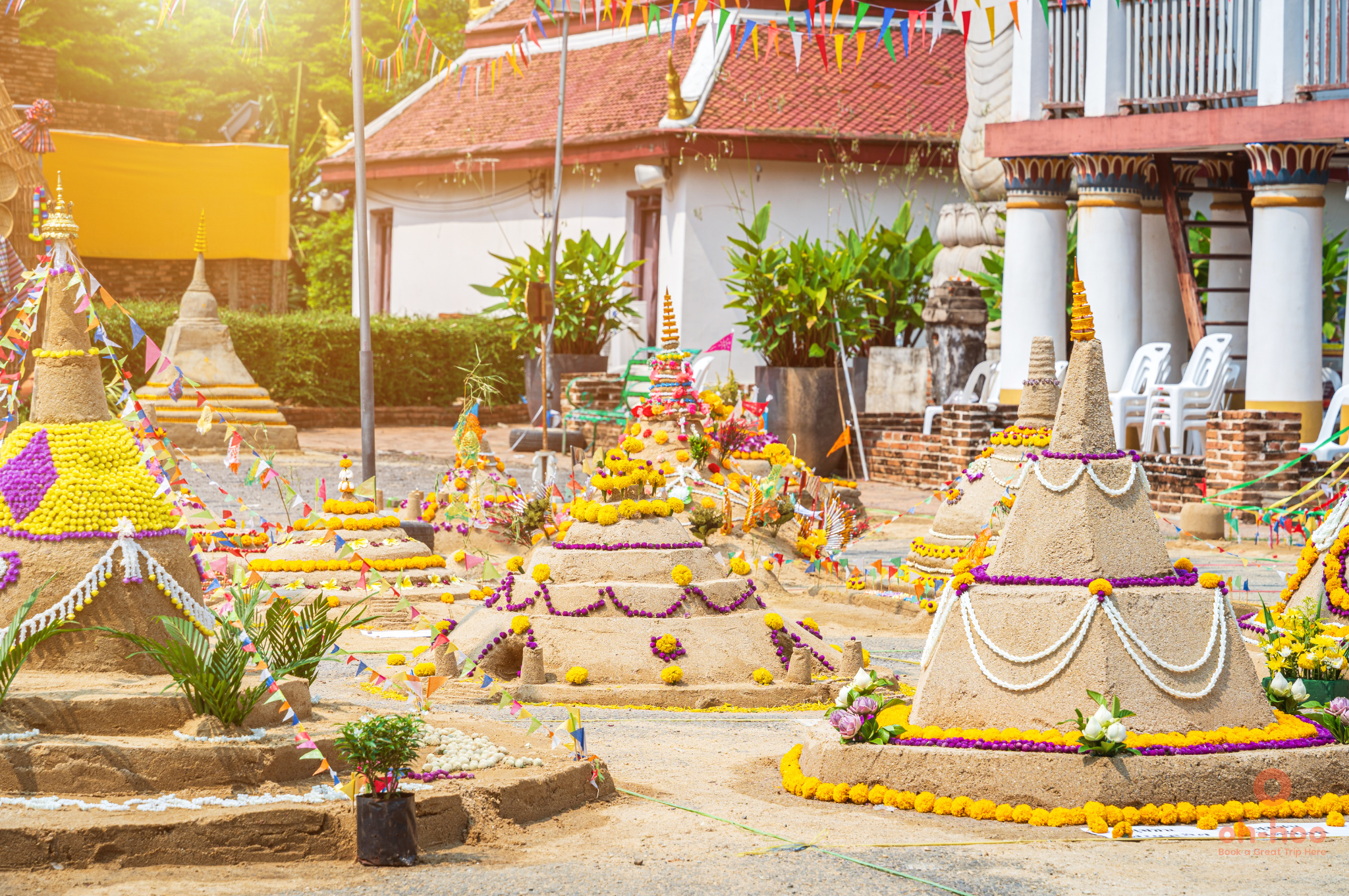
Traditional Songkran activities may include building sand pagodas at temples, cleaning the home, and gathering with family members. Together, these customs emphasize renewal, harmony, and closeness. Among the most memorable Thailand New Year traditions are Songkran sand pagodas, which are built at temples as symbols of merit and renewal. Together with home cleansing and family reunions, these customs show how Songkran traditions remain deeply connected to community life.
When Is Songkran Celebrated and Why Does It Still Matter?
Songkran is traditionally celebrated from 13 to 15 April each year. Because Songkran is also known as a Thailand April festival, this period brings together both cultural rituals and public celebration. For readers and first-time visitors, understanding this balance helps explain why Songkran remains one of the most meaningful festivals in Thailand. These dates mark one of the most recognized cultural holidays in Thailand and signal the arrival of the Thai New Year.
The timing of Songkran adds to its significance because it creates a shared national moment of reflection, reunion, and celebration. Families return home, communities gather, and rituals are passed on.
Even in a modern setting, Songkran continues to matter because it preserves important Thai values such as respect for elders, family unity, and spiritual mindfulness.
Its lasting appeal comes from the balance it offers between joy and meaning. Songkran allows people to celebrate publicly while still holding on to its traditional purpose.
The three official days of Songkran
Songkran is observed over three days in mid-April. This period is associated with transition, preparation, and the formal beginning of a new year, giving the festival a clear traditional structure.
How visitors can understand Songkran more respectfully
For many visitors, Songkran is first seen as a lively water event, but a more meaningful experience comes from understanding its traditional purpose. Watching temple activities, learning about family rituals, and recognizing the value of respect for elders can help readers appreciate Songkran beyond the surface of celebration.
Why Songkran still matters today
Songkran still matters because it connects the present with the past. It remains a living tradition that brings together celebration, cultural identity, and shared values in Thai society.
Understanding the Songkran meaning helps readers see the festival as more than a seasonal event. It is a Thai New Year celebration shaped by blessing, family respect, and traditions that continue to give Songkran Festival Thailand its lasting cultural value. Songkran Festival Thailand is often introduced through its water celebrations, but its traditional meaning goes much deeper. At its core, Songkran is about renewal, respect, blessing, and beginning the new year with a clear heart and strong family ties.