Best Time to Visit Koh Samui: Month-by-Month
Quick Answer: The best time to visit Koh Samui is January to April, with sunny, calm days. July and August are also great. Samui stays relatively dry while Phuket has its monsoon. The wettest months are around October to December, the green season for waterfalls and temple days.
Planning a trip to Koh Samui requires understanding how the island’s weather moves through the year. From idyllic calm waters to refreshing tropical rains, each season brings its own distinct advantages depending on whether you want beach days, quiet cultural sights, or lush jungle views.
To help you choose the right dates for your itinerary, here is a complete month-by-month look at Koh Samui’s weather, seasons, and top attraction timing.
Koh Samui Seasons at a Glance
| Season | Months | Expect |
| Dry / Peak Season | January – April | Long sunny days, calm turquoise seas, lowest humidity, and ideal boat conditions. |
| Hot & Shoulder Season | May – September | Warm days with short tropical showers; Samui stays much drier than Phuket and Krabi during July and August. |
| Rainy / Green Season | October – December | Heavy monsoon rainfall, higher sea swells, roaring jungle waterfalls, and fewer crowds across island sights. |
Why Samui’s Weather Is Different from Phuket
If you are planning a trip to Thailand between June and September, you have likely read warnings about the monsoon season. Most of those guides refer to Andaman Sea destinations like Phuket, Krabi, or Phi Phi. Those spots face west into the Indian Ocean, receiving the full brunt of the southwest monsoon from May right through October.
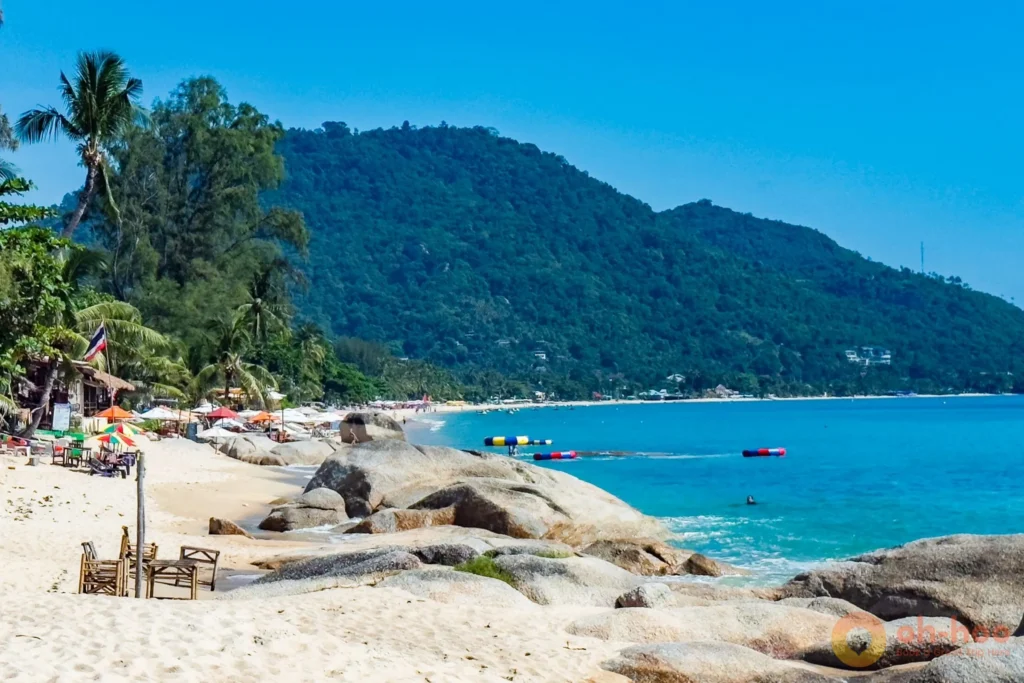
Koh Samui sits sheltered inside the Gulf of Thailand. Protected by the southern peninsula, Samui experiences its primary weather shift much later in the year, driven by the northeast monsoon. While Andaman beaches experience strong waves and frequent downpours, Koh Samui often enjoys clear skies and gentle waters, as its rainfall patterns follow a completely different rhythm from the Andaman coast.
Koh Samui Weather Month by Month
January
January kicks off the dry season with cool breezes, clear blue skies, and very comfortable temperatures averaging 26°C. The sea is calm, making it a prime month for snorkeling trips to Ang Thong National Marine Park. On land, clear mornings offer panoramic island photo opportunities at Chaweng Viewpoint.
February
February is statistically the driest month of the year on Koh Samui. Water visibility reaches its annual peak, perfect for diving or booking must-do sea activities in Koh Samui. Coastal landmarks like Big Buddha (Wat Phra Yai) glow brightly under uninterrupted sunshine, though popular beaches see higher tourist numbers.
March
Temperatures begin to climb into the low 30s during March, but conditions remain dry and bright. It is an exceptional month for island exploration before the peak heat sets in. Morning visits to Wat Plai Laem let you enjoy feeding the fish around the lake, while clear skies guarantee uninterrupted ocean views along the ring road.
April
April brings Thailand’s warmest weather alongside the vibrant Songkran (Thai New Year) water festival celebrations. Highs reach 34°C, driving travelers toward coastal spots and waterfalls. It is a fantastic time to combine beach relaxation with land tours that pause at air-conditioned vans, visiting cool forest stops like Na Muang Waterfall and historic temples.
May
May marks the start of the shoulder season. Temperatures stay warm, and short afternoon rainfall appears every few days to cool down the island. Marine tours operate normally, and island landmarks like the Grandfather and Grandmother Rocks (Hin Ta & Hin Yai) are easily accessible without peak-season crowds.
June
June delivers pleasant weather with occasional light showers that usually clear within an hour. Hotel prices start dropping, offering brilliant value. Offshore trips to spot wildlife, such as seeing pink dolphins around Koh Samui are highly reliable thanks to calm waters around Khanom and neighboring islands.
July
July is one of Koh Samui’s secret weapons. While European summer travelers avoid Western Thailand due to rains in Phuket, Samui stays largely sunny with minimal rain. It is a bustling month for families and couples who want reliable beach weather, smooth sea crossings, and ideal sightseeing conditions.
August
August continues the summer high season on the island. Seas stay clear, sunshine is abundant, and island tours run on regular daily schedules. If you are fitting your holiday into a short stay, following a balanced one-day Koh Samui itinerary lets you comfortably hit all major land sights in a single day trip.
September
September brings a gradual transition toward the green season. Showers grow slightly more frequent toward late September, though sunny breaks are still common. It is a peaceful month to visit cultural sites like Wat Khunaram (the Mummified Monk temple) without encountering long lines.
October
October marks the start of the Gulf monsoon. Rains become heavier, and ocean swells increase, meaning some offshore boat excursions pause when seas get rough. However, the island turns beautifully lush, waterfalls fill up, and room rates reach some of their lowest points of the year.
November
November is typically the wettest month on Koh Samui. Rain can last for extended periods, but tropical downpours are interspersed with fresh, green landscapes. It is the absolute best time for land-based exploration: forest waterfalls run at full power, and temple yards remain quiet and atmospheric.
December
Early December sees the monsoon taper off, with skies clearing rapidly toward Christmas and New Year. Sea conditions stabilize by late December, ushering back clear skies and cool breezes. The festive period fills up fast as travelers arrive to celebrate the holiday season on the coast.
Koh Samui Monthly Climate Data
For a quick reference, the table below provides a month-by-month overview of Koh Samui’s average temperatures, rain days, rainfall, and sea temperatures to help you plan your trip.
| Month | Avg Temp (°C) | Rain Days | Rainfall (mm) | Sea Temp (°C) |
| Jan | 26°C | 5 | 90 mm | 27°C |
| Feb | 27°C | 3 | 30 mm | 28°C |
| Mar | 28°C | 4 | 40 mm | 29°C |
| Apr | 29°C | 6 | 80 mm | 30°C |
| May | 29°C | 14 | 160 mm | 30°C |
| Jun | 29°C | 13 | 120 mm | 29°C |
| Jul | 28°C | 13 | 120 mm | 29°C |
| Aug | 28°C | 13 | 110 mm | 29°C |
| Sep | 28°C | 15 | 130 mm | 29°C |
| Oct | 27°C | 20 | 290 mm | 28°C |
| Nov | 26°C | 20 | 310 mm | 28°C |
| Dec | 26°C | 11 | 150 mm | 27°C |
Best Time to See Samui’s Top Sights
While ocean conditions fluctuate throughout the year, Koh Samui’s main cultural and natural sights on land are accessible across all 12 months. Understanding when each landmark shines helps you maximize your day trips.
Wat Plai Laem
Famous for its striking 18-armed statue of Guanyin (Goddess of Mercy) and a massive white laughing Buddha sitting in the middle of a lake. The temple surrounding the water allows visitors to buy fish food and feed giant catfish in the pond. Early mornings offer cool temperatures and golden morning light reflected on the lake, making it comfortable during hot months like April and May.
Big Buddha Temple (Wat Phra Yai)
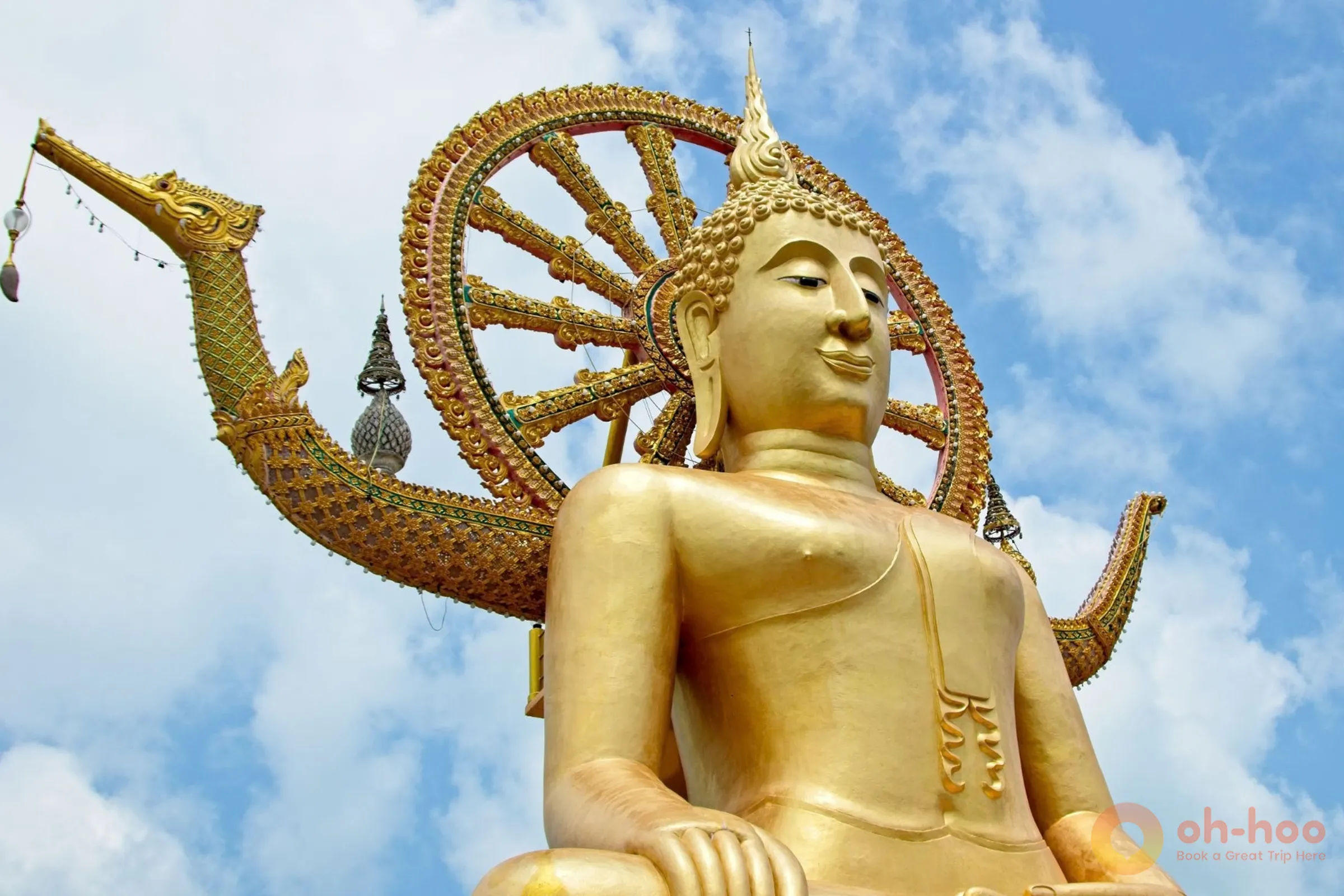
Located on a small rocky island connected by a causeway, this 12-meter golden Buddha sits atop a grand staircase and serves as Samui’s most famous landmark. The open-air location catches ocean breezes year-round, but visiting during the dry months (January to April) guarantees clear blue sky backgrounds for your photos. In the rainy season, late afternoon visits often capture dramatic storm cloud backdrops over the sea.
Chaweng Viewpoint
Perched on the coastal road between Chaweng and Lamai, this scenic spot looks out across the entire crescent of Chaweng Beach. The viewpoint is at its absolute best during the dry and summer months (February to August), when shallow waters show off bright turquoise gradient rings. It is an easy 15-minute photo stop that requires no hiking.
Hin Ta & Hin Yai (Grandfather & Grandmother Rocks)
These natural granite rock formations on Lamai Beach resemble male and female anatomy, accompanied by local folklore about an elderly couple whose ship foundered off the coast. Visit during low tide in the dry season to walk safely across the granite rocks and try local coconut sweets (Kalamae) sold at the entrance stalls.
Wat Khunaram
Home to the body of Luang Phor Daeng, a revered Thai Buddhist monk who died in 1973 while sitting in a meditative position and remains remarkably preserved in a glass case. Because the shrine is indoors and shaded by ancient trees, Wat Khunaram is one of the best stops on a rainy afternoon when beach activities are paused.
Na Muang Waterfall
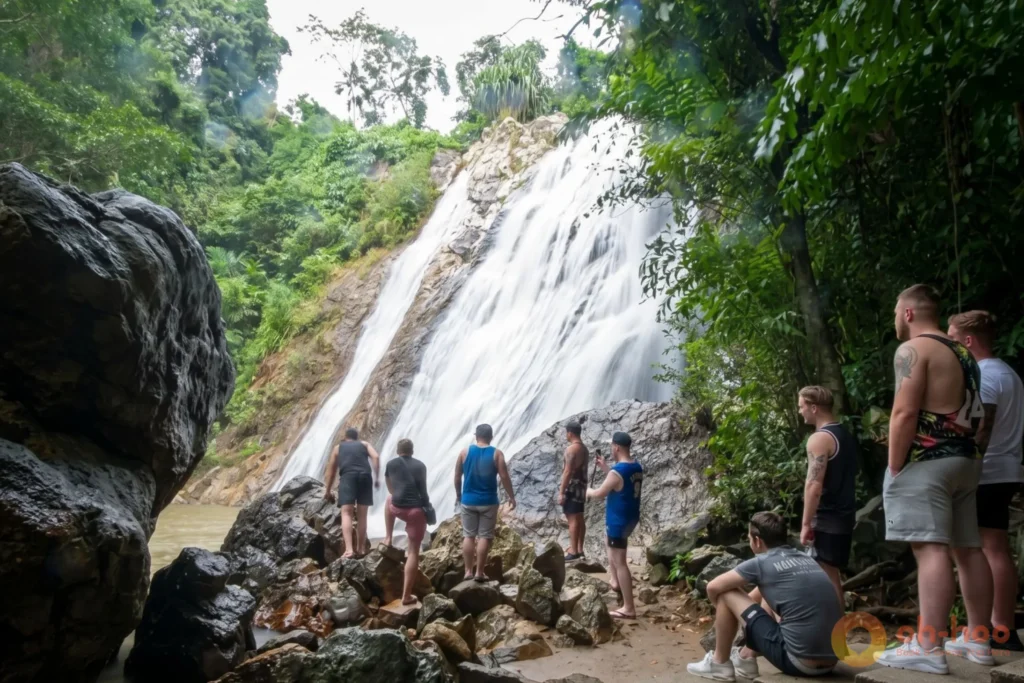
Set deep within Samui’s tropical jungle, Na Muang features two cascading waterfalls dropping into natural freshwater pools surrounded by purple granite rocks. The waterfall is at its most impressive from October to January, right after the monsoon rains when water volumes peak, creating deep, inviting pools for a fresh jungle swim.
Explore All 6 Sights in One Day
Experience Samui’s rich culture and coastal beauty without worrying about island transport. The Sightseeing Around Koh Samui City Tour covers all 6 top landmarks in a comfortable 6-hour route with hotel pickups, an English-speaking guide, air-conditioned van transport, entry fees, and bottled water included.
*Temple Dress Code Note: When visiting Wat Plai Laem, Big Buddha, and Wat Khunaram, please ensure shoulders and knees are covered as a sign of respect.

Best Time for… (Quick Picks)
- Best for Beaches & Snorkeling: January to April: Flat seas, bright blue skies, and high underwater clarity across all coasts.
- Best for Island Sightseeing: Year-round: Land sights like Big Buddha, viewpoints, and temples stay accessible in every season.
- Best for Families: July and August: Great weather coinciding with school holidays, when ocean waters remain calm and safe for swimming.
- Best for Budget Travelers: October to November: Flight and hotel prices drop significantly during the green season.
- Best for Culture & Festivals: April (Songkran) for island-wide water fights, or November (Loy Krathong) to float lotus baskets under evening skies.
Visiting in the Rainy Season? Make It Work
A common misconception is that visiting Koh Samui during the rainy season means staying stuck in a hotel room all day. In reality, tropical storms rarely bring continuous rainfall for days on end; most precipitation arrives in quick, powerful downpours, usually late in the afternoon.
Here is how to make the green season work for you:
- Embrace the “Green Season” Perks: Waterfalls like Na Muang run at full volume, lush rainforests turn vibrant green, and temples are delightfully quiet without peak tour buses.
- Focus on Land Sightseeing: Rainy afternoons are ideal for indoor cultural stops. A comfortable city tour keeps you dry in an air-conditioned van while traveling between temples.
- Check Marine Forecasts Daily: Ocean conditions shift quickly in November. Always confirm sea forecasts before booking speedboat charters or longtail trips.
FAQ
February is considered the single best month to visit Koh Samui. It records the lowest average rainfall of the year, gentle sea conditions, bright sunny skies, and manageable heat around 27°C.
Koh Samui’s rainy season runs from late October through mid-December, peaking in November. This differs from Phuket and the Andaman Coast, which experience rain much earlier, from May to October.
Yes, especially from mid to late December. While early December can see residual monsoon showers, skies clear up rapidly toward the end of the month, offering pleasant weather for the holiday season.
Yes. During July and August, Koh Samui experiences warm, dry days with calm Gulf waters, whereas Phuket faces the full force of the southwest monsoon with frequent rain and rough seas.
Plan Your Perfect Samui Island Trip
No matter what month you land on Koh Samui, the island offers plenty to explore beyond the sand. From ancient golden temples and jungle waterfalls to sweeping coastal viewpoints, land-based sightseeing works comfortably in every season.
Ready to see the best of the island in a single day? Book the Sightseeing Around Koh Samui City Tour, a hassle-free, 6-hour air-conditioned tour taking you to Big Buddha, Wat Plai Laem, Na Muang Waterfall, and more with hotel transfers included.