Why Is It Called James Bond Island? The Movie History Behind Koh Tapu
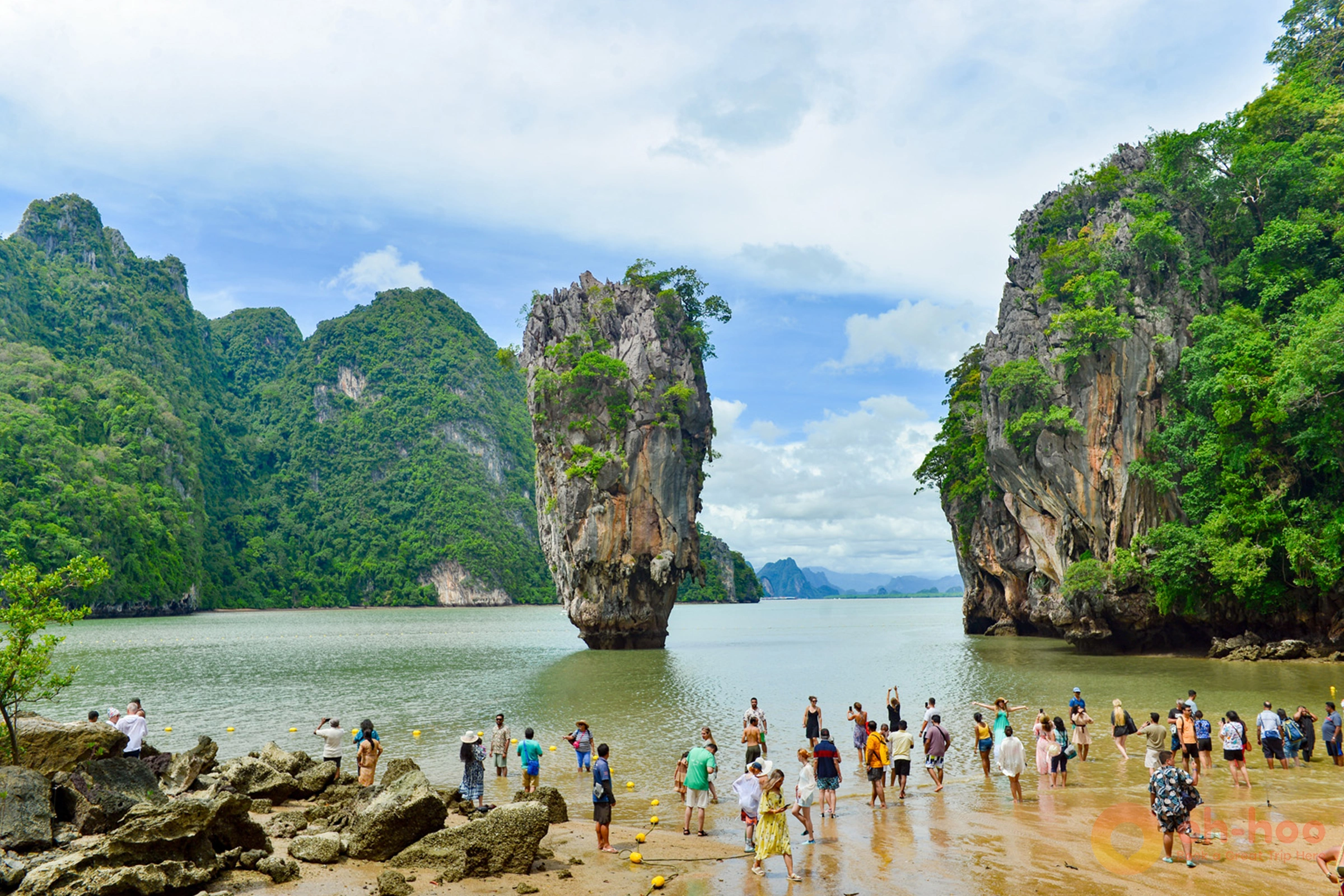
In the middle of Phang Nga Bay, a slender limestone spire rises straight out of the water, wider at the top than at its base, as if someone hammered it into the sea point-first. Almost everyone who visits knows it by one name: James Bond Island. Boats circle it, phones come out, and the photo goes home. But the island has a real name that has nothing to do with 007, and the nickname only exists because of a single film shot here more than fifty years ago. Here is the story of how a quiet Thai rock became one of the most recognisable movie locations in the world.
Real Name vs Nickname
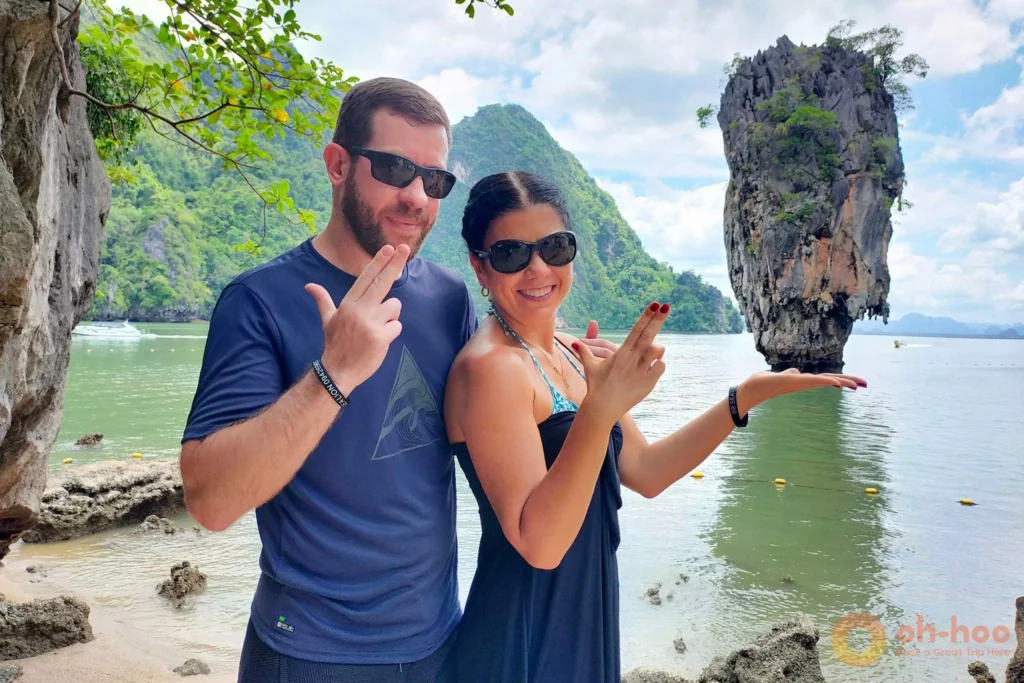
Here is the piece most visitors miss: “James Bond Island” is a nickname, not an official place name, and it actually blurs two separate islands.
Koh Tapu and Khao Phing Kan
The famous freestanding spire is Koh Tapu, which translates from Thai as “Nail Island,” a fitting description for a rock that looks like a nail driven into the sea, standing roughly 20 metres tall. The island most tour boats actually stop at, where you walk the beach and get the postcard view, is Khao Phing Kan, meaning “leaning mountain,” named for the two cliffs that lean against one another there. Locals and the national park use these original names; it is mainly the tourism industry and international visitors who lump both together under the Bond label. Knowing the difference is a small thing, but it is the kind of detail that makes the visit feel less like a photo stop and more like seeing a place with its own long history, one that existed for millennia before a film crew ever arrived.
The Man with the Golden Gun (1974)
The nickname traces back to The Man with the Golden Gun, the ninth film in the James Bond series, released in 1974. Directed by Guy Hamilton, it starred Roger Moore in his second outing as James Bond, facing off against the assassin Francisco Scaramanga, played with cool menace by Christopher Lee. There is a neat piece of trivia hidden in that casting: Christopher Lee was a step-cousin of Ian Fleming, the author who created James Bond in the first place. In the story, Scaramanga retreats to a secret private island hideout, and the filmmakers needed a location that looked genuinely otherworldly, somewhere audiences would believe a supervillain could vanish from the world.
Why they chose Phang Nga Bay
Phang Nga Bay provided the ultimate backdrop for the film, offering a distinct landscape that elevated the movie’s setting:
- Unmatchable Natural Scenery: The bay features sheer limestone karsts, hidden lagoons, and towering sea stacks rising dramatically from calm emerald waters creating a landscape no Studio set could replicate.
- The Perfect Villain’s Lair: Its remote, striking, and otherworldly atmosphere offered Western audiences a visual experience unlike anything they had seen on screen before.
- Thailand Filming Locations: While the production also shot scenes elsewhere in Thailand, including Bangkok, the bay’s islands and iconic rock formation became the movie’s most enduring image.
Koh Tapu’s Big Screen Moment
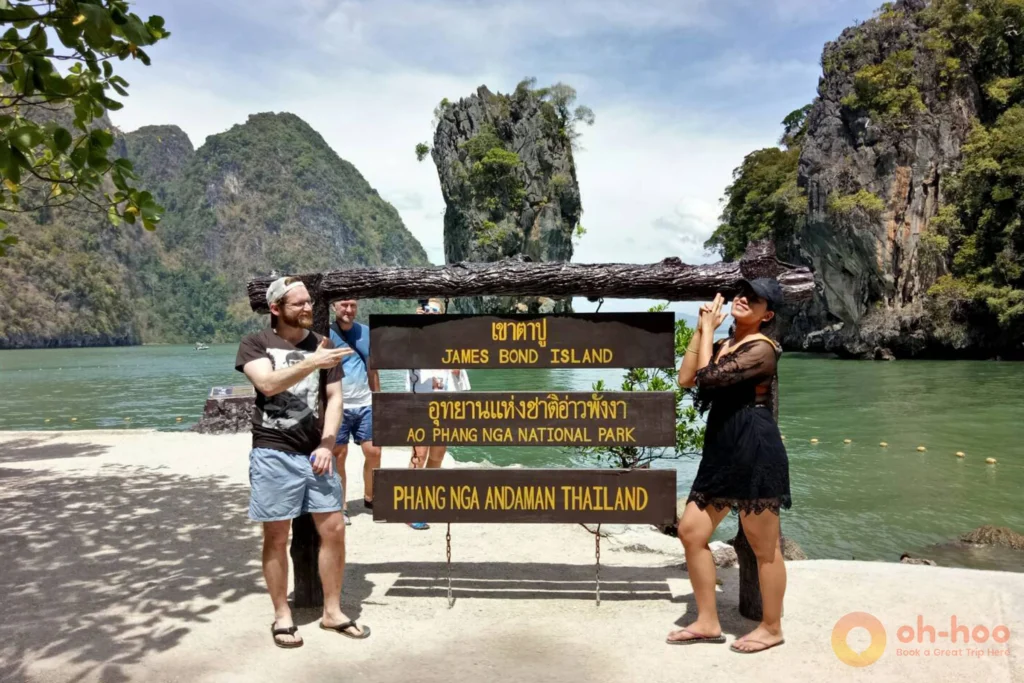
The rock the world now calls James Bond Island is Koh Tapu, the freestanding pinnacle that appears in the film’s climax. In the story, Scaramanga’s island conceals a high-tech solar power installation tied to the plot’s stolen energy technology, and the surrounding scenery, the twin leaning cliffs of the neighbouring island and the lone spire offshore, became the backdrop for Bond’s final confrontation with his adversary.
The location worked because it needed almost no set dressing. The strange, top-heavy shape of Koh Tapu already looked like something out of a spy fantasy, and the enclosed bay gave the sequence a sense of a hidden world sealed off from the outside. It was on screen for only a portion of the film, but that was enough. For millions of viewers, that single silhouette became the picture they associated with the movie.
From Movie Prop to Tourist Icon
Before 1974, this stretch of Phang Nga Bay was a remote corner of the Andaman coast known mainly to local fishermen. The film changed that almost overnight. As The Man with the Golden Gun played in cinemas around the world, travellers began asking where the villain’s island was, and Thai tour operators were happy to answer. The rock quickly picked up its unofficial name, and “James Bond Island” became a fixed stop on the region’s growing tourism map.
- The 1970s Tourism Surge:
- The release of the film coincided with Thailand’s emergence as a major international beach destination, giving Phuket a ready-made Hollywood landmark.
- Word of mouth, postcards, and the internet transformed a brief spy film cameo into a permanent fixture of the Andaman travel circuit.
- Modern-Day Popularity & Access:
- Decades later, it remains one of the most popular day trips from Phuket and Khao Lak, consistently listed among Thailand’s top must-see sights.
- Visitors reach the bay via longtail boats, big tour boats, and sea-kayaking excursions, while a stop-by-stop guide to visiting breaks down what a typical tour covers beyond the iconic rock itself.
What Koh Tapu Looks Like Today
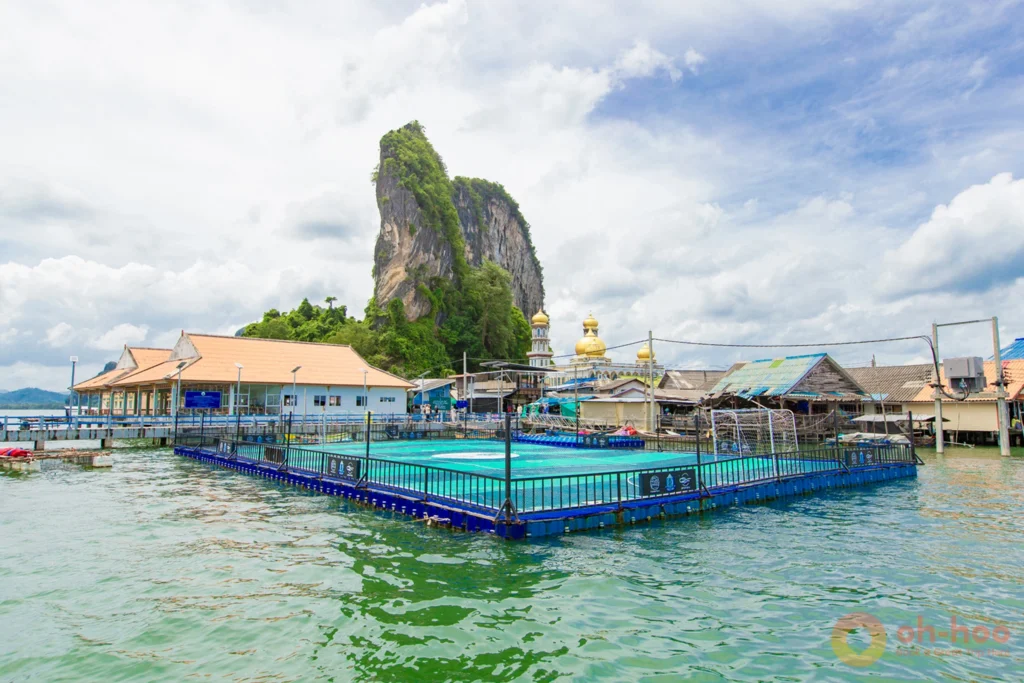
The island you see today is essentially the same silhouette as in the film, but its popularity has come with a cost. Koh Tapu is a limestone karst formation, shaped over thousands of years as tides and waves slowly wore away its base, which is exactly why it is so much narrower at the bottom than at the top. That same erosion continues today, and the sheer volume of boats and visitors has raised real concerns about the long-term stability of the fragile pillar.
Preservation and Visitor Guidelines Today
To safeguard Koh Tapu’s fragile structure, park authorities strictly prohibit visitors from landing on or paddling directly up to the rock. Instead, travelers take in the famous landmark from the beach at neighboring Khao Phing Kan, where the spire sits photogenically offshore. Managed by Ao Phang Nga National Park since 1981, the area balances visitor access with active conservation of its limestone formations, mangroves, and marine ecosystems. In practice, this means the experience today is about admiring the rock from a respectful distance rather than climbing on it, a small trade-off for keeping the icon standing. For those looking to explore the wider route around the bay, the full Phang Nga Bay itinerary shows what else a full day out here includes.
Visiting Koh Tapu and Phang Nga Bay
If seeing it for yourself is on your list, the easiest way is a guided day trip such as the James Bond Island & Phang Nga Bay Big Boat Tour from Phuket, which handles the boat, the route, and the timing so you arrive at the bay’s highlights without the logistics.
FAQ
The Man with the Golden Gun (1974) is the ninth film in the series, starring Roger Moore as James Bond and Christopher Lee as the villain Scaramanga. The island served as the backdrop to Scaramanga’s secret hideout.
The iconic rock spire is Koh Tapu, meaning “Nail Island” in Thai. The larger island where boats stop is Khao Phing Kan, meaning “leaning mountain.” “James Bond Island” is only a nickname that came from the movie.
No. To protect the fragile, eroding limestone pillar, visitors are not allowed to land on or approach Koh Tapu directly. You view it from the beach at neighbouring Khao Phing Kan, which is part of Ao Phang Nga National Park.
It sits in Phang Nga Bay and is usually visited on a day trip by boat from Phuket or Khao Lak, as part of a wider bay itinerary. See our stop-by-stop James Bond Island tour guide for the full route.
See the Legend for Yourself
Reading about Koh Tapu is one thing; rounding a headland in Phang Nga Bay and watching that impossible spire rise straight out of the water is another entirely. More than fifty years after a film crew turned it into a villain’s lair, the rock still has the same cinematic pull — the difference is that now you get to be the one holding the camera. The easiest way to reach it is to let a boat do the work and simply enjoy the ride there. The James Bond Island & Phang Nga Bay Big Boat Tour from Phuket threads through the bay’s sea caves, limestone cliffs, and hidden lagoons before delivering you to the star of the show — so all you have to do is look up and picture the closing scene.