Chiang Mai Elephant Sanctuary: How to Choose an Ethical, No-Riding Camp
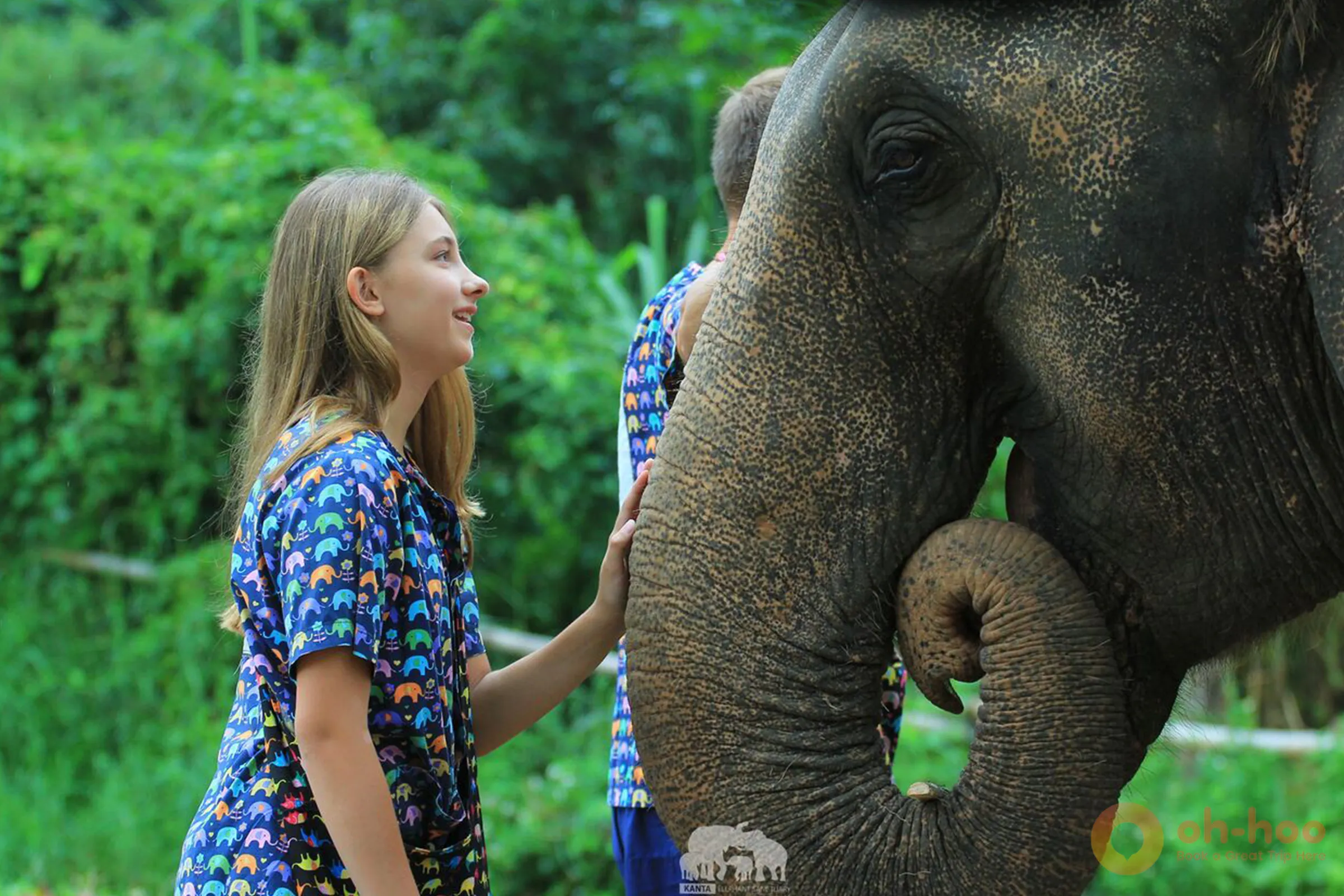
Quick Answer: Choosing an ethical Chiang Mai elephant sanctuary means selecting a facility that enforces a strict no-riding, no-hook, and no-chain policy, allowing rescued elephants to live naturally and freely. Visitors can observe, feed, walk alongside, and learn about elephant health and behavior in small, intimate groups. Kanta Elephant Sanctuary in Mae Taeng serves as a prime example of these international animal welfare standards, featuring small-group experiences capped at 10 guests per tour.
What Makes an Elephant Sanctuary Ethical
Global animal welfare organizations (such as World Animal Protection) advocate for wild animals to live as naturally as possible, free from coercion, fear, and physical restraint. When researching the best elephant sanctuary Chiang Mai options, ensure the facility meets these non-negotiable welfare standards:
- Strict No-Riding Policy: Elephants’ spines are not anatomically built to carry heavy wooden saddles (howdahs) or human weight for hours each day. Ethical facilities never allow riding of any kind.
- No Bullhooks or Ankle Chains: Elephants should be guided using positive reinforcement, vocal cues, and mahout (caretaker) trust—never sharp metal training hooks (ankus) or heavy leg chains that inflict pain or restrict movement.
- No Forced Shows or Tricks: Elephants should never be trained to paint pictures, play soccer, sit on stools, or perform unnatural tricks for crowd entertainment.
- Respect for Natural Behaviors: Animals must have open green space to forage, bathe, dust-roll, and socialize in natural herds without forced human interference.
- Capped Visitor Group Sizes: High tourist density causes anxiety for gentle giants. Ethical sanctuaries limit daily guest numbers to keep environments quiet and stress-free.
Red Flags to Watch For
When browsing tour operator descriptions or photos online, be alert to these warning signs that indicate a camp prioritizes profit over animal welfare:
- Photographs of Saddles or Riding: Any photo showing tourists mounted on an elephant’s neck or back is an immediate red flag.
- Visible Hooks or Restraints: Look closely at caretaker photos. If mahouts hold metal sharp hooks or if elephants have raw chain marks around their ankles, avoid the venue.
- Forced Bathing Schedule: While elephants love mud and water, being forced into a river on a rigid schedule when they prefer to forage or rest in the shade is unnatural.
- Mass Crowds: Large tour buses dropping off dozens of loud visitors at once can cause significant stress for animals sensitive to noise.
How to Choose the Best Elephant Sanctuary in Chiang Mai
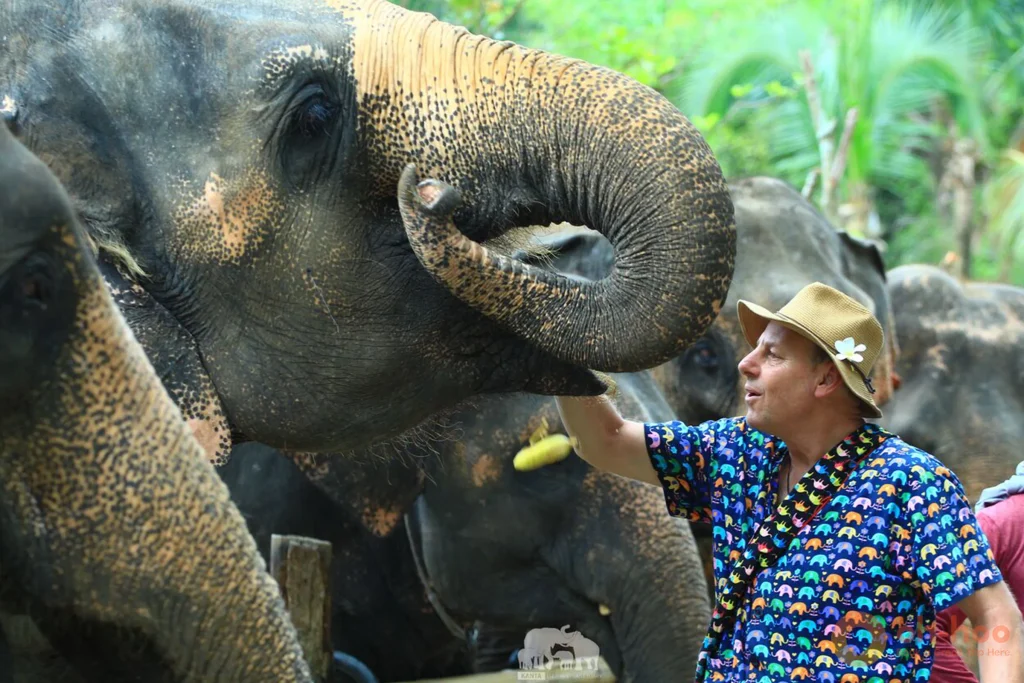
Before booking an elephant tour in Chiang Mai, travelers should ask key questions to verify the facility’s ethical and animal welfare standards. First, confirm whether the sanctuary enforces a strict zero-tolerance policy against riding, hooks, and chains. Next, ask if tours are kept in small, intimate groups to ensure a peaceful environment for both visitors and animals. Finally, inquire whether the schedule includes dedicated, unscripted time for elephants to roam, graze, and rest away from human interaction—standards perfectly demonstrated by responsible facilities like Kanta Elephant Sanctuary.
A Day at Kanta Elephant Sanctuary (No Hook & No Riding)
Founded in March 2015, Kanta Elephant Sanctuary, located in the Mae Taeng district (~45 km north of central Chiang Mai) stands as a leading model for ethical tourism. Kanta operates under a strict no-training hook, no-ankle chain, and absolute no-riding policy, hosting small groups capped at just 10 guests per session to prioritize animal comfort.
Full-Day Tour Schedule & Highlights
A visit to Kanta Elephant Sanctuary offers a heartwarming and peaceful half-day immersion in nature.
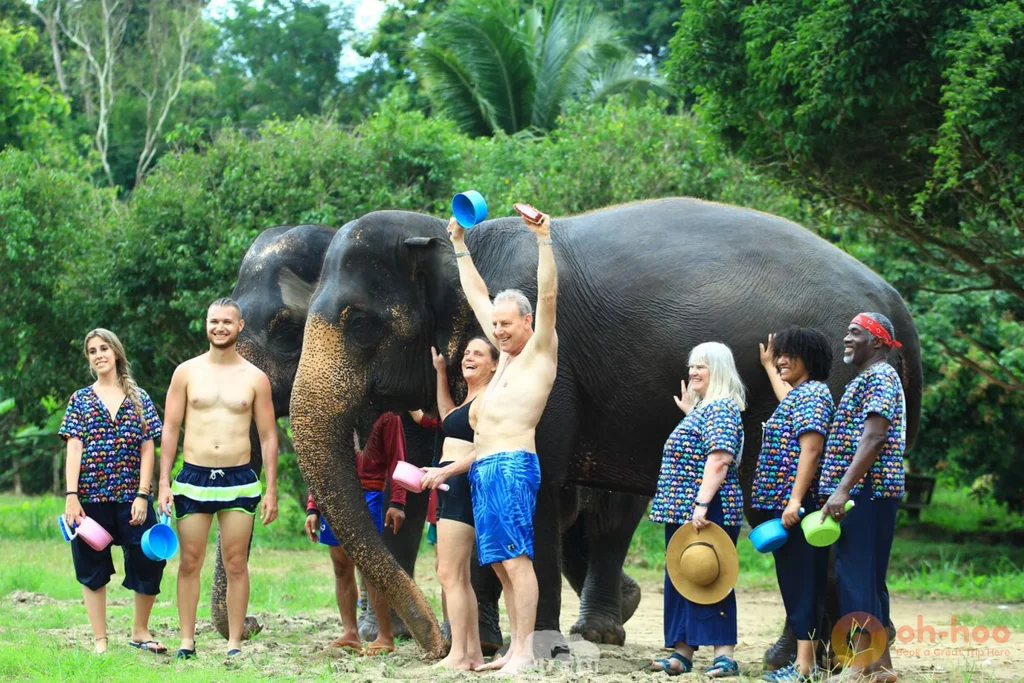
- In the morning, the experience begins with a scenic drive from Chiang Mai to the Mae Taeng valley, where guests change into traditional mahout attire, prepare fresh fruits, and learn about elephant wellness while crafting herbal health treats.
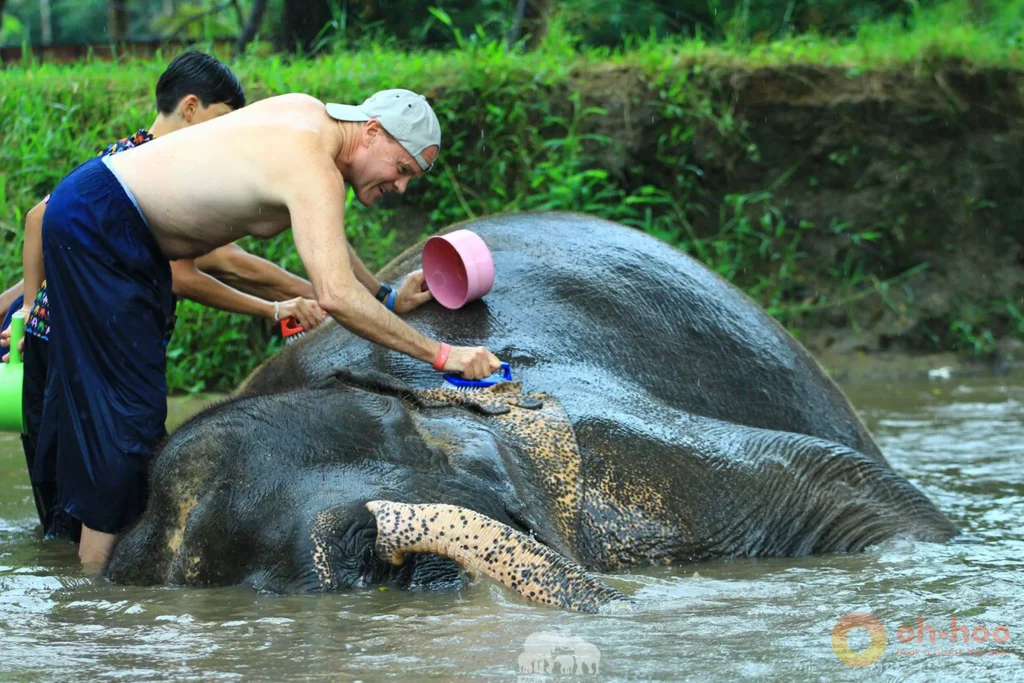
- In the afternoon, visitors stroll alongside the elephants through tranquil surroundings, observe them freely splashing and bathing in the river to cool off, and wrap up the day with fresh local fruits, memorable photo opportunities, and a relaxed journey back to town.
If you have a tight travel schedule, you can also experience the same zero-hook, zero-riding philosophy on a shorter excursion with the Kanta Elephant Sanctuary Half Day Tour From Chiang Mai.
What to Wear & Bring
To stay comfortable during your hands-on sanctuary visit, prepare with these practical packing items:
- Clothes That Can Get Dirty: Wear lightweight, breathable clothing. You will be provided with a traditional top, but shorts or leggings that can handle dirt and mud are recommended.
- Footwear: Wear sturdy water-resistant sandals or old sneakers with good tread for walking over unpaved forest trails and muddy riverbanks.
- Change of Clothes & Towel: Pack a clean shirt, shorts, undergarments, and a small travel towel if you plan to join the river splash or mud activity.
- Sun & Insect Protection: Bring reef-safe mineral sunscreen, a wide-brimmed sun hat, and natural bug spray for walking through shaded forest trails.
Pair It With Other Chiang Mai Experiences
A visit to an ethical Chiang Mai elephant sanctuary fits perfectly into a multi-day northern itinerary. Combine your sanctuary day with other signature day trips across the province:
- Sacred Mountain Temples: Spend the following morning ascending the Naga staircase to Wat Phra That Doi Suthep; review transit options in our guide on how to get to Doi Suthep.
- Jungle Canopy Ziplining: Soar through rainforest treetops on an eco-zipline flight using our recommendations for the best zipline in Chiang Mai.
- Thailand’s Highest Peak: Explore cloud forests and twin royal pagodas on a guided Doi Inthanon National Park tour.
- Northern Highlights: Discover why Northern Thailand remains a top choice for global travelers in our overview on whether Chiang Mai is worth visiting.
FAQ
Yes. Kanta Elephant Sanctuary follows a strict no-hook, no-chain, and no-riding policy. Each session welcomes only a small group of guests, so the day stays calm for the elephants and personal for you. On the Kanta Elephant Sanctuary Full Day Tour (No Hook & Riding), you can feed, walk with, and learn about the elephants in a natural setting, with hotel pickup and lunch included.
No. Ethical sanctuaries never allow riding. Riding damages an elephant’s spine and requires harmful physical restraint during early training.
A full-day tour lasts approximately 7 to 8 hours (including 50 minutes of round-trip transfer time from central Chiang Mai). Half-day morning or afternoon options take approximately 4 to 5 hours total.
Bathing is ethical when it is unforced and allows elephants to voluntarily enter natural rivers or mud pools. At Kanta, river interactions are voluntary and designed for caretakers and guests to assist in keeping elephant skin healthy and cool.
Book an Unforgettable Ethical Experience
Visiting a genuine Chiang Mai elephant sanctuary is often the highlight of a trip to Thailand. By choosing a zero-hook, zero-riding facility like Kanta, your travel dollars directly support sanctuary rescue efforts and peaceful care for Thailand’s revered gentle giants.
Reserve your spot on the Kanta Elephant Sanctuary Full Day Tour (No Hook & Riding) today! Enjoy an intimate small-group day featuring fruit feeding, forest walks, herbal medicine making, and river fun with hotel pickup, lunch, and complete guides included.