Chiang Mai Temple Tour: Doi Suthep & Old City Temples in the Cool Season
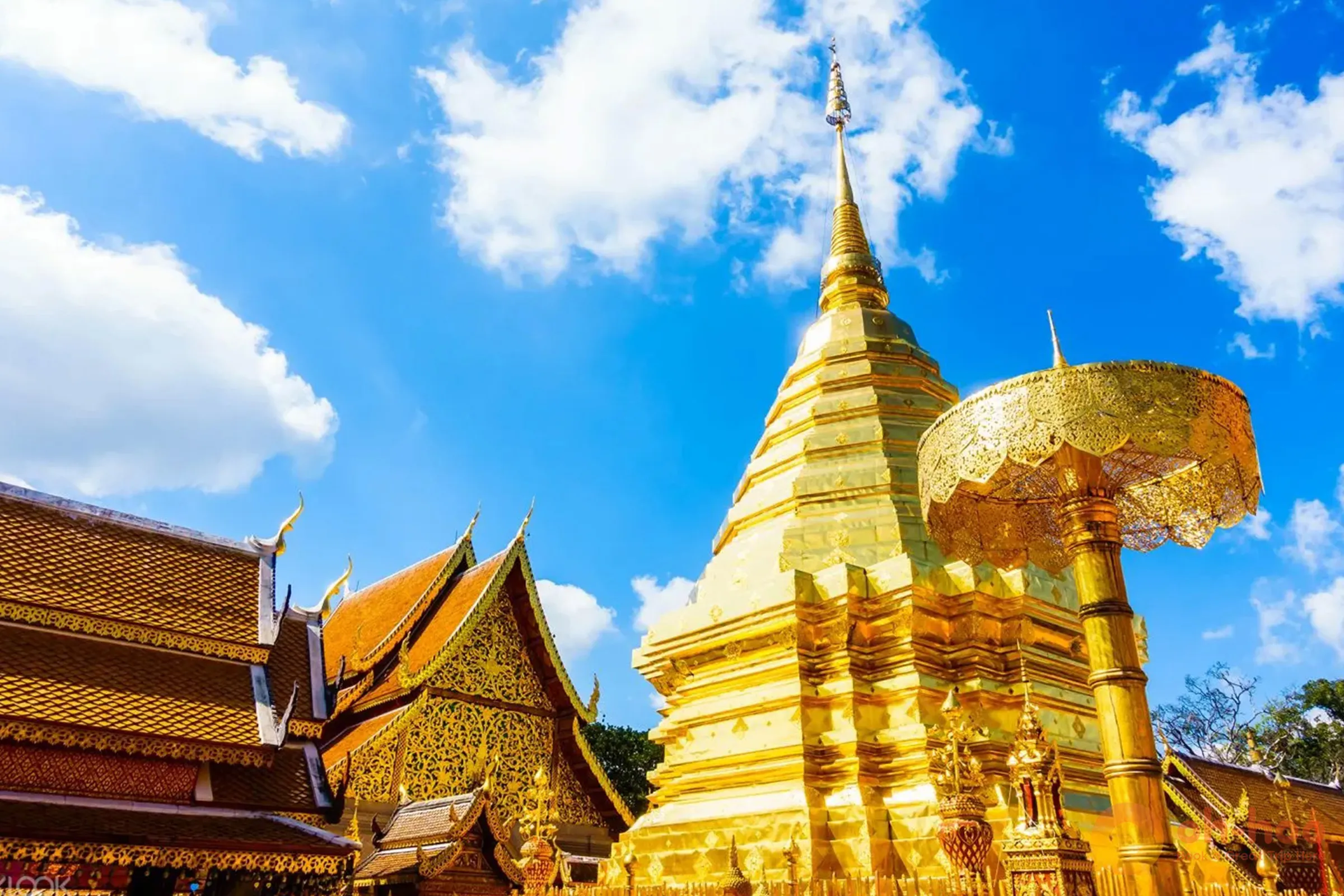
Quick Answer: The best cool-season route to explore Chiang Mai temples combines the mountain sanctuary of Wat Phra That Doi Suthep with atmospheric forest tunnels at Wat Umong, the white royal stupas of Wat Suan Dok, and the historic Old City trio of Wat Chiang Man, Wat Phra Singh, and Wat Chedi Luang. Taking advantage of the crisp, comfortable November-to-February weather, this guide outlines an optimal single-day itinerary whether touring by tuk-tuk or joining a guided Doi Suthep tour complete with timing tips, dress code etiquette, and key highlights across Northern Thailand’s most revered sacred sites.
Chiang Mai Temples at a Glance
To help you organize your daily sightseeing route, here is a breakdown of the top sacred sites across the province:
| Temple Name | Signature Feature | Best Time to Visit | Suggested Time Needed | Transport Method |
| Wat Phra That Doi Suthep | Golden 16th-century mountain stupa & panoramic city views | Early morning (07:30) or late afternoon | 2–3 hours | Songthaew, taxi, or guided mountain tour |
| Wat Umong | 700-year-old forest tunnels & peaceful meditation grounds | Late afternoon or illuminated evening | 1–1.5 hours | Short drive from Old City (West of canal) |
| Wat Suan Dok | Brilliant white royal burial chedis & sunset mountain backdrop | Sunset (17:00–18:00) | 45 minutes | Tuk-tuk or songthaew along Suthep Road |
| Wat Phra Singh | Noble Lanna architecture & sacred Phra Singh Buddha image | Morning or mid-day | 1 hour | Walkable within central Old City |
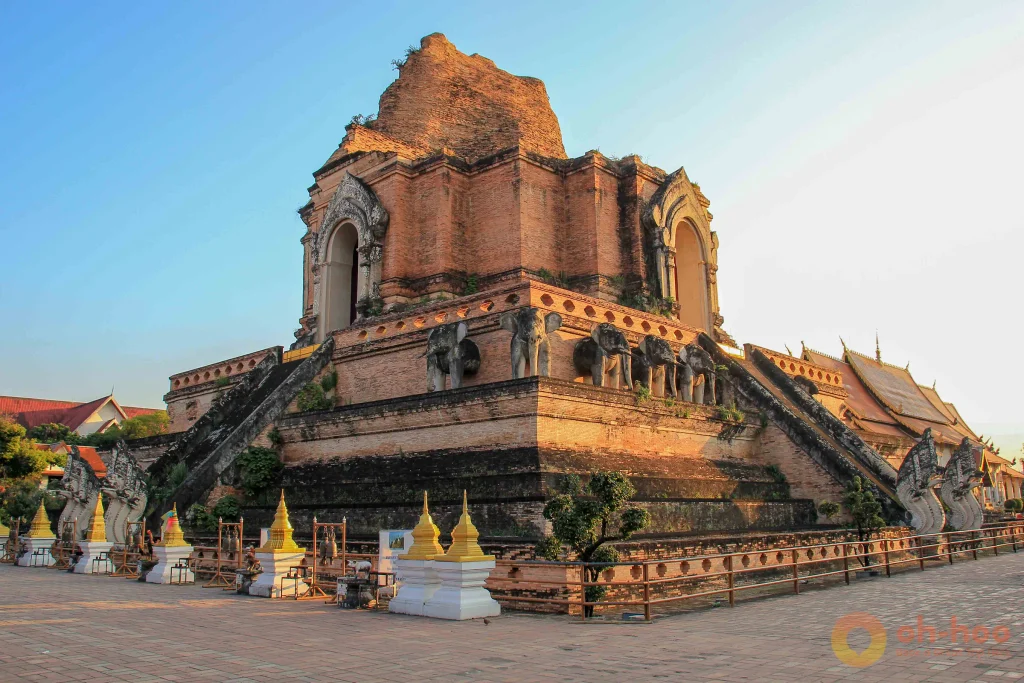
| Wat Chedi Luang | Towering 14th-century brick pagoda ruins | Late afternoon / golden hour | 1 hour | Walkable within central Old City |
| Wat Chiang Man | Chiang Mai’s oldest temple featuring elephant-buttressed chedi | Morning | 45 minutes | Walkable near Chang Puak Gate |
Wat Phra That Doi Suthep & Hmong Hill Tribe Village
Perched near the summit of Doi Suthep mountain at an elevation of over 1,000 meters, Wat Phra That Doi Suthep stands as Northern Thailand’s most sacred spiritual landmark. Founded in 1383 during the Lanna Kingdom, legend holds that a sacred Buddha relic was placed on the back of a white elephant, which climbed the mountain, trumpeted three times, and knelt on the site where the temple was established.
Visitors ascend the famous 306-step Naga serpent staircase or ride the enclosed cable car to reach the upper marble courtyard. Surrounding the central 16th-century golden stupa are bronze Buddha statues, monastic meditation halls, ritual prayer bells, and an expansive observation deck offering sweeping views across the entire city.
Taking a guided Doi Suthep Temple Tour with Hmong Village from Chiang Mai combines this spiritual landmark with a local hill tribe excursion. Discover independent transport options in our complete guide on how to get to Doi Suthep.
Wat Umong The Forest Tunnel Temple
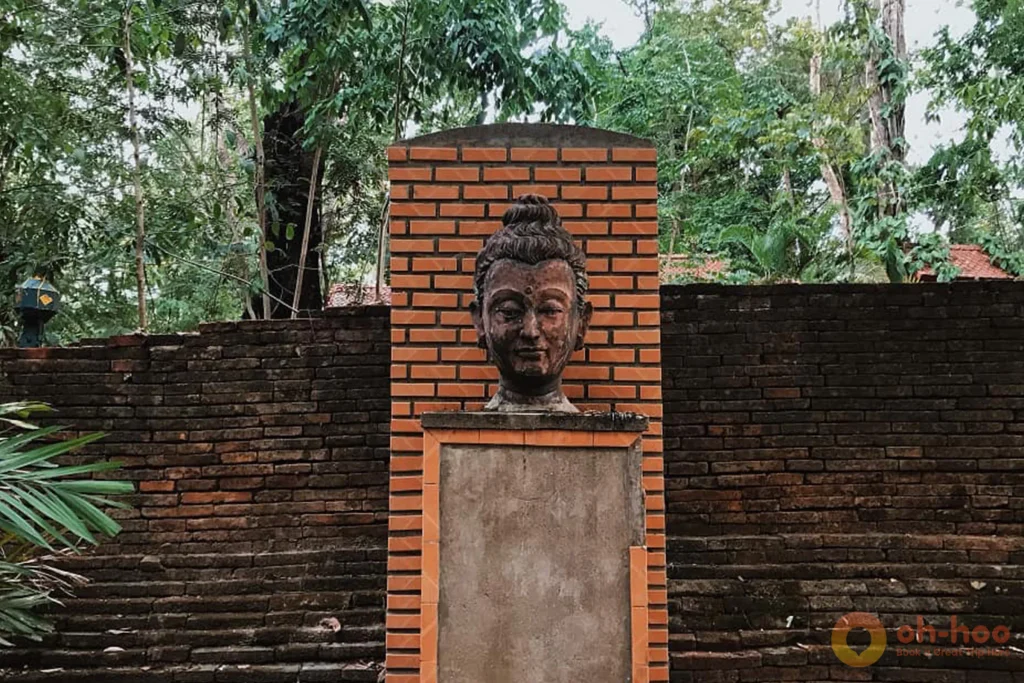
Tucked into the wooded foothills at the base of Suthep Mountain, Wat Umong (Suan Phutthatham) offers an unusually peaceful, rustic atmosphere distinct from urban shrines. Built in the late 13th century by King Mangrai, the complex was designed to provide forest-dwelling monks with a quiet environment for deep meditation.
Its defining feature is a network of atmospheric brick-lined underground tunnels constructed beneath a large raised mound, housing small shrines and candlelit Buddha statues. Above the tunnels sits a massive, moss-covered bell-shaped stupa, surrounded by a peaceful lake fed by mountain streams where visitors can feed resident fish and turtles.
Experiencing this forest sanctuary after dark reveals a magical atmosphere; consider taking the Wat Umong and Doi Suthep At Night Tour to explore illuminated tunnels and view Doi Suthep’s golden stupa bathed in spotlights without daytime crowds.
Wat Suan Dok: White Chedis at Sunset
Located just outside the western Old City wall along Suthep Road, Wat Suan Dok (“Flower Garden Temple”) was built in 1371 on the grounds of a former royal botanical garden.
The temple is famous for its striking field of brilliant white Ku (mausoleum chedis) containing the cremated ashes of Chiang Mai’s historic Lanna royal family. Set against the dark green backdrop of Suthep Mountain, the brilliant white stupas create one of the city’s finest photography settings during sunset. The main assembly hall (Viharn) houses two large Buddha statues seated back-to-back, facing east and west.
Old City Highlights: Wat Chiang Man, Wat Phra Singh & Wat Chedi Luang
The historic square mile bounded by Chiang Mai’s ancient moats houses dozens of revered neighborhood shrines. Visiting the “Big Three” Old City sites provides deep insight into classical Lanna art and city history:
- Wat Chiang Man: A peaceful, leafy oasis tucked away in the Old City, best known for its tranquil grounds and the serene stupa encircled by 15 life-sized stone elephants.
- Wat Phra Singh: The vibrant spiritual heart of the Old City, filled with glowing golden Lanna roofs, intricate wooden craftsmanship, and an inspiring sacred ambiance.
- Wat Chedi Luang: An awe-inspiring sanctuary defined by its towering, partially ruined brick pagoda that casts a dramatic, timeless atmosphere, especially during late afternoon.
A fun, comfortable way to explore these central monuments without walking long distances under the tropical sun is by booking a Chiang Mai Private Tuk Tuk Tour with a local driver. Plan your neighborhood route with our complete Chiang Mai Old City itinerary.
More Temples Worth the Detour
- Wat Sri Suphan (The Silver Temple): Located south of the Old City along Wualai Road, this unique sanctuary is encased in hand-embossed sterling silver, aluminum, and zinc panels crafted by local silversmiths. (Note: Traditional Lanna monastic rules restrict women from entering the interior silver holy hall, but the surrounding courtyard displays can be appreciated by all guests).
- Wat Phra That Doi Kham: Situated on a forested hill southwest of the city, this shrine features a soaring 17-meter-tall seated white Buddha statue visible from afar and offers sweeping valley views.
- Excursions Further Afield: If your travel plans include neighboring provinces, check out our guide on taking a White Temple Chiang Rai tour.
Suggested Cool-Season Temple Route (1 Day)
To maximize your time and avoid peak afternoon heat, follow this optimized single-day itinerary:
- 07:30 – 11:30 (Morning): Depart early for a guided Doi Suthep tour to explore Wat Phra That Doi Suthep and the Hmong hill tribe village while the mountain air is crisp and uncrowded.
- 12:00 – 13:30 (Lunch): Return to the city for a traditional bowl of Northern Thai coconut curry noodles (Khao Soi) in the Nimman or Old City district.
- 14:00 – 16:30 (Afternoon): Take a private tuk-tuk through the Old City to visit Wat Chiang Man, Wat Phra Singh, and Wat Chedi Luang.
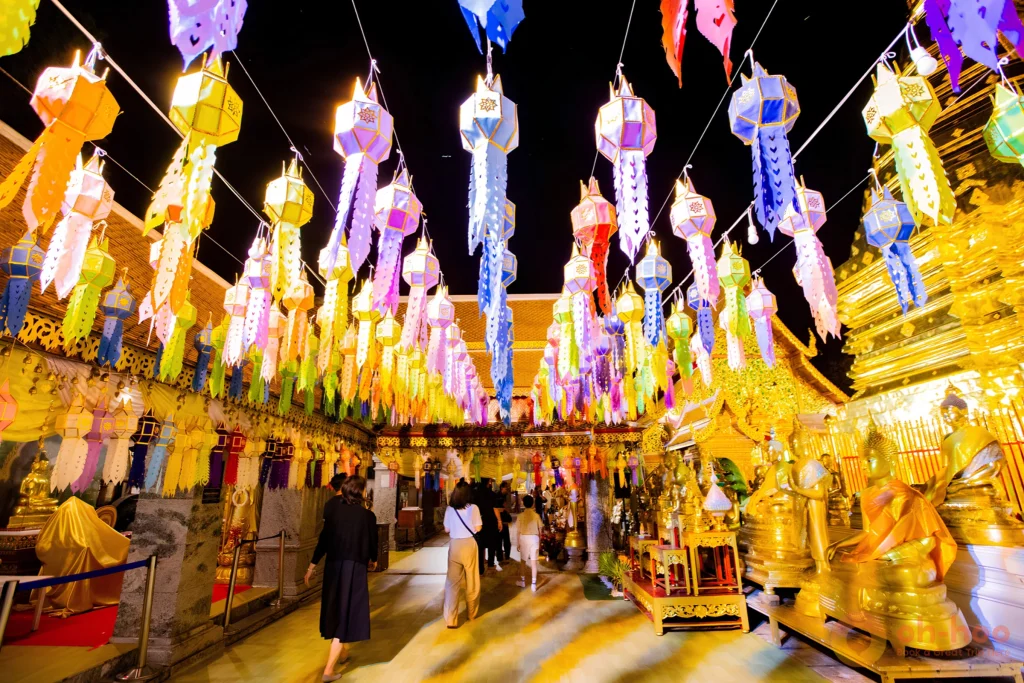
- 17:00 – 18:30 (Sunset & Evening): Head west to Wat Suan Dok to photograph white royal chedis against the sunset, or visit Wat Umong as night falls. If you visit in late November, city shrines are adorned with glowing hanging lanterns for the annual festival; plan your timing with our guide to the Yi Peng Lantern Festival in Chiang Mai.
Temple Etiquette & Dress Code
When visiting sacred Buddhist shrines across Thailand, observing respectful etiquette ensures a welcoming experience for both visitors and monastic residents:
- Dress Modestly: Shoulders, chest, and knees must be fully covered. Avoid sleeveless tops, tank tops, sheer fabrics, or short skirts/shorts. Lightweight linen trousers, long skirts, or light scarves worn over shoulders are ideal.
- Remove Footwear: Take off shoes, boots, and hats before stepping over the raised wooden thresholds of main worship halls (Viharn and Ubosot). Never step directly on sacred wooden door thresholds.
- Mind Your Seating Posture: When sitting on the floor inside assembly halls, tuck your legs behind you or sit cross-legged. Never point the soles of your feet directly at Buddha statues or monks, as feet are considered the lowest part of the body in Thai culture.
- Monk Etiquette: Show polite respect around Buddhist monks. Women must avoid physical contact with monks or handing items directly to them (items should be placed on a receiving cloth or table).
FAQ
Wat Phra That Doi Suthep is the absolute must-see mountain temple. Inside the Old City, Wat Phra Singh and Wat Chedi Luang are essential, while Wat Umong offers a unique forest-and-tunnel experience.
A comfortable schedule allows you to visit 4 to 5 temples per day without feeling rushed—such as 1 mountain temple in the morning, 2 to 3 Old City shrines in the afternoon, and 1 sunset temple in the evening.
Modest attire is required. Visitors must wear clothing that covers both shoulders and knees. Slip-on shoes are recommended, as you must remove footwear before entering interior halls.
Major historical sites charge small entrance fees for international visitors (typically 30 to 50 THB, such as at Doi Suthep and Wat Chedi Luang), which support shrine preservation and maintenance. Smaller neighborhood temples are usually free to enter.
Book Your Chiang Mai Temple Experience
Exploring Northern Thailand’s sacred landmarks in the cool season provides a deeply rewarding blend of history, architecture, and spiritual culture. Reserve your place on the Doi Suthep Temple Tour with Hmong Village from Chiang Mai today! Enjoy guided entry to Wat Phra That Doi Suthep, panoramic valley viewpoints, and an authentic Hmong hill tribe village visit with central hotel transfers included.