Loy Krathong 2026 in Thailand: Dates, Meaning & What to Expect
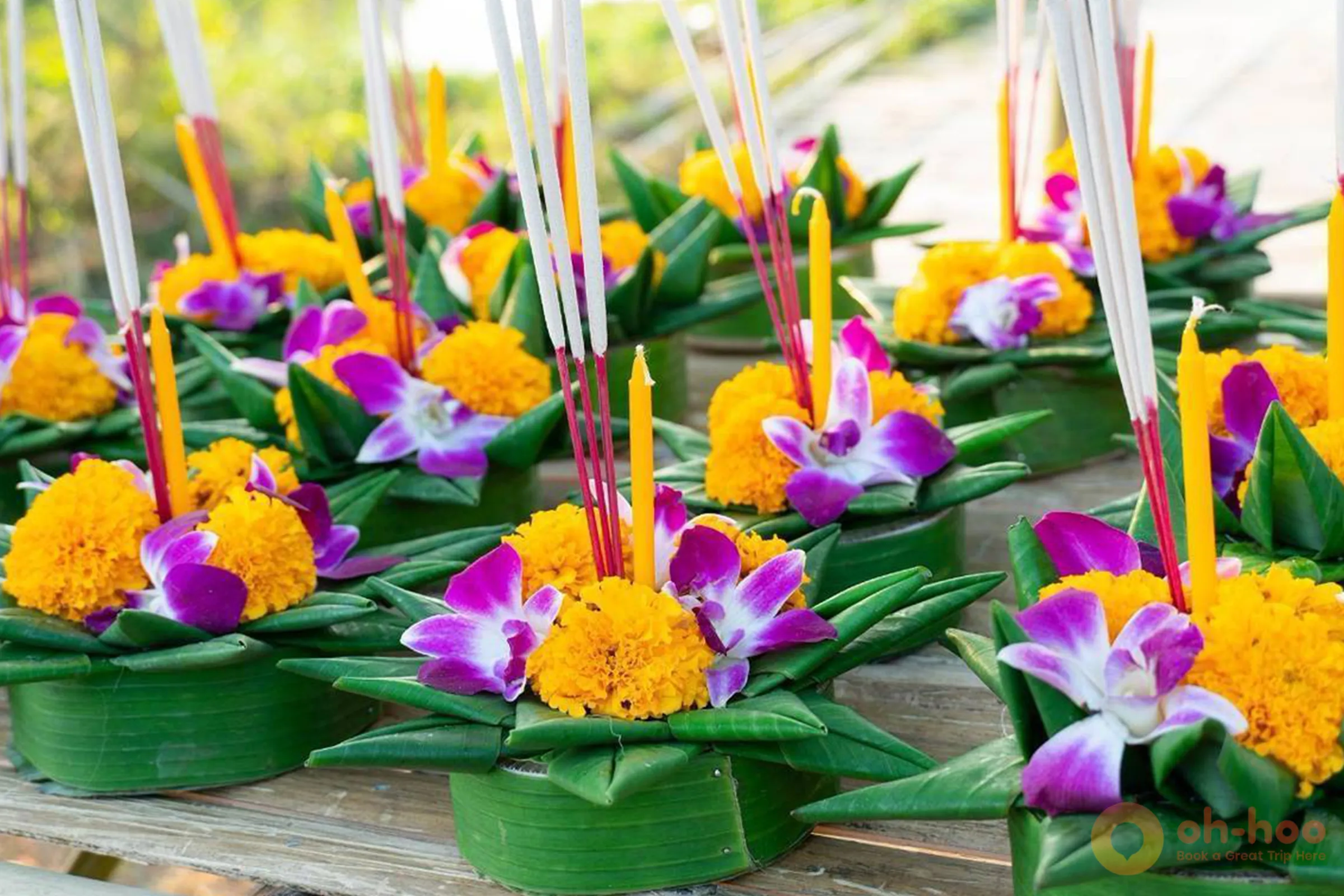
Quick Answer: Loy Krathong 2026 falls on Tuesday, 24 November 2026, coinciding with the full moon of the 12th Thai lunar month. Known as Thailand’s “Festival of Lights,” this deeply symbolic tradition involves floating decorated banana-leaf baskets (krathongs) on rivers, lakes, and canals to honor Phra Mae Khongkha (the water goddess) and release past misfortune. Far from a staged tourist event, Loy Krathong remains a deeply authentic, living tradition cherished by Thais nationwide, who gather with family and loved ones at local waterways every year. Whether you plan to float river baskets in Bangkok, join evening festivities alongside the overlapping Yi Peng Lantern Festival in Chiang Mai (23–25 November), or celebrate along Krabi’s beaches, this essential guide covers confirmed dates, spiritual meaning, step-by-step etiquette, and eco-friendly practices.
When Is Loy Krathong 2026?
Loy Krathong does not follow the Western solar calendar; instead, its exact date is determined by the traditional Thai lunar calendar. The festival takes place on the evening of the full moon of the 12th lunar month, which typically corresponds to mid-to-late November. For 2026, Loy Krathong officially takes place on Tuesday, 24 November 2026.
In northern Thailand, particularly in Chiang Mai, Loy Krathong is celebrated alongside Yi Peng, the Lanna sky lantern festival. In 2026, the city’s festive atmosphere extended across three days from 23–25 November 2026, with the peak full-moon celebrations taking place on the night of Tuesday, 24 November.
Planning your trip around major regional celebrations is easy when you check festival calendars well in advance. Much like preparing for the vibrant water splashes of Songkran in Thailand
Note for Travelers: Because the Loy Krathong date shifts every year according to the traditional Thai lunar calendar, be sure to verify the specific confirmed date for the exact year you plan to visit.
What Does Loy Krathong Mean?
The word “Loy” (ลอย) translates to “to float,” while Krathong (กระทง) refers to a small, hand-crafted lotus-shaped vessel or basket.
Rooted in ancient Hindu and Brahmanical traditions that merged over centuries with Theravada Buddhism, Loy Krathong serves three distinct spiritual purposes:
- Thanksgiving: Expressing gratitude to Phra Mae Khongkha (the water goddess) for providing water for daily life, agriculture, and nourishment throughout the year.
- Forgiveness: Apologizing for polluting, wasting, or misusing natural waterways during daily activities.
- Renewal: Floating away bad luck, negativity, and past grief to make a fresh wish for health, love, and prosperity.
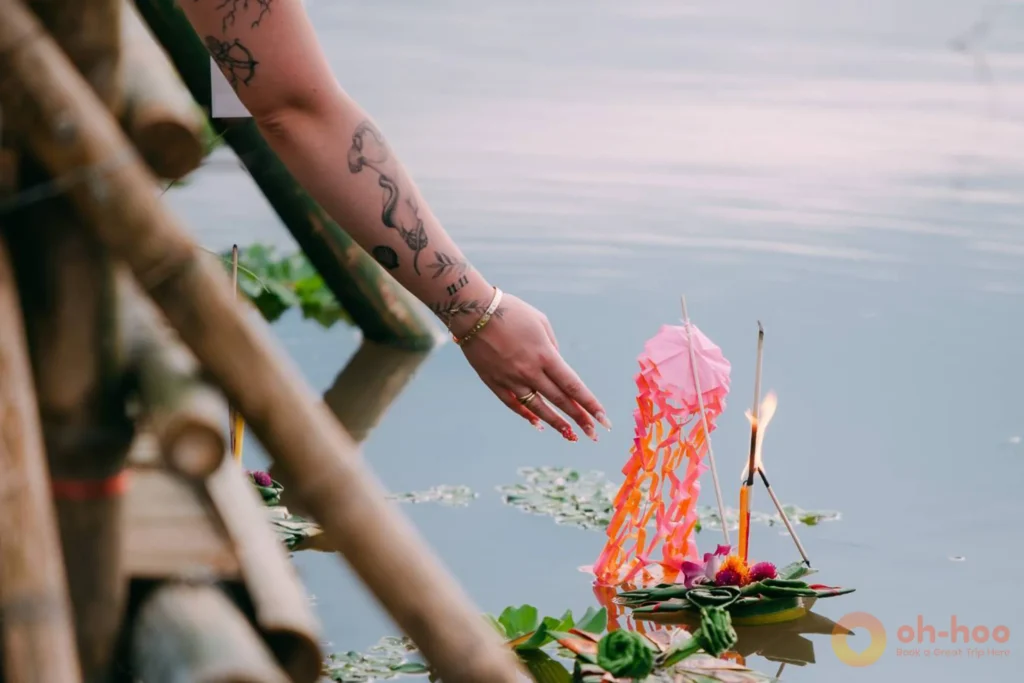
How to Float a Krathong (Step by Step)
Joining in the festivities is welcoming and straightforward for international visitors. If you are participating in Loy Krathong for the first time, follow this step-by-step ritual:
- Obtain an Eco-Friendly Krathong: Purchase a hand-woven banana-leaf basket at a local street market stall or hotel workshop. Ensure the base is crafted from a natural cross-section of a banana tree trunk or bread dough.
- Personalize Your Basket: Traditional custom involves placing small symbolic offerings inside, such as a small coin (for wealth and prosperity), along with a hair strand or fingernail clipping (symbolizing letting go of past illness or bad energy).
- Light the Candle and Incense: Hold your krathong with both hands, gently raising it to chest or forehead level.
- Make a Silent Wish: Close your eyes, offer a brief prayer of gratitude to the water spirit, apologize for water pollution, and state your personal wish for the future.
- Gently Launch Into the Water: Carefully lower yourself near the riverbank, pier, or pond edge. Gently place the basket into the water and push it lightly forward, watching it slowly drift away from the shore.
Celebrating Loy Krathong Responsibly
Modern travel brings a heightened awareness of environmental conservation. Visitors frequently ask whether launching hundreds of thousands of baskets into rivers creates lasting pollution. Fortunately, Thailand has made massive strides in transforming Loy Krathong into a sustainable, eco-conscious cultural event.
In recent years, city authorities, community groups, and local vendors have phased out non-biodegradable materials. The overwhelming majority of modern krathongs are built using natural banana leaves, trunk slices, marigold flowers, and biodegradable bread dough. Following the festival night, municipal cleanup teams work overnight to retrieve floating vessels from urban rivers and canals before they drift out to sea. According to BMA data, over 82% of collected baskets are 100% organic, with non-biodegradable foam usage steadily declining year over year.
Visitors can join the festivities responsibly by following these simple, positive sustainability guidelines:
- Choose 100% Organic Materials: Always buy baskets made from banana leaves, flowers, or baked bread. Avoid buying any vessel with synthetic foam, plastic decorations, or excessive metal staples.
- Share One Krathong Per Group: Couples, families, and travel companions can float a single Krathong together. Sharing one vessel creates a memorable experience while significantly reducing floating waste in natural waterways.
- Float in Designated Municipal Areas: Participate at official park ponds, temple grounds, or city riverfronts where environmental teams deploy retention booms to collect every vessel overnight.
- Observe Sky Lantern Regulations: If you are celebrating in Chiang Mai, release paper lanterns (Khom Loy) only during designated hours within permitted event zones. Sky lanterns are strictly prohibited in urban centers and near flight paths to protect aviation safety and historic wooden structures.
Where to Celebrate Loy Krathong
While every province in Thailand celebrates Loy Krathong near local waterways, three primary regions offer unforgettable settings for travelers.
Chiang Mai: Ping River Lights & Mountain Culture
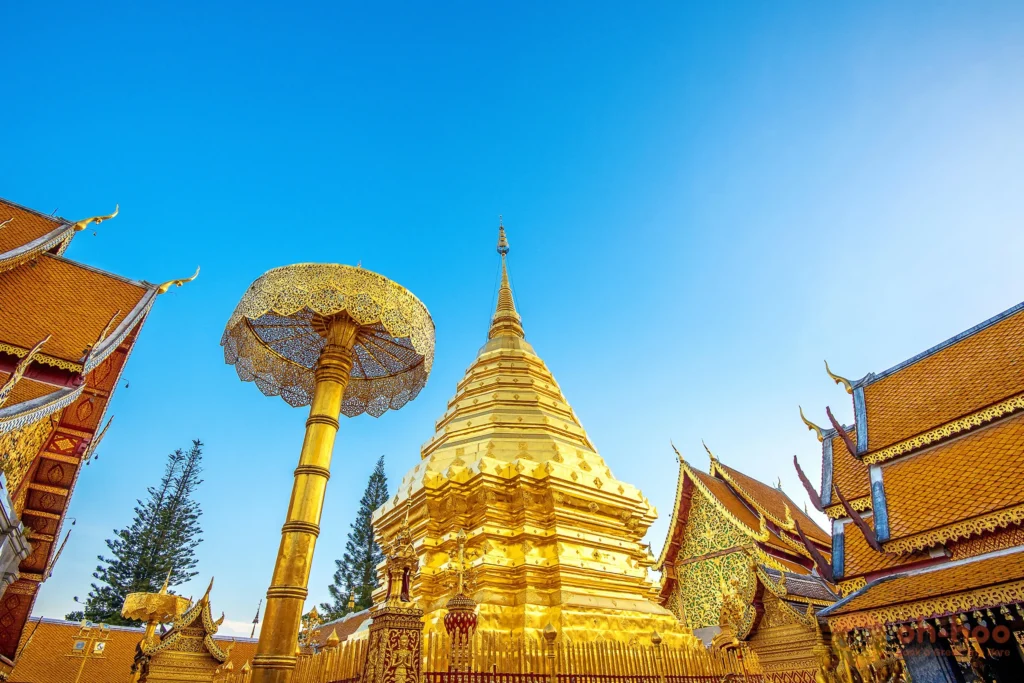
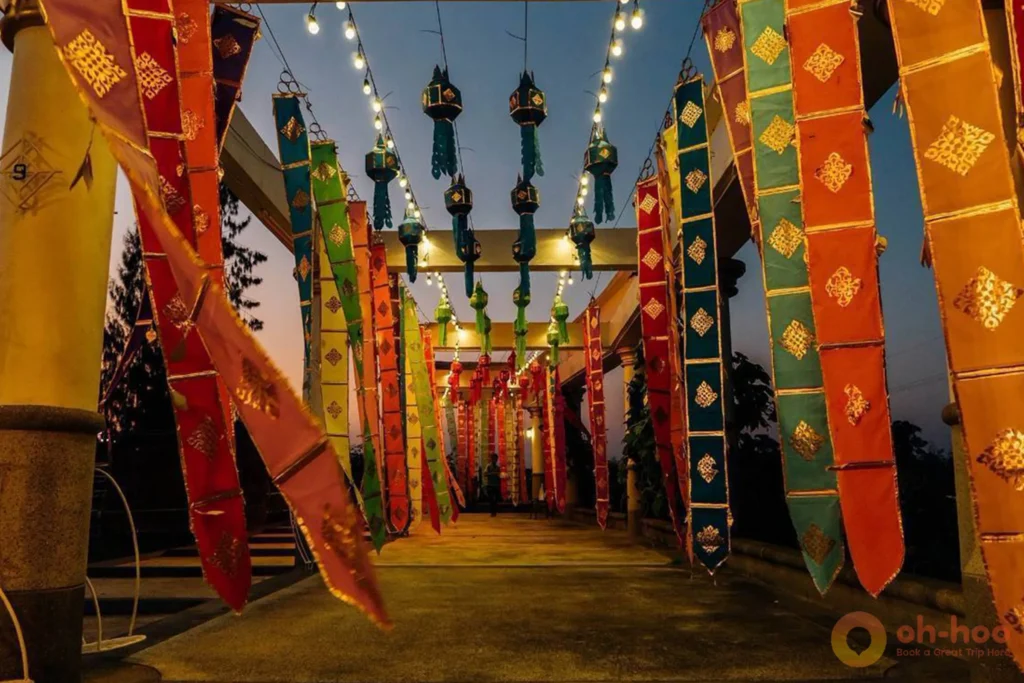
Chiang Mai is arguably the most famous location to experience late November, as Loy Krathong coincides with the northern Lanna festival of Yi Peng. The banks of the Ping River, Iron Bridge, and Nawarat Bridge glow with thousands of floating river baskets, while colorful hanging paper lanterns adorn ancient city moats, Lanna temples, and historic shophouses. You can explore the full schedule of lantern releases and parade routes in our complete guide to the Yi Peng Lantern Festival in Chiang Mai.
Spend your morning exploring sacred sites with a guided Doi Suthep Temple Tour with Hmong Village from Chiang Mai offers a smooth 4-hour morning excursion.
to visit Wat Phra That Doi Suthep and an authentic hill tribe village. Returning to the city by midday leaves your afternoon free before celebrating Loy Krathong along the Ping River. For details on transport and etiquette, check our guide on how to get to Doi Suthep.
Bangkok: Chao Phraya Riverfronts & Public Parks
In Bangkok, the Chao Phraya River is the heart of Loy Krathong, with landmarks like ICONSIAM, Asiatique, and Wat Arun hosting boat processions and performances. For a quieter atmosphere, public parks such as Lumpini and Benjakitti also open their lakes for floating.
Spend your day exploring Bangkok’s landmark temples on a guided Bangkok Grand Palace, Wat Pho & Wat Arun Tour before enjoying the evening festivities along the riverfront. If you’re looking for a romantic evening on the water, check out our recommendations in the Chao Phraya dinner cruise guide.
Krabi & the Andaman Coast: Seaside Lights & Island Sunsets
If your autumn holiday centers on Southern Thailand’s beaches, Loy Krathong takes on a relaxed coastal charm. In Krabi, celebrations center along the Paknam River in Krabi Town, as well as along Nopparat Thara Beach and Ao Nang promenade, where locals and visitors float candlelit baskets onto gentle ocean waves.
Pair your evening seaside celebration with an afternoon ocean trip. Joining the 7 Islands Sunset & Plankton Tour Krabi allows you to snorkel shallow reefs around offshore karst islets, enjoy a beachside sunset buffet, and swim with glowing bioluminescent plankton before returning to shore for the evening floating festivities.
Loy Krathong Etiquette & Tips
- Dress Respectfully: Loy Krathong is a spiritual cultural tradition. When floating baskets near temple piers or public parks, wear modest clothing covering shoulders and knees.
- Use Public Transit in Big Cities: Traffic around major riverfront venues in Bangkok and Chiang Mai can be extremely heavy on festival night. Use Bangkok’s BTS Skytrain, MRT subway, or public river boats, or walk along designated pedestrian zones in Chiang Mai.
- Be Mindful Around Open Flames: Baskets carry lit candles and incense sticks, and crowds near river ramps can be tight. Exercise care when handling lit items around children and traditional clothing.
- Protect Your Valuables: Keep phones and cameras secure in dry bags or zipped pockets when leaning over water ramps or boarding floating piers.
- Book Early: Reserve your hotel rooms and day excursions well in advance for Loy Krathong week, as accommodations and tours sell out quickly across major host cities.
- Check Air Quality: Loy Krathong coincides with the beginning of the cool season when air quality in Northern cities like Chiang Mai can occasionally vary. Check local AQI forecasts and consider carrying a mask if you are sensitive to smoke from lantern burning or festive pyrotechnics.
FAQ
Loy Krathong 2026 falls on Tuesday, 24 November 2026. In Chiang Mai, celebrations overlap with the Yi Peng Lantern Festival from 23–25 November 2026.
Loy Krathong is celebrated nationwide by floating decorated banana-leaf baskets (krathongs) on water to honor the water goddess. Yi Peng is a northern Lanna tradition unique to Chiang Mai where paper lanterns (Khom Loy) are released into the night sky. Both take place simultaneously during the November full moon.
Yes! Taking a morning Doi Suthep tour is an ideal way to visit Chiang Mai’s most iconic mountain temple and a Hmong hill tribe village, returning to the city by midday in plenty of time for evening festival activities.
Modern celebrations prioritize sustainability. Over 80% of baskets are made from 100% natural, organic banana leaves, flowers, or bread dough. Municipal teams collect floating baskets from public waterways overnight for proper composting and disposal.
Yes! International visitors are warmly encouraged to join in. You can buy handmade organic krathongs from local street vendors near public riverfronts, parks, and temples.
Experience the Magic of Loy Krathong 2026
Floating a candlelit basket down a quiet Thai river under the November full moon is an unforgettable travel memory. By combining evening riverfront celebrations with morning temple visits and cultural day excursions, your autumn holiday in Thailand will be rich with culture, history, and festive light.
Book a guided Doi Suthep tour today! Visit Wat Phra That Doi Suthep, take in panoramic city views, explore an authentic Hmong hill tribe village with the Doi Suthep Temple Tour with Hmong Village from Chiang Mai, and return in time for evening Loy Krathong festivities.