Thailand’s Green Season: Why the Rainy Months Are Worth Experiencing
Searching for information on the rainy season Thailand often brings up endless advice on how to avoid the weather. That approach misses the point entirely.
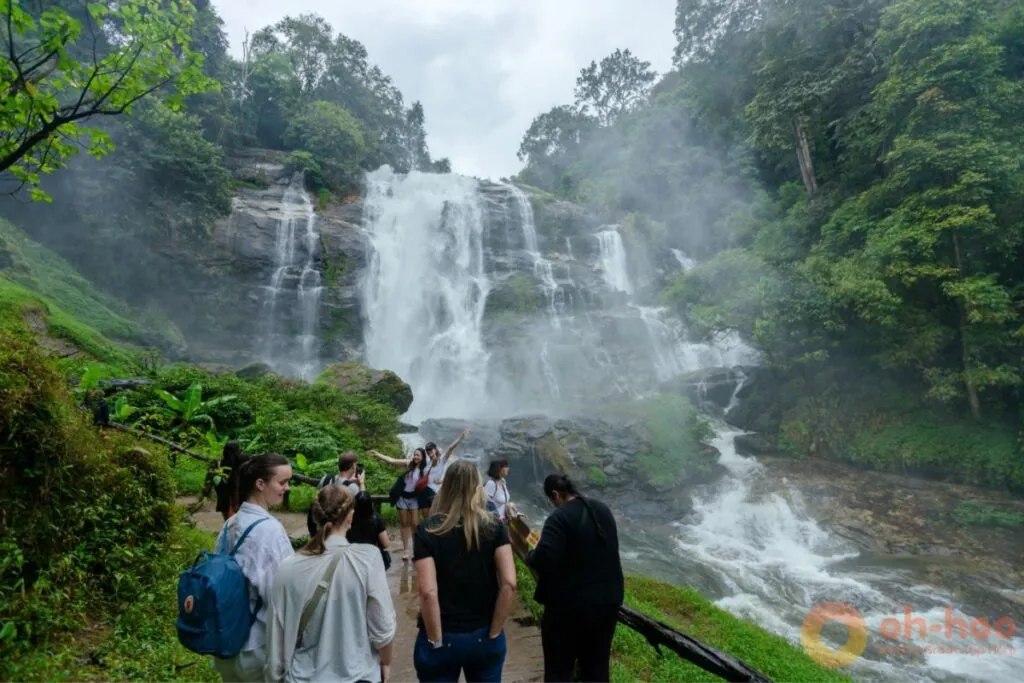
Experiencing the Thailand rainy season reveals a dramatically different landscape that you simply cannot witness during the dry months. Waterfalls run with immense power. The jungle turns a luminous, vibrant green. Limestone karsts disappear into atmospheric mist.
This is not a guide to surviving bad weather. It is a guide to choosing experiences that make sense because the landscape is wet, green and changing. The green season does not mean continuous daily rain. You will typically experience sudden showers followed by warm, dry periods.
However, strong monsoon systems can bring continuous rain, high swells, and occasional boat cancellations. The Tourism Authority of Thailand notes that the country is shaped by both the summer and winter monsoons.
Is Thailand’s Rainy Season Worth It?
Yes, traveling during Thailand’s wetter months can be one of your most rewarding journeys if you maintain flexible plans. Tropical weather rarely follows a strict calendar: even peak-season days can bring sudden rain, just as low-season mornings often reveal perfectly clear, beautiful skies. Waterfalls run fuller, rainforest landscapes turn intensely green, popular sights often feel less crowded, and afternoon storms often leave dramatic skies behind.
You also benefit from better accommodation availability and often lower seasonal rates. The primary trade-off is straightforward: sea conditions can occasionally cancel boat trips. Building in comfortable, land-based alternatives ensures your vacation remains seamless.
Why the Green Season Can Be a Great Time to Travel
Thailand Turns Green Fast
Once the seasonal rains establish their rhythm, the transformation is immediate and striking. Rice fields, dense jungle canopies, and hillside vegetation erupt into vibrant life. The landscape shifts from dry, dusty tones to deep, rich greens.
This lush environment creates phenomenal conditions for nature photography and scenic road trips.
Big Sights Can Feel Less Pressured
Traveling during the shoulder or low season brings a slower, more flexible pace with less pressure on iconic sights. With better accommodation availability and fewer crowds, you can easily adapt your schedule each day without the stress of sold-out tours.
Storm Light Can Be Part of the Experience
The atmosphere after a tropical rainstorm is uniquely cinematic, as low clouds wrap around towering limestone karsts and shafts of sunlight pierce through the canopy. This storm light creates a moody, immersive beauty that sets the rainy season apart from the flat blue skies of dry months.
Experiences That Can Be Better in the Rain
White-Water Rafting on Fuller Rivers

The green season injects immense energy into river-based adventures. While you can raft year-round thanks to scheduled dam releases, the experience shifts dramatically during the wetter months. Higher natural water volumes make the rapids feel authentically dynamic, thrilling, and fast-paced.
Book your seamless adventure today on the 5km White Water Rafting & Jungle Tour Phuket to experience the Song Phreak River in Phang Nga. Alternatively, you can invest in an unforgettable experience with the White Water Rafting Tour from Krabi.
Waterfalls at Their Most Dramatic in the Rain
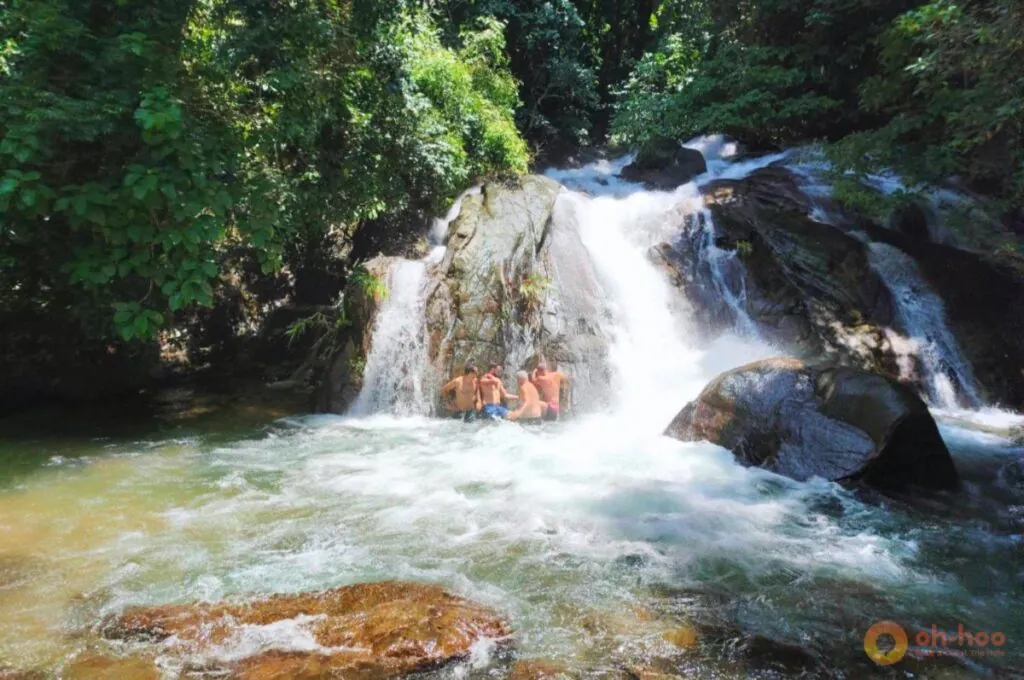
Forest waterfalls transform into powerful natural spectacles during the wetter months. Exploring the trails in Khao Lak or Khao Sok immerses you in the raw energy of the jungle, where roaring water and mist-covered canopies highlight the landscape at its most dramatic. Safety remains the absolute priority: wet rocks are slippery, and flash flooding can occur rapidly, so always heed local park closures and follow guide instructions near high water levels.
Plan your waterfall adventure safely by exploring high-value nature trails in our Khao Lak Waterfall & Jungle Tour guide.
Cheow Lan Lake in the Mist
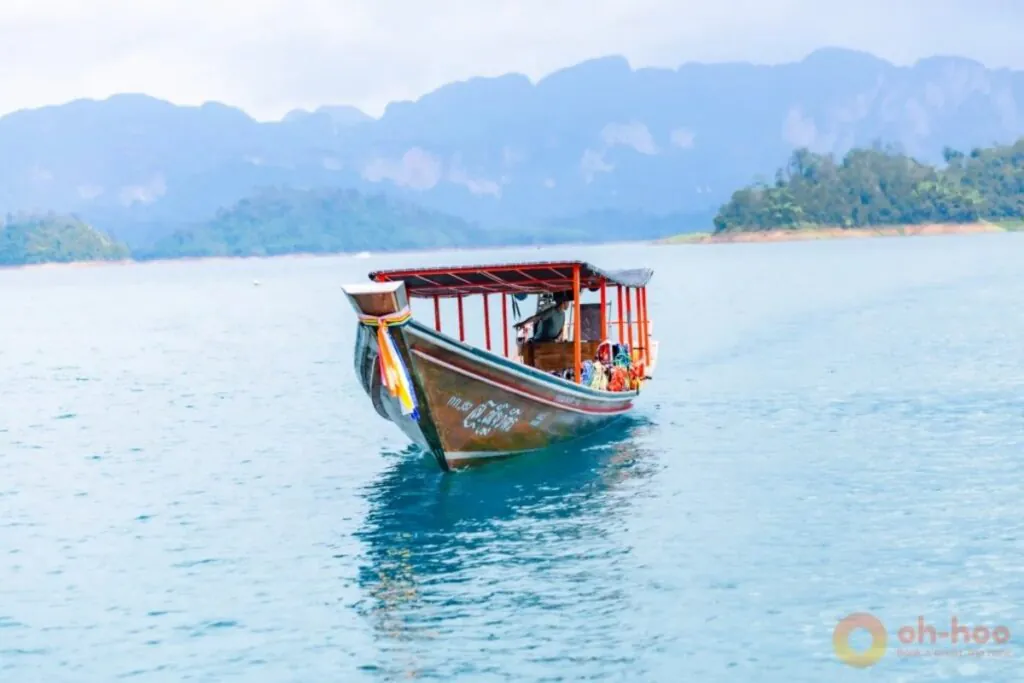
Mornings on Cheow Lan Lake feel entirely otherworldly during the wetter months. Thick mist rolls through the ancient rainforest and hovers just above the emerald water. The dramatic limestone karsts slice through the low clouds, creating a deeply immersive, atmospheric environment.
To plan this visually striking inland alternative to your coastal days, read more travel insights in our Cheow Lan Lake / Khao Sok Guide. Keep in mind that heavy rain can alter specific cave tour itineraries, ensuring your safety always remains the priority.
A Thai Cooking Class When the Clouds Roll In

If you have never taken a Thai cooking class before, the rainy season provides the ultimate opportunity to dive in. Thai cuisine does not rely on rigid, exact recipes; instead, it centers on understanding foundational principles and balancing key flavor profiles that you can easily recreate at home. Taking a class is fun, highly educational, and serves as a 100% rainproof activity that perfectly solves any wet-weather itinerary challenges.
Book your insider culinary experience on the Thai Cooking Class Khao Lak, featuring a vibrant morning market visit or an afternoon dessert focus. You can also secure your thoughtfully paced itinerary at the Blue Elephant Cooking School Phuket for a masterful introduction to Thai cuisine.
Two Coasts, Two Monsoons: More Choices, Not a Weather Escape
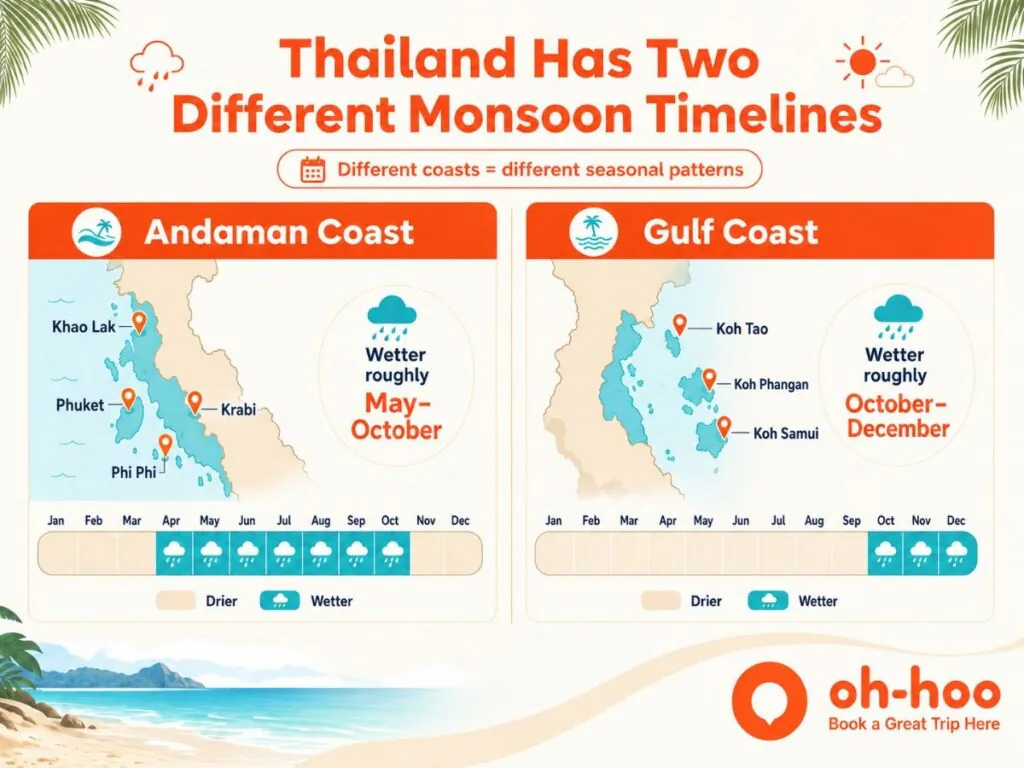
Locals in Southern Thailand often describe the climate with a famous saying: “Eight months of rain, four months of sun.” Rain is not an anomaly or a disruption here. It is the natural baseline of the south.
Think of the rain as the catalyst for the region’s beauty. It takes just two or three days of showers for the surrounding limestone mountains to burst into life. The air completely clears, visibility sharpens, and the entire landscape transforms into a deeply fertile green.
Fortunately, Thailand’s coastline does not share a single, uniform weather pattern. This geographic reality gives you more choices during the monsoon season in Thailand. The country is shaped by two distinct weather systems, meaning the Gulf and the Andaman coasts experience their heaviest rainfall at entirely different times of the year.
| Coast | Main Destinations | Wetter Period, Roughly | What That Means |
| Andaman / West Coast | Phuket, Krabi, Khao Lak, Phi Phi, Koh Lanta | Roughly May–October | More rain, stronger swell, more boat disruption; jungle/waterfall activities shine. |
| Gulf Islands | Koh Samui, Koh Phangan, Koh Tao | Roughly October–December | Mid-year can offer comparatively drier beach options; late-year rain can affect crossings. |
The Andaman Green Season
Phuket, Krabi, Khao Lak, Koh Lanta, and Phi Phi receive the strongest influence from the Southwest Monsoon roughly between May and October. The jungle thrives during this time, but sea conditions require flexible planning.
For a deeper understanding of these patterns, see more insider recommendations in the Best Time to Visit Phuket guide and read more travel insights about the Best Time to Visit Krabi guide.
You can also review our Krabi Green Season overview.
Koh Samui’s Rainy Season Comes Later
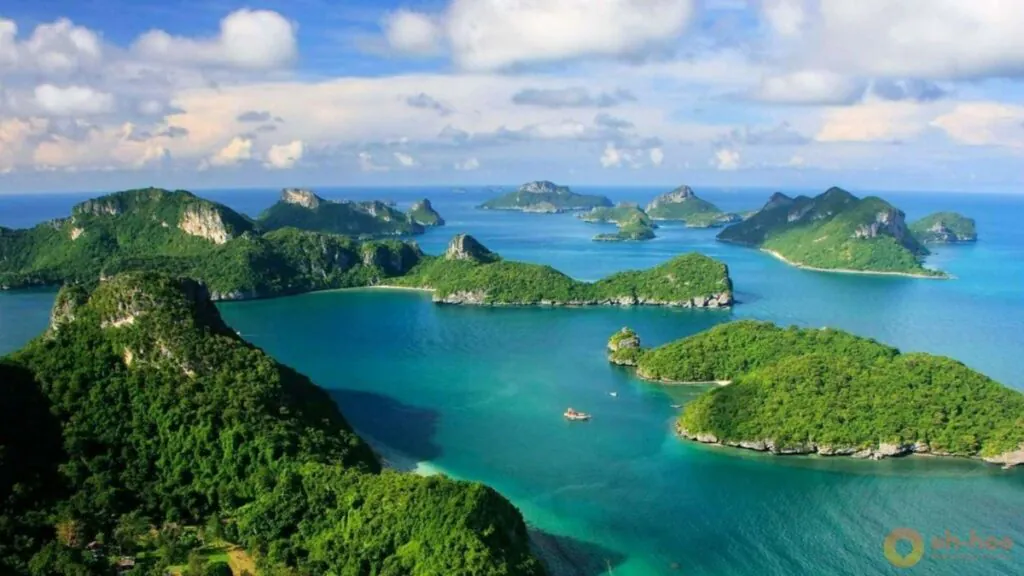
The Koh Samui rainy season arrives much later in the year. The Gulf of Thailand operates on a completely different weather timeline, pushing its heaviest rain toward the final months.
During July and August, the Gulf islands often provide a comparatively drier alternative to the Andaman coast. Weather remains variable and is never guaranteed, but this regional shift offers a strategic advantage. Explore high-value travel strategies in our Sea of Thailand: We Can Travel in All Seasons guide.
Plan B Days: When the Sea Says No
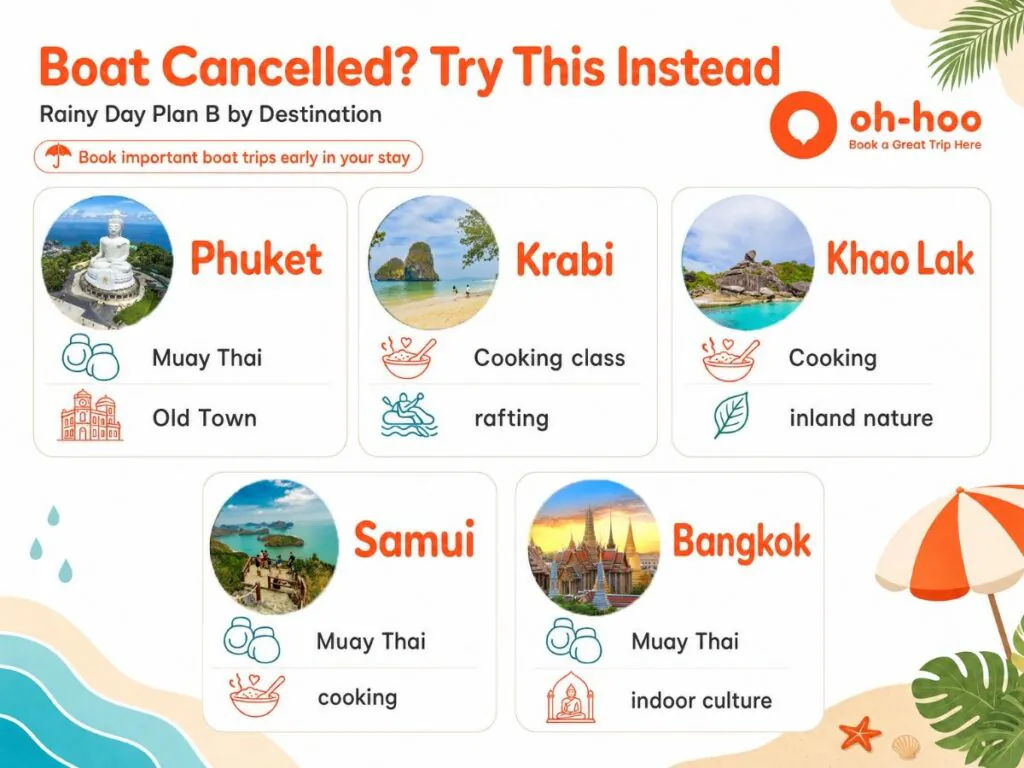
If Your Boat Trip Is Cancelled
It is completely natural to feel disappointed if your boat trip is suddenly cancelled, but try not to let it upset your day. Operators only make this difficult call when sea conditions become genuinely severe. Every cancellation means your absolute safety is being prioritized above all else.
Marine safety rests firmly with the captains and tour operators. They evaluate wind speed, wave height, and official safety warnings before every departure. You cannot insist a boat departs if the operator deems it unsafe.
You can track these conditions directly through the Thai Meteorological Department Shipping Weather Forecast.
When weather makes sea travel unsafe, operators typically offer to reschedule your trip to another available day, provide an alternative land-based tour, or process a refund based on their specific booking conditions. Review our Thailand Tour Reschedule Policy to understand exactly how we manage these transitions.
Planning Tip: Book important boat tours early in your trip rather than on your final full day. This simple strategy leaves you room to reschedule if the conditions change.
Plan B by Where You’re Staying
Phuket

Keep your schedule flexible with engaging indoor activities Phuket has to offer. Watch a thrilling cultural sport and book your insider experience at Bangla Boxing Stadium. For a spectacular evening that does not rely on the sea, secure your seamless journey with a Phuket FantaSea Show Ticket. You can also explore Old Town cafés and museums depending on your preferences.
Krabi
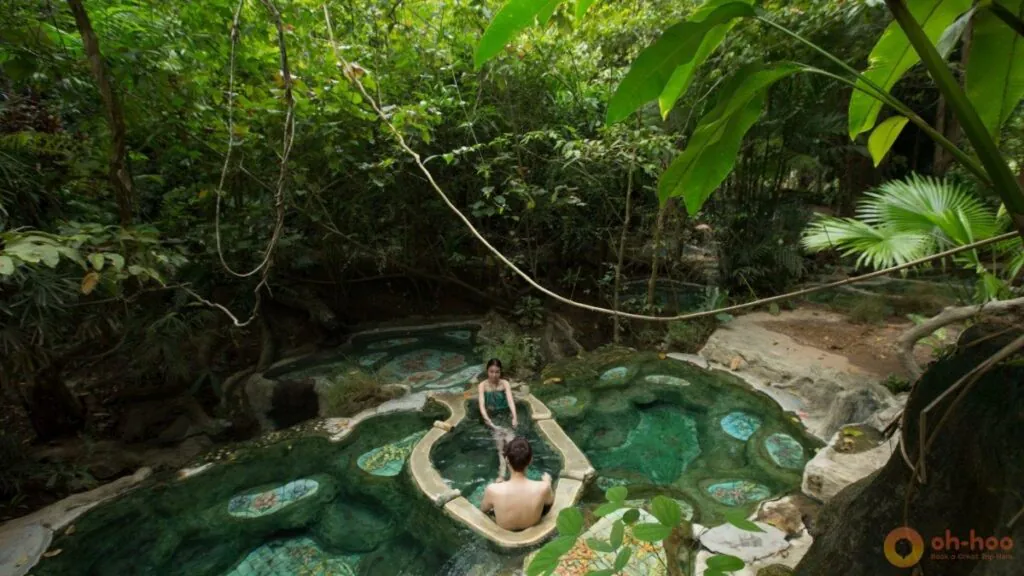
If you wake up to a grey sky, or a fine rain that looks set to last all day, trade the boat for warm water of a different kind. Wareerak Hot Spring sits in the rainforest of Krabi Province, with mineral hot pools, cold plunge pools, Thai massage and a wellness lunch.
Sitting in a warm pool while the rain falls on the jungle around you is one of the few things that feels better in a drizzle than in full sun. Programs run 3–5 hours, so a Wareerak Hot Spring & Wellness day fits easily into a morning or an afternoon.
Khao Lak
Divide your fallback options into weather-resilient and weather-dependent choices. Thai cooking classes are highly weather-resilient and usually run whatever the weather. For a non-sea outdoor option, book your insider experience on the Khao Lak Temple Bamboo Rafting Tour & Waterfall. Note that even river trips will halt if the water current becomes too strong.
Koh Samui and Koh Tao
Step into the electrifying atmosphere of a live martial arts arena. Secure your thoughtfully paced evening with a Phetchbuncha Samui Muay Thai Ticket, or read more travel insights in our Samui Muay Thai Guide to prepare for the night. Cooking classes also serve as excellent fallback options on the islands.
Bangkok
The capital excels at indoor culture and vibrant markets. Explore high-value experiences in our Muay Thai in Bangkok: Rajadamnern vs Lumpinee guide.
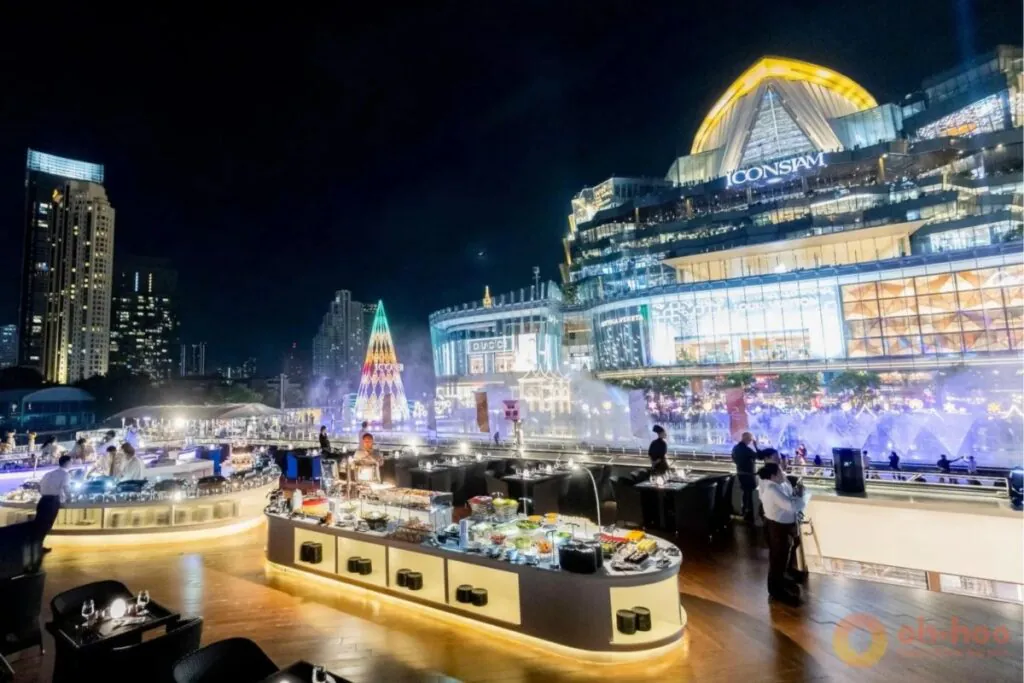
Alternatively, glide past illuminated temples on the river. See more insider recommendations in our Bangkok Dinner Cruise: What to Expect guide. Keep in mind that open-deck vessels still respond to heavy weather, so river conditions matter.
Making the Most of Thailand’s Green Season: Safety and Packing
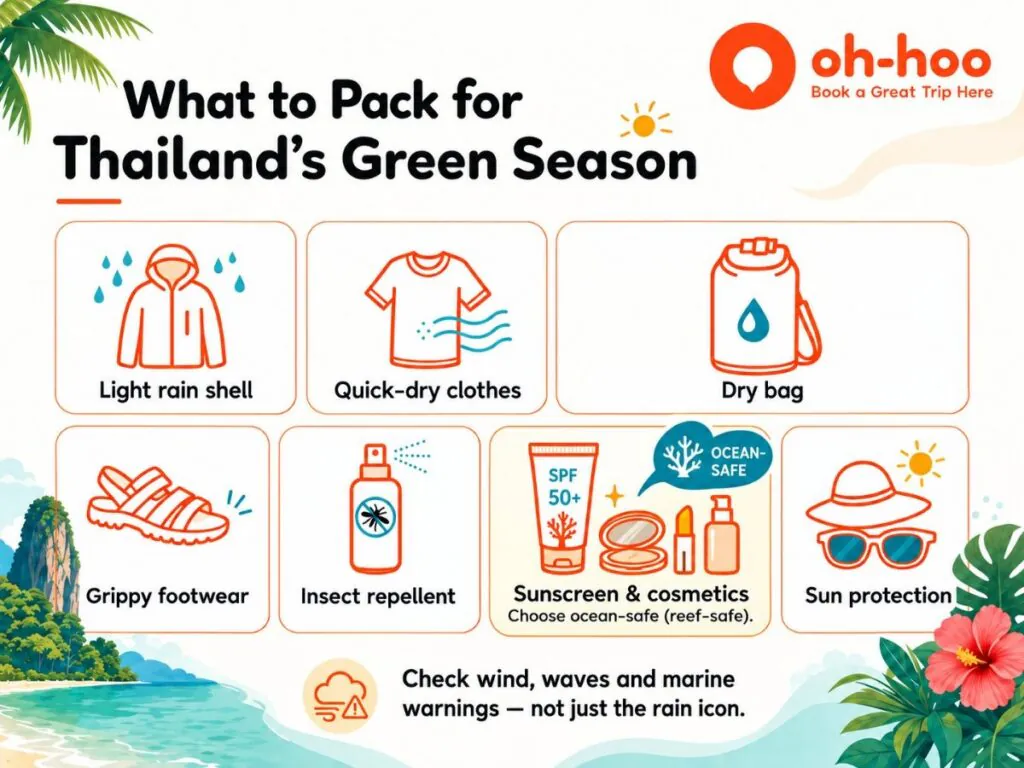
Check the Marine Forecast, Not Just the Rain Icon
Your weather app’s rain percentage tells only half the story. Boat safety relies entirely on wind speed, wave height, and thunderstorm warnings. Trust the marine forecast and the local operators over a generic weather icon on your phone.
Respect Red Flags on the Beach
The southwest monsoon generates strong swells along the west-facing Andaman beaches. Red warning flags are non-negotiable markers indicating dangerous rip currents. Never enter the water when these flags are flying.
Keep in mind that at iconic ecological sites like Maya Bay, swimming is strictly prohibited year-round to protect the coral. Whether it is a sunny peak-season day or the height of the green season, no means no when it comes to entering these protected waters.
Pack for Humidity, Not Cold Rain
Comfort requires smart packing for a wet, tropical climate.
- Breathable rain shell and quick-dry clothing for long excursions.
- Reliable dry bag and a water-resistant phone pouch to protect valuables.
- Footwear with strong grip for navigating slippery trails.
- Sun protection and insect repellent, alongside lightweight long trousers. (Pack leech socks only if your guide explicitly recommends them).
Frequently Asked Questions About Thailand’s Rainy Season
Is it worth visiting Thailand in the rainy season?
Yes. Enjoy greener landscapes, dramatic waterfalls, and a flexible pace, just keep a backup plan ready for sudden showers or rough sea days.
What is Thailand’s green season?
“Green season” is the travel term for the wetter months when landscapes turn lush and vibrant, with the exact timing varying between the two coastlines.
Do boat tours still run in the rainy season?
Yes. Rain alone does not cancel a trip; operators only postpone or reschedule if strong winds, high waves, or official warnings compromise your safety.
Which part of Thailand is driest in July and August?
The Gulf islands (Koh Samui, Koh Phangan, Koh Tao) are typically drier in July and August compared to the Andaman coast, though daily weather always varies.
Do I get a refund if my tour is cancelled because of the weather?
If an operator cancels for safety, you are typically offered a rescheduled date, an alternative tour, or a refund according to your specific booking conditions.
For detailed information, review our Thailand Tour Reschedule Policy.
Summary: Thailand’s Rainy Season Is a Different Trip, Not a Lesser One
Travelling in Thailand’s rainy season means fuller waterfalls, greener jungle and quieter sights, and with the monsoon arriving at different times on each coast, there’s almost always somewhere worth going. Leave room to change the boat day, keep one inland plan ready, and the green season can give you an atmosphere the dry months simply can’t.
If you’re staying in the south, Phuket’s tours and day trips include plenty of inland options for a day when the sea is too rough, from rainforest rafting to Cheow Lan Lake. Starting in Bangkok? Bangkok’s tours and things to do cover the city’s indoor highlights and day trips out to waterfalls and floating markets.