Best Time to Visit Chiang Mai: Month-by-Month (Cool-Season Guide)
Quick Answer: The best time to visit Chiang Mai is during the cool season from November to February, featuring clear skies, pleasant temperatures (15°C–28°C), and iconic cultural events like the Yi Peng Lantern Festival. The rainy season (June to October) offers lush green mountain landscapes and full waterfalls, while the hot season (March to May) is warm yet festive during Songkran.
Chiang Mai is Thailand’s undisputed northern cultural and mountain capital, surrounded by lush peaks, centuries-old temples, and serene cloud forests. Deciding when to make the journey depends heavily on what kind of trip you want. Whether you are coming to catch the golden sunset over the Ping River, trek through emerald national parks, or stand above a sea of mist at the roof of Thailand, each season offers its own distinct appeal.
While the city is widely celebrated for its crisp, sunny winters, understanding how the climate shifts across the entire year helps you plan better, dress properly, and time your day trips smoothly. If you are still weighing whether Northern Thailand fits into your broader travel plans, reading our breakdown on Is Chiang Mai Worth Visiting? offers a helpful foundation before diving into the seasonal specifics below.
Chiang Mai Seasons at a Glance
Chiang Mai’s tropical climate is divided into three main seasons. As of 2026, climate data from the Thai Meteorological Department (TMD), temperatures in the valley floor vary significantly from the high-altitude peaks surrounding the city.
| Season | Months | Average Temp (°C) | Rainfall Expectation | Best Suited For |
|---|---|---|---|---|
| Cool Season | November – February | 15°C – 28°C | Very Low (Dry) | Clear mountain views, outdoor sightseeing, Yi Peng festival & culture |
| Hot Season | March – May | 24°C – 38°C+ | Low to Moderate | Songkran water festival, early-morning mountain escapes, lower hotel rates |
| Rainy (Green) Season | June – October | 23°C – 32°C | High (Afternoon showers) | Lush rice terraces, roaring waterfalls, fewer crowds & green scenery |
Chiang Mai Weather Month by Month
To give you a complete picture for pre-trip planning, here is what to expect across all twelve months in Chiang Mai, including local events and ideal mountain sightseeing conditions.
January
January brings some of the coolest weather of the year, with valley temperatures ranging between 14°C and 28°C. Clear blue skies make it perfect for city walks and morning mountain ascents. Up on Doi Inthanon, early temperatures can drop to 0°C–5°C with morning frost. The cool air ensures pristine, long-range views from the golden terrace of Wat Phra That Doi Suthep.
February
February remains dry and pleasantly warm during the day (16°C–32°C). The annual Chiang Mai Flower Festival takes place during the first weekend of February, filling Buak Hard Public Park with vibrant tropical floral displays and parades. Towards late February, the atmosphere transitions into the early hazy season, making early morning visits to viewpoints the best strategy for photography.
March
March marks the onset of the hot season, with daily highs climbing to 35°C. Agricultural burning across the broader region creates a seasonal haze across northern valleys. While sightseers should check local air-quality indices and plan outdoor mountain trips early in the day, high-altitude spots like Doi Inthanon offer a cool refuge, running 10°C to 15°C cooler than the city floor.
April
April is the hottest month in Chiang Mai, frequently exceeding 38°C in the afternoon. The entire city comes alive from April 13 to 15 for Songkran (Thai New Year), turning the historic Old City moat into the country’s most vibrant water fight. It is an unforgettable cultural celebration, provided you prepare to get soaked and store your electronics in waterproof bags.
May
May acts as the transition month from heat to humidity. Temperatures average between 24°C and 34°C, accompanied by sporadic evening thunderstorms that begin to clear the air. Tourist numbers drop, offering a quieter atmosphere at key city temples and lower room rates across Nimman and the Old City.
June
June kicks off the green season. Rain typically arrives in brief, predictable afternoon showers rather than day-long downpours, leaving mornings bright and fresh. Temperatures hover around 24°C–32°C. The surrounding countryside turns a brilliant emerald green, and mountain cascades like Wachirathan Waterfall begin building power.
One of the best green-season day trips is the Doi Suthep Temple and Sticky Waterfall One Day Tour From Chiang Mai. After visiting the golden chedi at Wat Phra That Doi Suthep and the quiet forest temple of Wat Pha Lad, set beside its own small waterfall, you continue to Bua Tong Sticky Waterfall. Its limestone surface lets you climb up the cascades barefoot. The 8-hour trip includes hotel pickup in Chiang Mai town, entrance fees, lunch, and a stop at an orchid and butterfly farm.
July
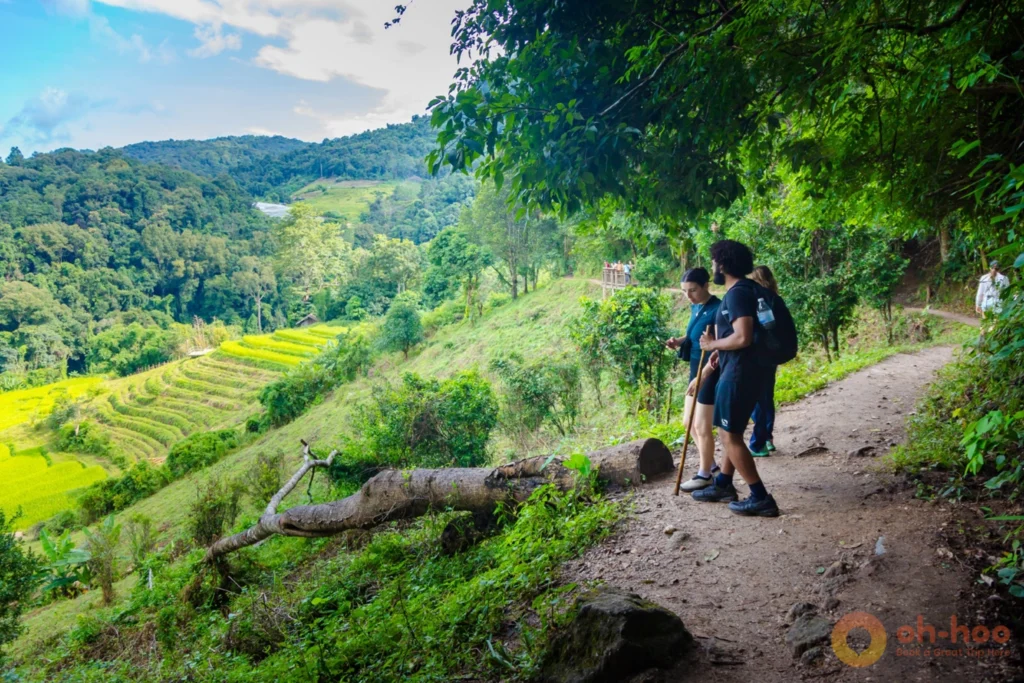
July features lush landscapes and comfortable temperatures (24°C–31°C). Rain falls on roughly half the days of the month, usually in short bursts. It is a fantastic time for nature photography, particularly around the Karen farming village of Ban Mae Klang Luang, where terraced rice paddies are freshly planted and bright green.
August
August is one of the wetter months in Northern Thailand, with steady rainfall nourishing the forest canopy. While hiking trails like Kew Mae Pan close seasonally for natural recovery, major waterfalls such as Wachirathan and Mae Klang reach their maximum volume, creating impressive photo opportunities for visitors who don’t mind a bit of mist.
September
September sees the peak of the rainy season, with high humidity and frequent showers (23°C–30°C). Despite the rain, mornings are often dry and peaceful. The rice terraces at Ban Mae Klang Luang reach their peak lushness, making it a favorite month for landscape photographers and travelers seeking low-season tranquility.
October
October brings the end of the rains as cool winds begin to sweep down from China. Temperatures drop comfortably to 21°C–31°C, skies clear, and the rice fields turn from vibrant green to golden yellow ahead of the harvest. It is an ideal shoulder month to visit before the peak winter crowds arrive.
November
November marks the official start of the peak cool season (19°C–30°C) and is widely considered one of the best months to visit Chiang Mai. The atmosphere is magical during the Yi Peng Lantern Festival and Loy Krathong. As of 2026, the festival’s main events take place from November 23 to 25, with the peak lantern release occurring on November 24. For a full breakdown of event tickets and locations, consult our detailed guide to the Yi Peng Lantern Festival 2026.
December
December delivers crisp winter days and chilly nights (15°C–28°C), requiring a light jacket or sweater after dark. Mountain viewpoints offer crystal-clear visibility over the valley, and cool-climate flower gardens around the Royal Agricultural Station Inthanon are in full bloom. Advance bookings for hotel rooms and tours are strongly recommended during this peak holiday period.
The cool evenings are also perfect for a traditional Lanna night out. The Khum Khantoke Dinner and Cultural Show in Chiang Mai serves a northern Thai Khantoke set on a round rattan tray, followed by live folk music and classic Lanna performances such as the candle dance and sword dance. Vegetarian and halal menus are available, and hotel transfers can be added.
Chiang Mai Monthly Weather Data Summary
The following climate statistics reflect historical averages compiled from official Thai Meteorological Department (TMD) Chiang Mai station records (as of 2026):
| Month | Avg High (°C) | Avg Low (°C) | Rainfall (mm) | Rainy Days |
|---|---|---|---|---|
| January | 29.8 | 14.2 | 7.2 | 1 |
| February | 32.7 | 15.7 | 11.6 | 1 |
| March | 35.2 | 19.3 | 19.1 | 2 |
| April | 36.5 | 22.9 | 57.2 | 5 |
| May | 34.2 | 23.8 | 158.4 | 12 |
| June | 32.7 | 24.0 | 132.6 | 14 |
| July | 31.9 | 23.8 | 161.3 | 16 |
| August | 31.4 | 23.6 | 218.2 | 18 |
| September | 31.5 | 23.2 | 212.8 | 17 |
| October | 31.4 | 21.8 | 117.6 | 11 |
| November | 30.1 | 19.0 | 52.0 | 4 |
| December | 28.5 | 15.1 | 14.0 | 1 |
Why the Cool Season Is Peak Season
The months between November and February represent Chiang Mai at its absolute finest. Low humidity, minimal rainfall, and daytime temperatures comfortable for walking mean you can explore open-air markets, historic temples, and mountain trails without the tropical heat taking a heavy toll.
Morning mists settle gracefully over the Ping River valley, while evening temperatures drop low enough to make outdoor dining in the Old City or Nimman a delight. However, because this is peak travel season across Thailand, flights, boutique hotels, and popular guided excursions fill up quickly. Booking your accommodation and key day trips 2 to 3 months in advance is the best way to secure your preferred dates.
When to See Chiang Mai’s Mountain Highlights
Chiang Mai’s iconic day trips center on two famous peaks: Doi Suthep and Doi Inthanon. Timing your visit to these sacred heights ensures you catch the best weather, clearest views, and most comfortable conditions.
Doi Suthep Temple & the Hmong Village
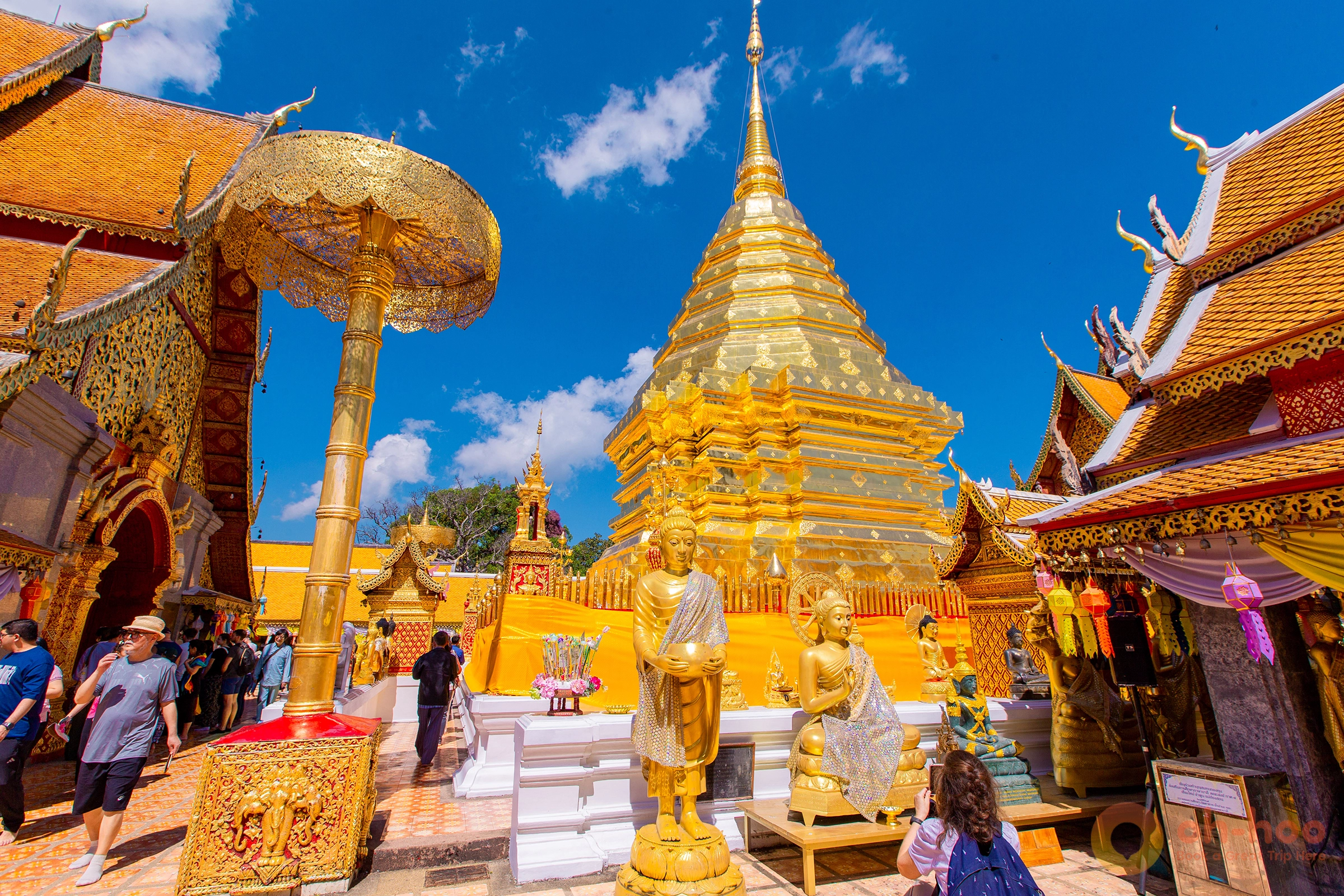
Perched on the mountain slope directly overlooking the city, Wat Phra That Doi Suthep is Northern Thailand’s most revered sanctuary. Established in 1383, the temple complex centers around a magnificent golden chedi that gleams brilliantly under the cool-season sun. Visitors can ascend the iconic 306-step Naga serpent staircase or take the convenient funicular cable car to the top. From the temple terrace, you enjoy a panoramic vista of the entire Chiang Mai valley, a view that is crispest and clearest between November and February.
Just past the temple lies the Chang Khian Hmong Hill Tribe Village, where travelers can walk through local gardens, observe traditional hand-weaving and embroidery crafts, and learn about hill tribe heritage. For a smooth trip up the winding mountain road, reviewing our transport guide on How to Get to Doi Suthep helps clarify local songthaew routes and private driver options.
Doi Suthep After Dark
If you visit during the warmer months of March through May, daytime temperatures in the city can make sightseeing intense. A fantastic alternative is ascending the mountain in the cool of the late afternoon. Experiencing Wat Umong and Doi Suthep At Night Tour allows you to explore the 700-year-old forest tunnels of Wat Umong before heading up Doi Suthep to hear monks’ evening chants and see the city lights sparkling below without the daytime heat or crowds.
Doi Inthanon by Season
Soaring to 2,565 meters above sea level, Doi Inthanon is Thailand’s highest peak. Due to its extreme elevation, the park experiences its own distinct microclimate year-round:
- The Summit & Nature Trails: Standing at the summit signal tower or walking the Ang Ka Nature Trail cloud forest requires a jacket year-round. Between November and February, summit temperatures drop to 0°C–8°C. The popular Kew Mae Pan ridge trail reopens annually on November 1 after its seasonal monsoon closure.
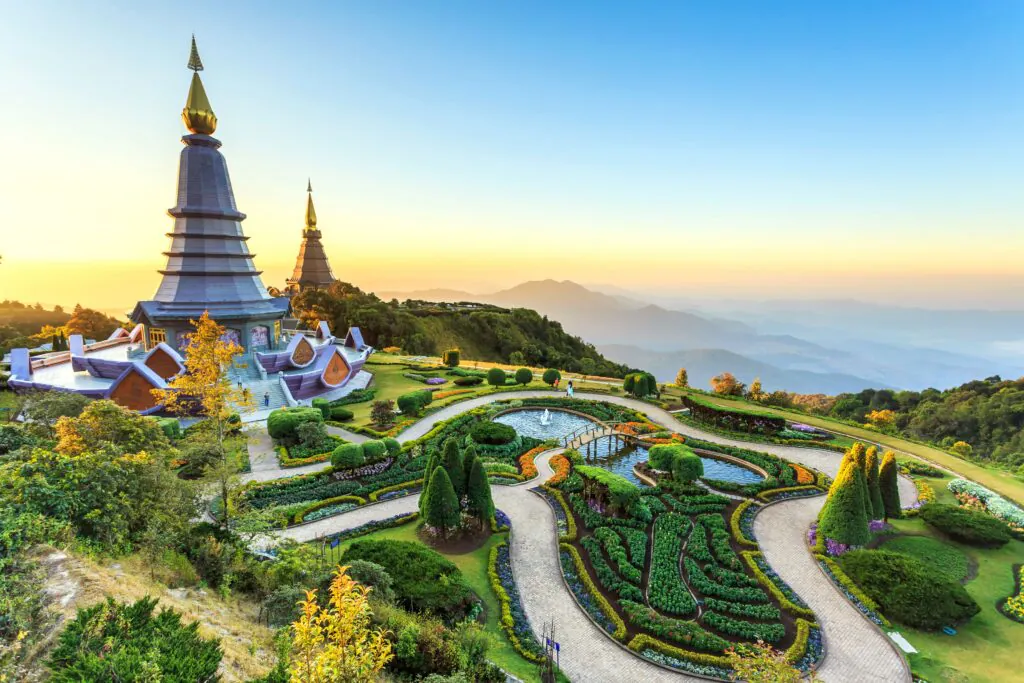
- The Twin Royal Pagodas: Phra Mahathat Naphamethanidon and Naphaphonphumisiri honor the late King Rama IX and Queen Sirikit. Surrounded by terraced flower gardens blooming with hydrangeas and roses, these pagodas offer sweeping mountain views that are best enjoyed during clear winter mornings.
- Waterfalls & Rice Terraces: During the rainy-to-early-cool season (July to October), Wachirathan Waterfall and Mae Klang Waterfall plunge down granite faces with immense power. Down at Ban Mae Klang Luang, the Karen hill tribe’s terraced rice paddies display brilliant green layers in August–September, turning golden for harvest by late October.
For a complete breakdown of what to wear for the mountain climate, read our Doi Inthanon Weather & What to Pack. When you are ready to book your mountain day out, the full-day One Day Tour Doi Inthanon National Park From Chiang Mai covers the summit, royal pagodas, Wachirathan falls, Karen coffee tasting, and round-trip transfers with lunch included. You can also explore our overview guide on Doi Inthanon National Park Tour for route details.
Best Time for… (Quick Picks)
- Cultural Festivals: November (Yi Peng & Loy Krathong lantern celebrations) and April (Songkran water festival).
- Clear Mountain Scenery & Photography: December to January for crisp, haze-free vistas across Doi Suthep and Doi Inthanon.
- Thunderous Waterfalls & Lush Nature: August to October, when monsoon rains fill the mountain rivers and waterfalls to full capacity.
- Budget Travel & Fewer Crowds: May to June and September to October, when hotel rates drop, and major temples are uncrowded.
- Family Trips with Kids or Seniors: November to February, offering pleasant walking weather and low humidity.
Packing by Season
Packing correctly for Chiang Mai depends on your travel month and whether your itinerary includes high-altitude mountain day trips:
- Cool Season (November–February): Pack breathable cotton clothes for daytime city walks, but bring a fleece, light hoodie, or jacket for chilly evenings and early mountain departures. If visiting Doi Inthanon summit, a warm jacket, closed-toe shoes, and a beanie are recommended.
- Hot Season (March–May): Lightweight, loose-fitting, sun-protective clothing, sunglasses, high-SPF sunscreen, and a hat. Bring waterproof dry bags if visiting during Songkran in mid-April.
- Rainy Season (June–October): Quick-dry fabrics, a lightweight packable rain jacket or poncho, and non-slip sandals or sturdy water-resistant walking shoes for slick waterfall paths.
- Year-Round Temple Dress Code: Modest attire is required at all sacred sites, including Wat Phra That Doi Suthep and the Royal Pagodas. Shoulders and knees must be covered for all visitors (no sleeveless tops, short shorts, or flip-flops).

FAQ
November is widely considered the single best month. It offers comfortable cool-season temperatures (19°C–30°C), minimal rain, lush green landscapes following the monsoon, and the world-famous Yi Peng Lantern Festival.
In the city center, December days are warm and pleasant (around 28°C), while nights drop to a cool 15°C, requiring a light jacket. However, up on mountain peaks like Doi Inthanon, early morning temperatures frequently dip down to 0°C–5°C with frost.
Yes! The rainy season (June to October) is ideal for travelers who enjoy quiet sights, lower hotel prices, and vibrant green scenery. Rain usually falls in short afternoon bursts rather than continuous all-day downpours, leaving waterfalls and rice terraces at their visual peak.
As of 2026, the Yi Peng Lantern Festival and Loy Krathong celebrations take place from November 23 to 25, with the main sky lantern releases occurring on the night of November 24.
Choosing Your Season in Chiang Mai
Chiang Mai rewards visitors throughout the year with its rich Lanna culture, historic temples, and accessible mountain wilderness. Whether you choose the crisp winter days of November to February, the lush waterfalls of the green season, or the high-energy celebrations of Songkran in April, planning around the local climate ensures a seamless northern Thai adventure.
Ready to see Chiang Mai’s most iconic mountain temple? Book the Doi Suthep Temple Tour with Hmong Village for a seamless 4-hour morning or afternoon experience. Enjoy hotel pickup in Chiang Mai town, expert commentary from a licensed guide, and comfortable transport straight to the golden chedi and Hmong hill tribe community.